

Pelvic Organ Prolapse Treatment in Richmond
A feeling of heaviness, dragging or a bulge in the vagina can be unsettling and is often a sign of pelvic organ prolapse. This is one of the conditions our women’s health specialist is most experienced in managing, including pessary fitting.
Modern research is changing how prolapse is understood, and there is far more that can be done than many women realise.
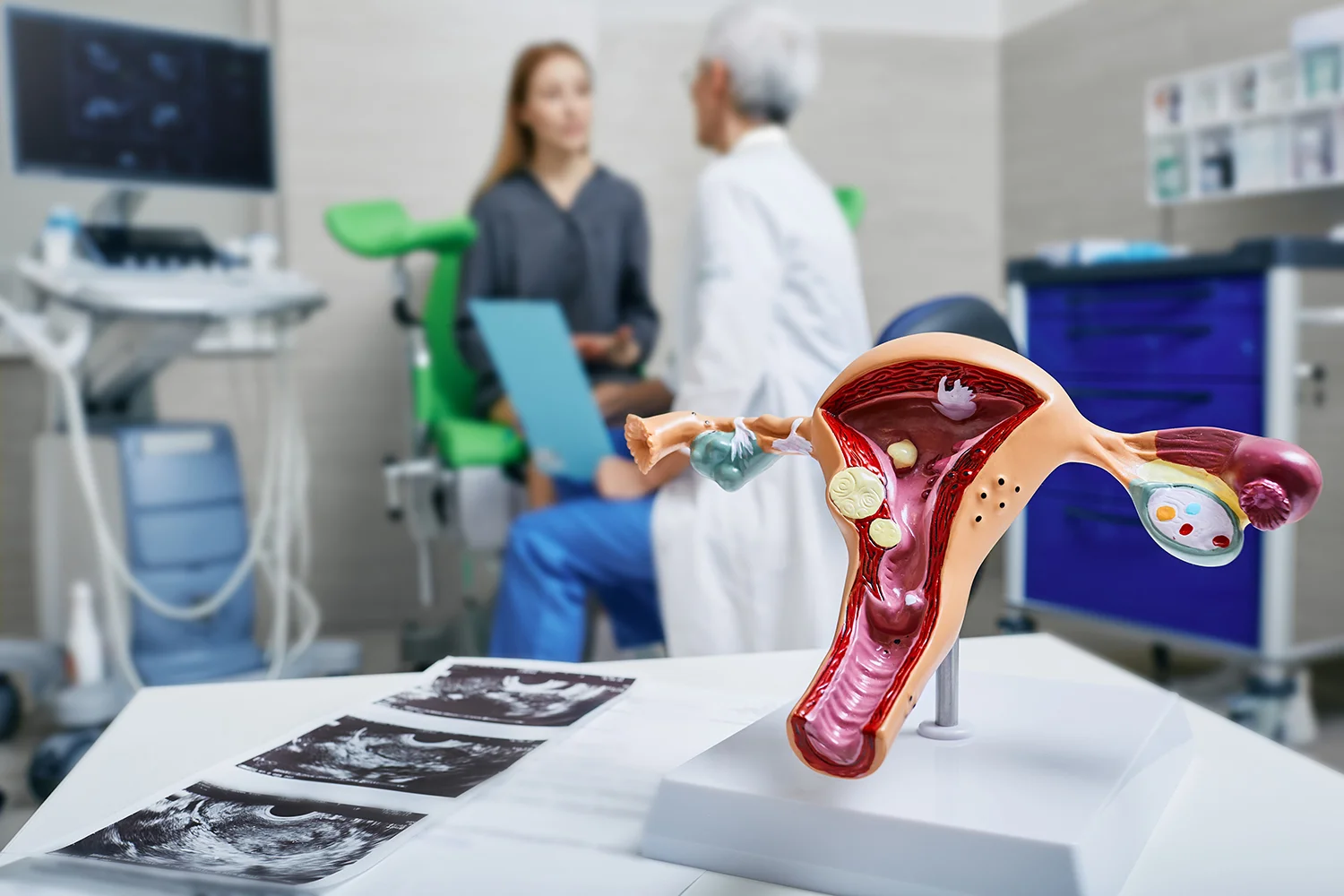
What Is Pelvic Organ Prolapse?
Pelvic organ prolapse occurs when the organs of the pelvis, such as the bladder, uterus, rectum or intestines, descend into or press against the vaginal walls. It commonly follows torn fascia after a straining injury, for example a vaginal birth or chronic constipation.
Fascia acts like internal scaffolding, holding the bladder, uterus and bowel in their proper place, and when it is damaged that support is lost.
Risk Factors
Several factors increase the likelihood of developing a prolapse:
- Vaginal childbirth, especially with a birth weight over 4kg.
- A prolonged active pushing phase in labour, with more than 30 minutes raising the risk.
- Ageing and menopause, due to lower oestrogen levels.
- Obesity, chronic coughing, chronic constipation and heavy lifting.
- Previous pelvic surgery, and a family history of prolapse or weak connective tissue.

Pessaries and Treatment
A pessary is a high-grade medical silicone device placed in the vagina to support organs that have descended, comparable to inserting a menstrual cup. Different shapes suit different needs, from a ring pessary for milder cases to a cube pessary that uses suction for more severe prolapse.
Breanna is qualified to fit these devices and advise on their use. Alongside this, we treat associated symptoms such as leakage or pelvic pain using pelvic floor muscle training, education and lifestyle advice. Encouragingly, new research suggests fascial injuries may be managed and potentially healed using pessaries.
Where to Find Us
Women travel to our Richmond clinic specifically for specialist prolapse care and pessary fitting. We are based at Lawton Gate House, 7 Hill Street, Richmond, TW9 1SX, a short walk from Richmond Station and easily reached from Twickenham, Kew, Sheen, Teddington, Kingston and Barnes.
Meet Our Women's Health Physiotherapist
Breanna Walker is our Women’s Health Specialist and is qualified to provide a pessary fitting service for pelvic organ prolapse.
For women who have sustained a prolapse from childbirth or persistent constipation, Breanna uses a high-grade silicone medical device to help return the pelvic organs toward their original position and reduce symptoms such as back pain, heaviness and bulging.
She has completed the Australian Physiotherapy Association Women’s Pelvic Health Level 1 to 3 courses and is a Chartered Physiotherapist registered with the HCPC (PH154328).