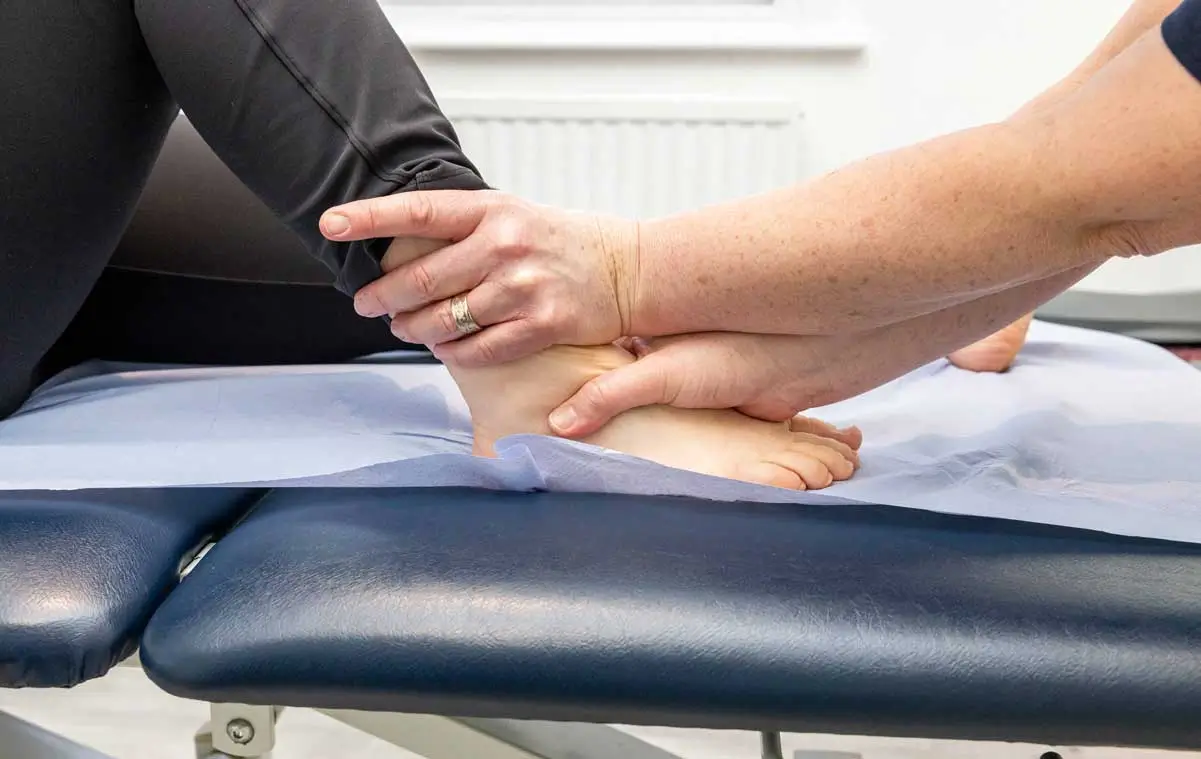

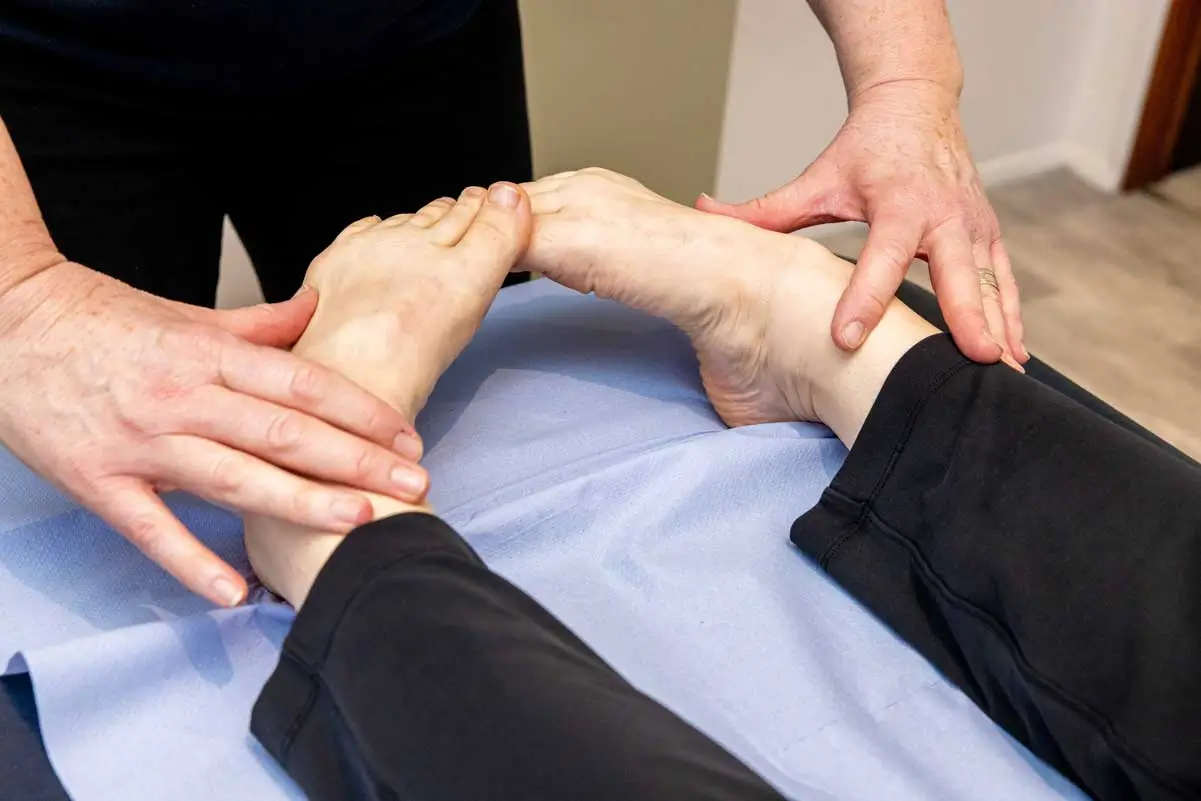
What is Foot & Ankle Pain
The foot and ankle are complex structures composed of numerous small bones, joints, and ligaments that must work in perfect harmony to support your entire body weight. When this harmony is disrupted, even simple activities like walking to Richmond Station or strolling through Richmond Park can become painful. At Richmond Physiotherapy, we provide a logical and detailed approach to diagnosing and treating lower limb dysfunction. Based at Richmond Clinic, our clinical team offers high-authority expertise in managing acute trauma and chronic overuse injuries, ensuring you receive the most effective foot and ankle pain treatment in Richmond.
Signs and Symptoms
Foot and ankle issues often manifest as localised pain that worsens with loading. You may benefit from our specialised intervention if you experience:
- Morning Heel Pain: Sharp, stabbing pain in the heel during your first steps of the day.
- Chronic Ankle Instability: A persistent feeling that your ankle might “give way” on uneven ground.
- Tendon Thickening: Visible swelling or a “lump” in the Achilles tendon at the back of the heel.
- Joint Line Tenderness: Pain specifically located around the “bony” parts of the ankle following a twist.
- Forefoot Numbness: Tingling or burning sensations in the ball of the foot or toes.
- Post-Activity Aching: Pain that intensifies after long periods of standing or walking.
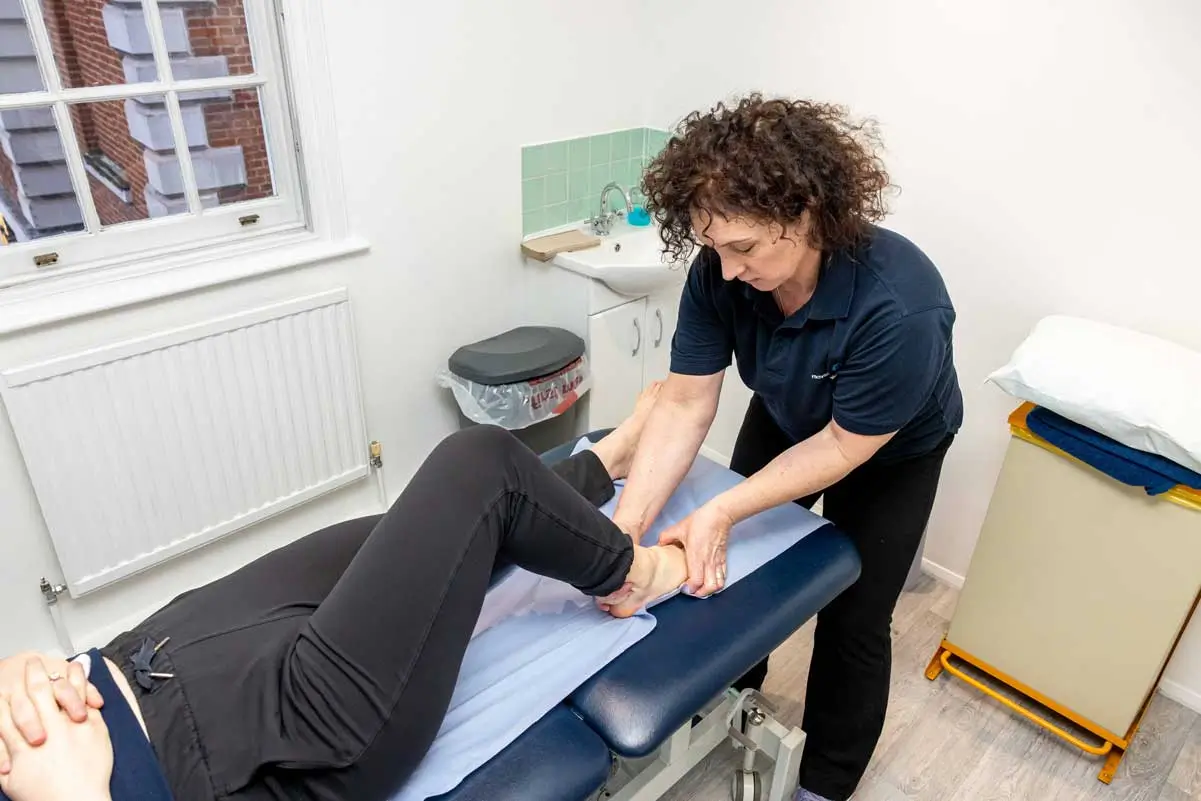
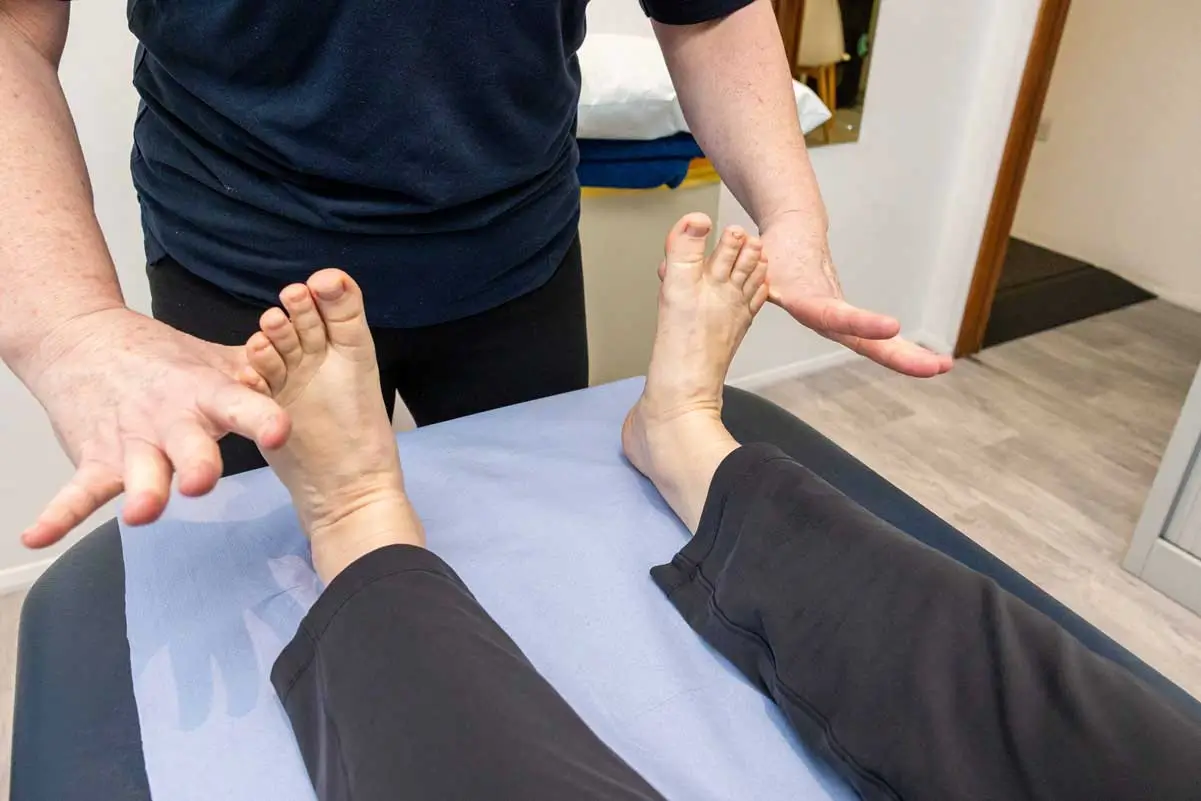
Evidence-Led Clinical Excellence
Our approach to foot and ankle health is strictly aligned with the latest clinical evidence and NICE guidelines. We prioritise evidence-led interventions such as eccentric loading programmes for Achilles tendinopathy and specific stretching protocols for plantar fasciitis. For those recovering from ligament ruptures or fractures, we adhere to strict weight-bearing milestones to ensure tissue safety. By integrating advanced treatments like Shockwave Therapy—which is NICE-approved for chronic tendon conditions—we ensure that every patient in Richmond receives care that is safe, effective, and grounded in modern research.
Who We Help
We support a broad range of individuals across Richmond and South West London seeking to restore their mobility:
- Richmond Park Runners: Managing shin splints, Achilles pain, and stress fractures.
- Post-Surgical Patients: Dedicated rehabilitation following bunion repairs or ankle ligament reconstructions.
- Commuters: Addressing foot strain caused by walking on hard city pavements.
- Seniors: Improving balance and joint mobility to prevent falls and maintain independence.
- Younger patients: Addressing a wide range of issues including Sever’s Disease and ankle injuries. Early diagnosis of conditions in younger athletes is essential for a safe and fast recovery.
- Sports Enthusiasts: Helping those with “turf toe,” lisfranc injuries, and lateral ligament sprains.
Our Richmond Clinic
Richmond Physiotherapy is located at Lawton Gate House, 7 Hill St, Richmond, TW9 1SX. Our clinic serves as a primary hub for lower limb care for residents in Twickenham, Kew, Sheen, and Teddington. Being situated just moments from Richmond Station, we are highly accessible for patients travelling from Kingston, Barnes, or Isleworth for urgent foot or ankle assessments. Whether you are navigating the shops on Hill Street or training for a local marathon, our centre is perfectly positioned to support your recovery.
Pricing & Insurance
We provide a transparent fee structure for all foot and ankle assessments. We are recognised by all major insurance providers, including Bupa, AXA, Aviva and Vitality. For these providers, we offer a seamless direct billing service. Private self-funding patients are also welcome, with appointments available for initial diagnostic consultations, custom brace fittings, and follow-up rehabilitation. Please contact our team at 020 8332 1132 to book your session.

FAQs
How long does it take for a sprained ankle to heal?
A minor sprain may resolve in 2 to 4 weeks, but significant ligament tears can take 6 to 12 weeks. Professional rehabilitation is vital to prevent chronic instability and recurrent sprains.
Can you help with plantar fasciitis?
Yes. We use a combination of manual therapy, specific loading exercises, and Shockwave Therapy, which is highly effective for chronic heel pain.
Do I need an X-ray for my foot pain?
Not always. We use the “Ottawa Ankle Rules” to determine if an X-ray is clinically necessary. If we suspect a fracture, we can provide a rapid referral for imaging.
What is the benefit of a custom brace?
As an official DonJoy centre, we fit braces that provide maximum stability to the joint without restricting the necessary range of movement for walking or sport.
Can orthotics help my foot pain?
In many cases, improving muscle strength and joint mobility is more effective than inserts. However, we can assess your biomechanics and advise if orthotic support would be beneficial.
What should I bring to my appointment?
It is very helpful to bring the shoes you wear most often (such as work shoes or running trainers) so your therapist can assess the wear patterns and support levels.
Glossary of Terms
- Plantar Fasciitis: Inflammation of the thick band of tissue that runs across the bottom of the foot.
- Achilles Tendinopathy: A condition that causes pain, swelling, and stiffness in the Achilles tendon.
- Eversion/Inversion: The movements of the foot tilting away from or toward the midline of the body.
- Proprioception: The body’s ability to sense the position of the joint; essential for preventing ankle sprains.