
What is Paediatric MSK Physiotherapy
Specialist physiotherapy to support babies, children and young people
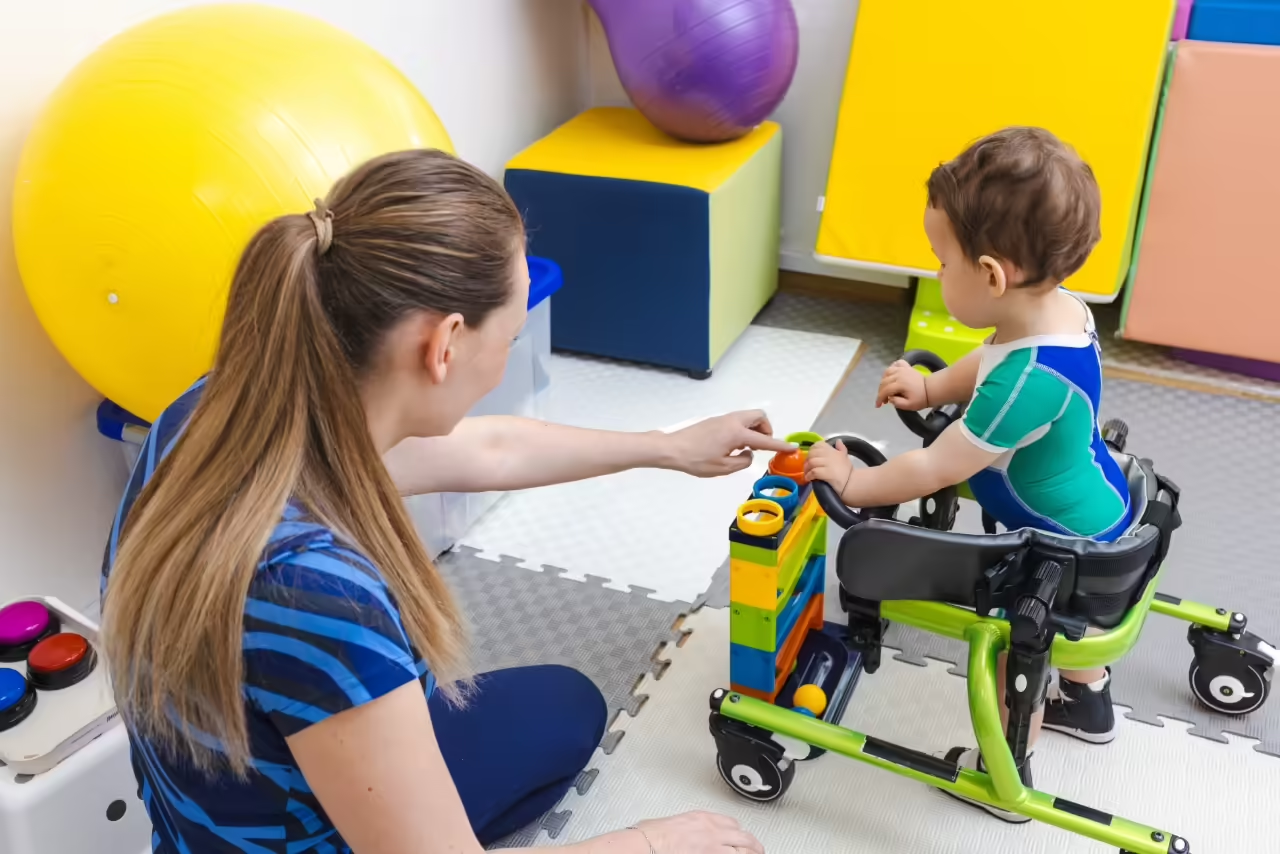
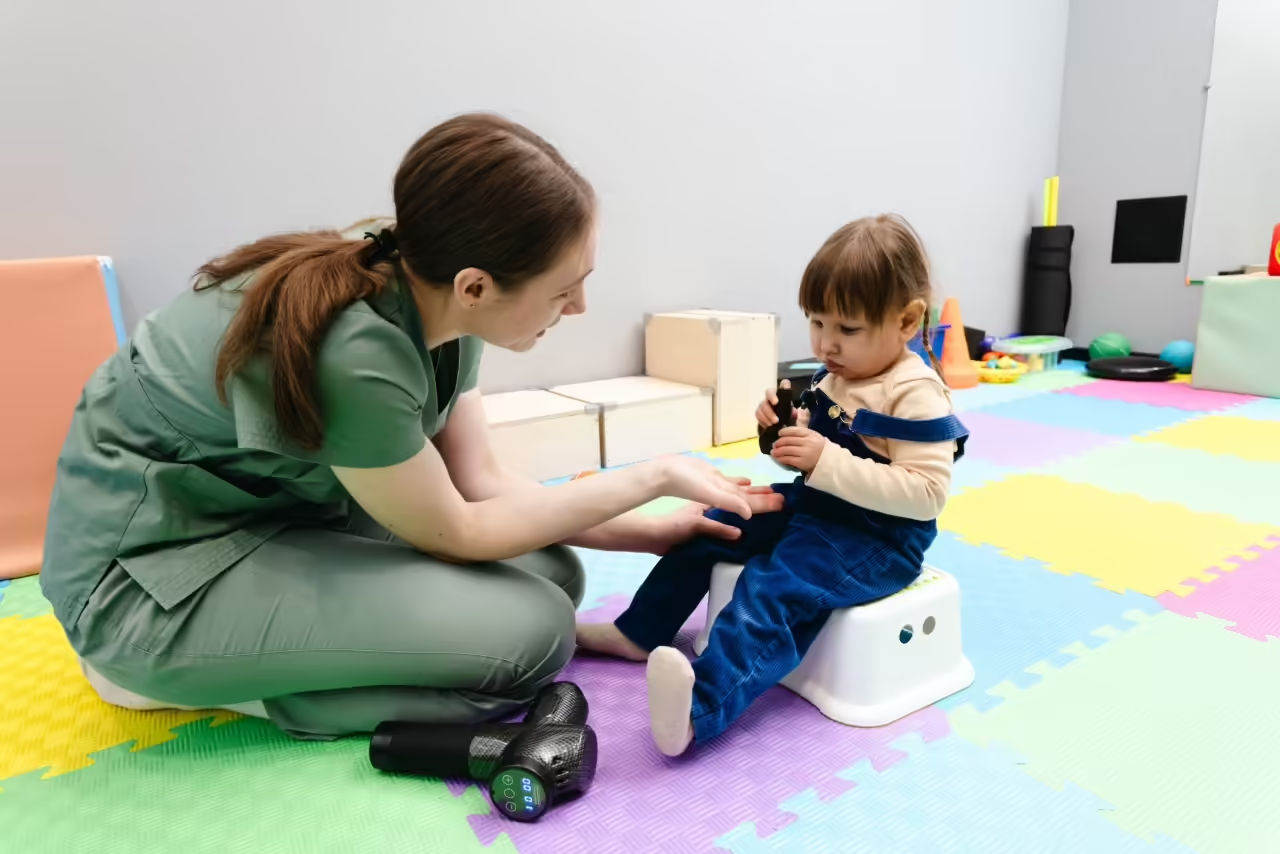
Paediatric physiotherapy focuses on helping children develop strength, movement, balance and confidence, so they can take part in everyday activities, play, sport and school comfortably.
At Richmond Physiotherapy, children are assessed and treated by a specialist paediatric physiotherapist using a gentle, evidence-based and family-centred approach. Treatment is always tailored to your child’s age, development, and individual goals.
Specialist Paediatric Care vs Standard Adult Physiotherapy
Feature
Standard General Care
Richmond Paediatric MSK Care
Assessment Focus
Mature tissue mechanics
Growth plate health and developmental stages
Communication
Direct patient instruction
Family-centred, age-appropriate play & coaching
Clinician Vetting
Standard professional registration
DBS-checked team with paediatric expertise
Rehab Style
Repetitive exercise sets
Fun, engaging, and movement-based instruction
Stakeholder Liaison
Work/Employer focus
School, PE staff, and coach coordination
Our Approach
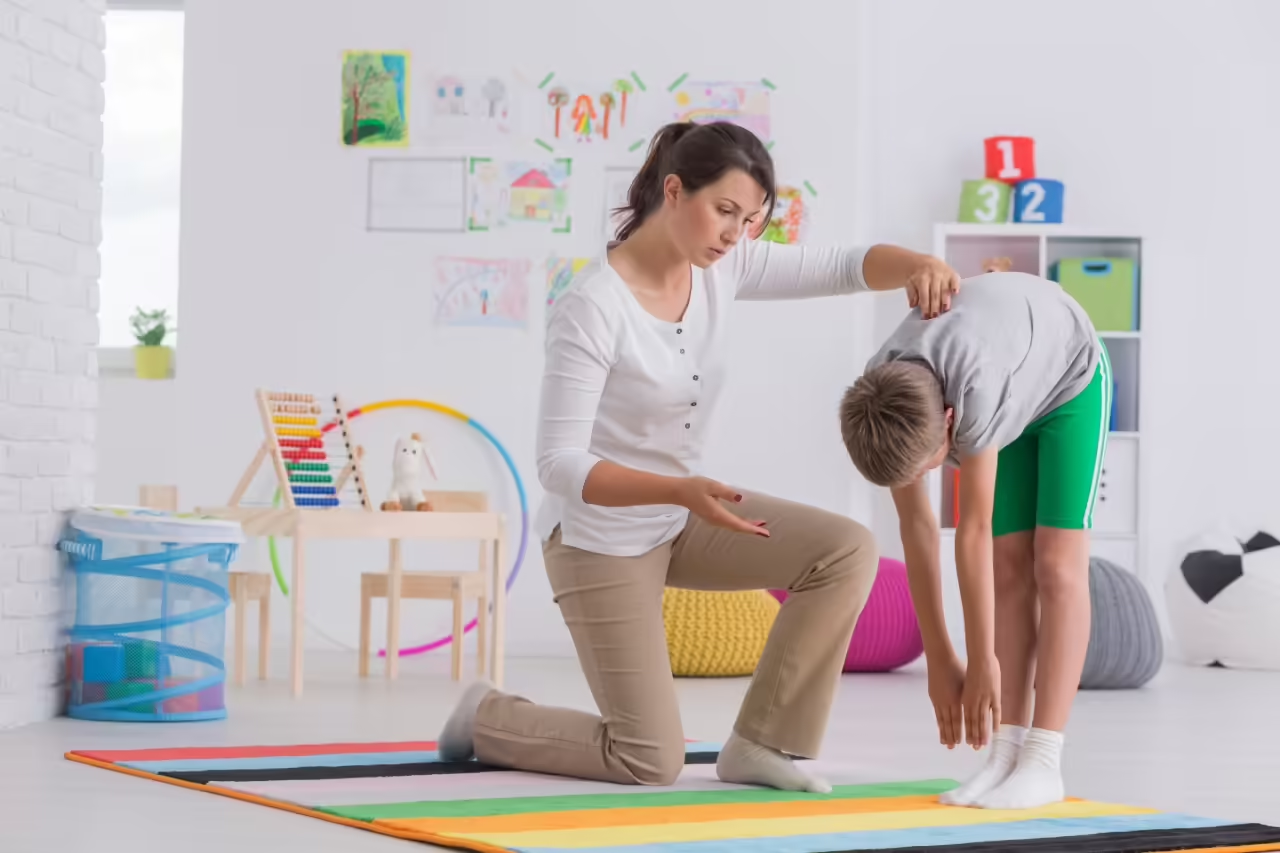
Our experienced physiotherapists specialise in working with children and young people, drawing on a holistic perspective that values both physical and psychological health. All members of our team are DBS checked and possess experience across a variety of sporting backgrounds, ranging from amateur participation to elite professional level.
We recognise that an injury can affect not just the child, but also their peer relationships, school experience, mental health, and family life. To address these challenges, we provide empathetic support and clear communication to both patients and their families. For example, we offer guidance on managing the emotional ups and downs of recovery, and we encourage open dialogue to ensure children feel heard and supported throughout their rehabilitation.
Our specialist knowledge in child development, movement, and common paediatric conditions enables us to deliver care that is both age-appropriate and effective. We work proactively with injury prevention teams across various sports to develop protocols that help protect young athletes, particularly as they encounter higher training demands in schools and clubs. Notably, with increasing opportunities for young female athletes, we focus on education and injury prevention to ensure safe participation in all activities.
Assessment Protocols
We are committed to thorough and supportive assessments for every child and adolescent.
All patients under the age of 16 must attend an initial assessment accompanied by a responsible adult. This session allows us to gain a full understanding of the injury and the child’s needs, after which we develop an individualised treatment plan.
For ongoing care, any patient under 13 must be accompanied by an adult at all sessions.
Those aged 13 and above may attend follow-up appointments independently, provided we have formal consent from the parent or guardian and agreement from the physiotherapist.
After each session, we communicate the treatment plan and exercise programme to parents or guardians, enabling ongoing discussion and involvement in the rehabilitation process.
Treatment Options
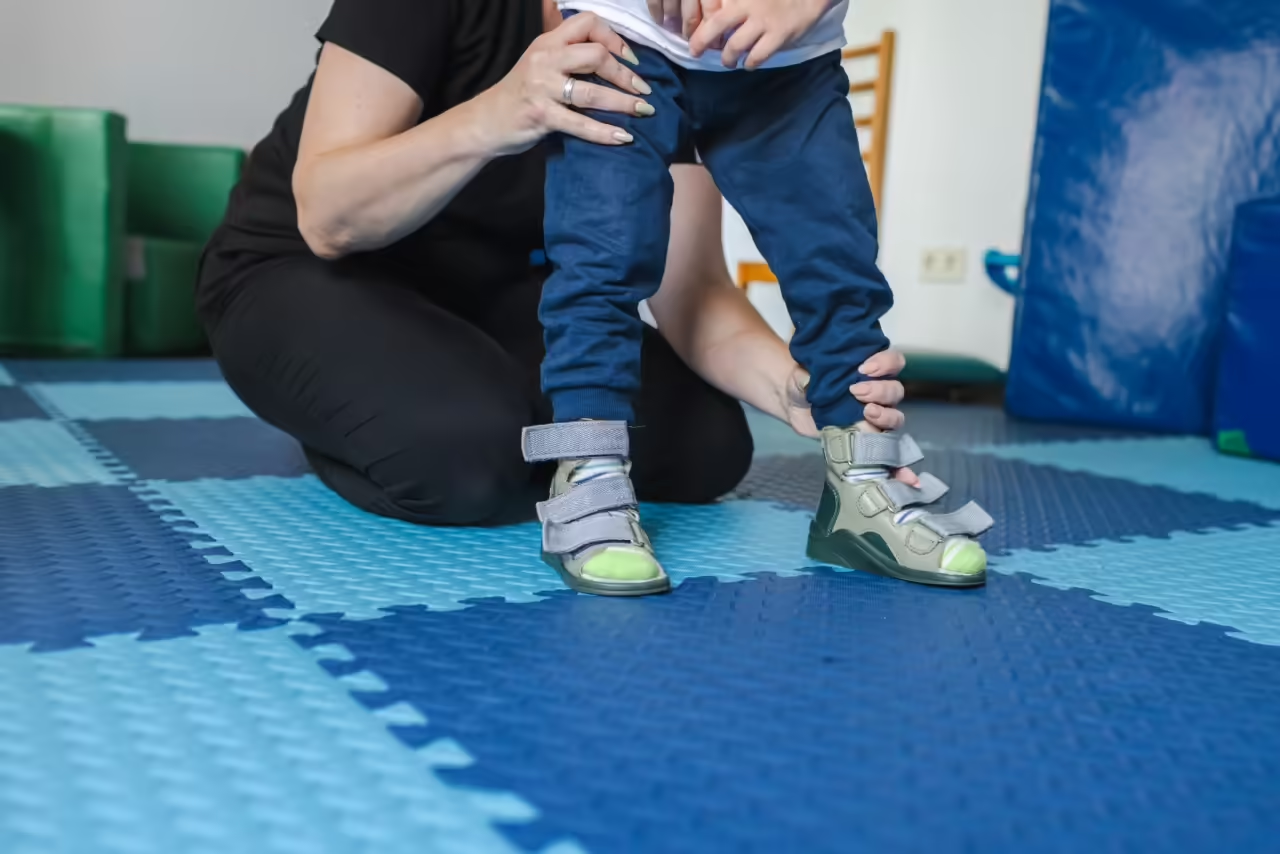
Our treatment plans are designed to address every aspect of a child’s recovery, with an emphasis on education and active participation. Options may include:
Education
Explaining the nature of the injury, expected healing times (which may differ from adults), and realistic expectations for recovery.
Mobilisation
Gentle movements to restore joint function and reduce stiffness.
Stretching
Passive or assisted stretches to improve flexibility and movement.
Specific Therapeutic Exercises
Age-appropriate exercises to promote strength and functional recovery.
Postural Education
Guidance on maintaining healthy posture during daily and sporting activities.
Strength and Conditioning Advice
Programmes tailored to support safe return to sport or activity.
Soft Tissue Techniques
Such as massage or myofascial release, to relieve tension and facilitate movement.
Who We See
We work with babies, children and young people (0–18 years) who may be experiencing movement difficulties, pain, or delays in physical development.
Parents may seek physiotherapy support if they are concerned about:
- Delayed milestones such as sitting, crawling or walking
- Balance, coordination, or frequent trips and falls
- Pain affecting sport, school, or daily activities
- Posture, walking patterns, or growth-related changes
Conditions We Treat
Developmental & Infant Conditions
- Gross motor developmental delays
- Balance difficulties and coordination challenges
- Tiptoe walking
- Torticollis
- Head shape and positional preference concerns (plagiocephaly)
- Screening for hip dysplasia (DDH)
- Fixed talipes
- Obstetric Brachial Plexus Palsy
Musculoskeletal & Pain Conditions
- Fractures, muscle strains and ligament sprains
- Hypermobility Spectrum Disorder with pain or functional difficulties
- Rheumatological conditions affecting movement
Back & Neck
- Back pain (postural, growth-related, scoliosis-related, spondylosis)
- Neck pain (postural, muscle imbalance, torticollis-related)
Lower Limb
- Knee pain, including Osgood-Schlatter disease and traction apophysitis
- Hip pain, including post-operative rehabilitation and screening for SUFE and Perthes
- Ankle and foot pain, including ankle sprains and tarsal pain
What to Expect from an Appointment
Your child’s physiotherapy appointment will include:
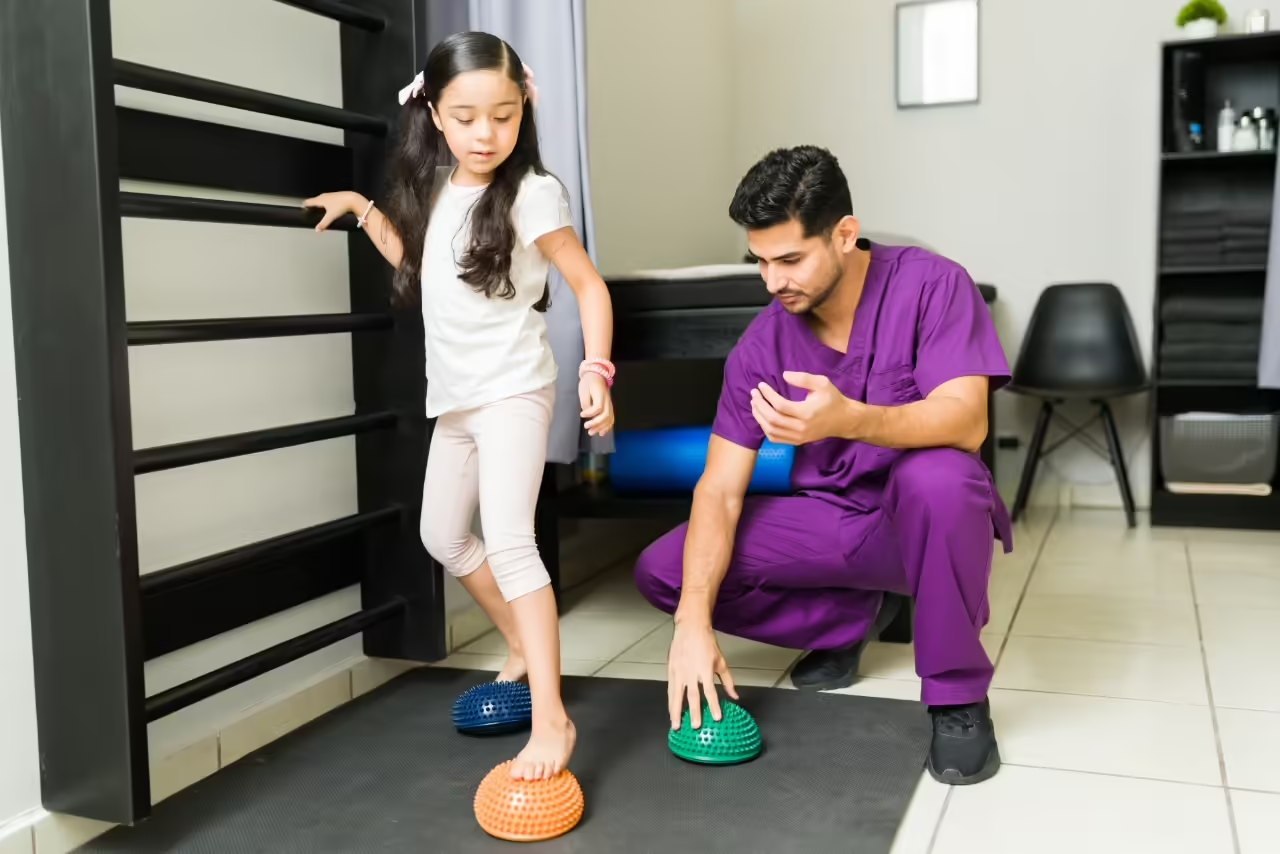
- A thorough assessment of movement, posture, strength and coordination
- Discussion of your concerns and goals
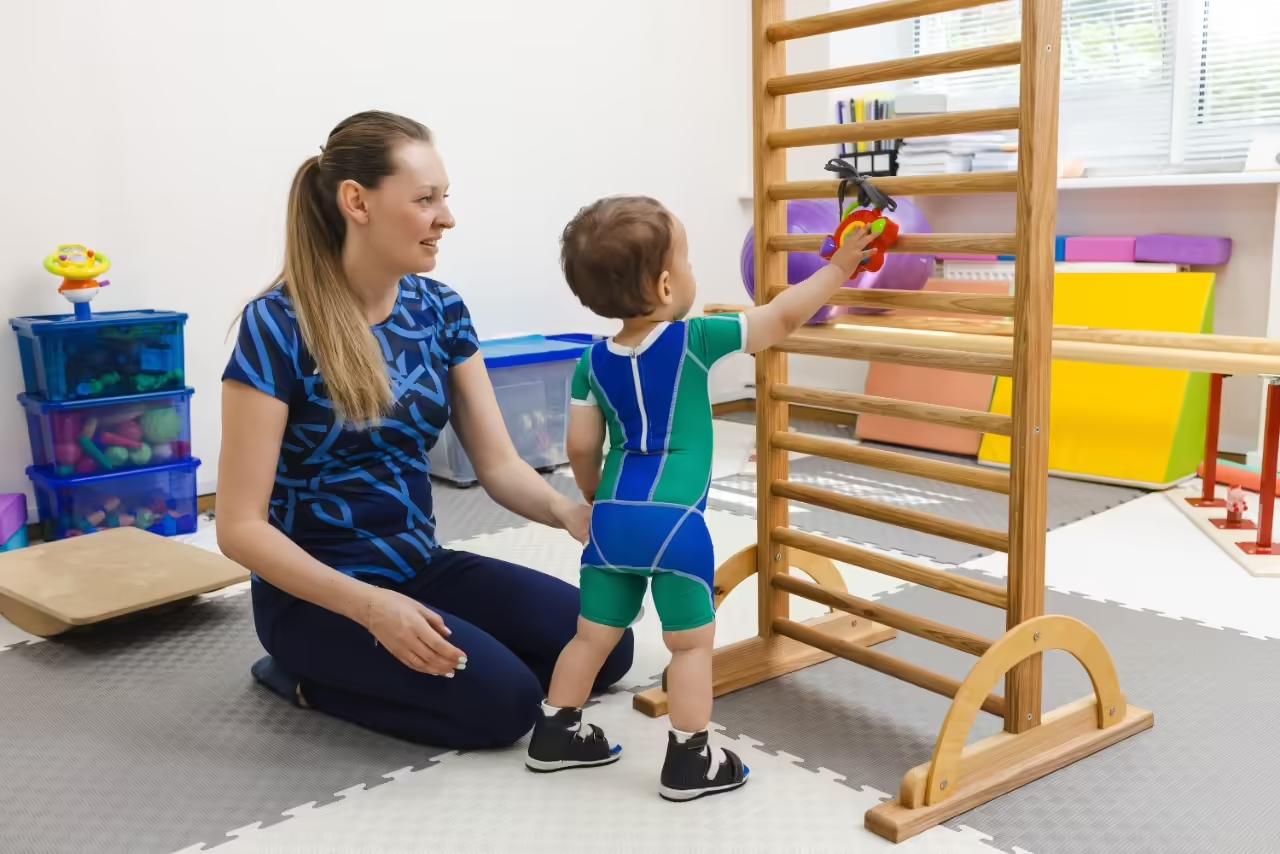
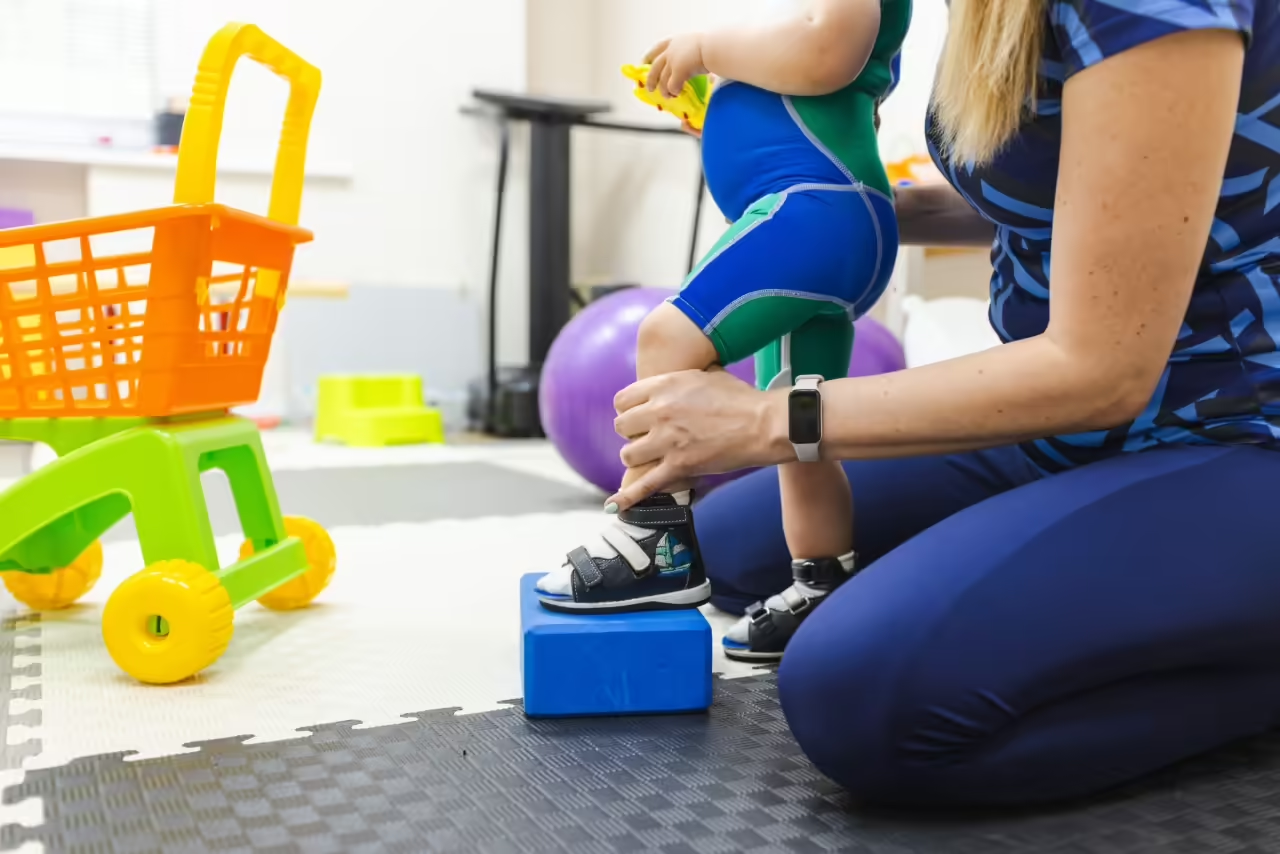
- An individualised treatment plan, often using play-based or functional activities
- Advice and exercises to support progress at home
Appointments are typically 45–60 minutes, allowing time for assessment, treatment and parent education.
Collaborative Care
We believe that the best outcomes are achieved through collaborative, multidisciplinary care. Our physiotherapists regularly liaise with consultants and sports injury doctors who have expertise in paediatric and adolescent care. For example, following a complex knee injury, we may coordinate with a consultant orthopaedic surgeon and a sports physician to tailor a rehabilitation plan that aligns with the child’s growth and specific sporting goals. This joint approach ensures that each patient benefits from the combined knowledge of specialists, creating a seamless and comprehensive care pathway.
Support Strategies
We are sensitive to the emotional, social, and family impacts of injury. To provide holistic support, we employ several strategies, such as:
- Involving families in every stage of rehabilitation, from initial assessment to discharge.
- Offering regular updates and opportunities for questions, ensuring parents and guardians feel informed and reassured.
- Communicating with children in an accessible, encouraging manner, using play and positive reinforcement to maintain motivation.
- Providing resources and signposting to mental health or family support services when challenges arise.
Return to Activities
We guide each child’s return to activities and sport with safety as our top priority. Our team makes personalised recommendations and, where appropriate, liaises with teaching staff to facilitate a smooth transition back to physical education and extracurricular activities. We are committed to balancing optimal recovery with a positive, inclusive experience for every patient.
Our Richmond Clinic
Richmond Physiotherapy is located at Lawton Gate House, 7 Hill St, Richmond, TW9 1SX. We are a central destination for paediatric MSK care for families in Twickenham, Kew, Sheen, and Teddington. Our clinic is situated just moments from Richmond Station, making us highly accessible for parents travelling from Kingston, Barnes, or Isleworth. Whether your child attends a local school in St Margarets or plays for a sports club in Brentford, our Hill Street centre is perfectly positioned to support their physical journey.

FAQs
Does my child need to be accompanied to sessions?
Yes, all children under 16 must be accompanied by a responsible adult for the initial assessment. For follow-up care, children under 13 must always be accompanied. Those aged 13 to 15 may attend independently only with formal parental consent and therapist agreement.
How is paediatric physio different from adult physio?
We use play and age-appropriate fun to encourage movement. We also focus heavily on growth plates and developmental milestones, as injuries in children often require different management strategies than those in adults.
Can you speak to my child's school about their injury?
Absolutely. With your permission, we can liaise with teaching staff and PE departments to facilitate a smooth transition back to physical education and extracurricular activities.
What should my child wear to the appointment?
We recommend comfortable clothing such as shorts and a t-shirt, along with supportive footwear like trainers, to allow for a full movement and gait assessment.
How long will the recovery take?
Children often heal faster than adults, but certain growth-related conditions require careful long-term management. We will provide a logical and detailed recovery timeline during the initial consultation.
Do you treat "tech-neck" in teenagers?
Yes, we provide postural education and specific exercises to address discomfort caused by prolonged laptop or phone use, which is increasingly common in adolescents.
Glossary of Terms
- Paediatric: Relating to the medical care of infants, children, and adolescents.
- MSK: Musculoskeletal, involving the muscles, bones, tendons, and ligaments.
- DBS: Disclosure and Barring Service, a check to ensure the safety of those working with children.
- Growth Plate: Developing tissue near the ends of long bones in children and adolescents