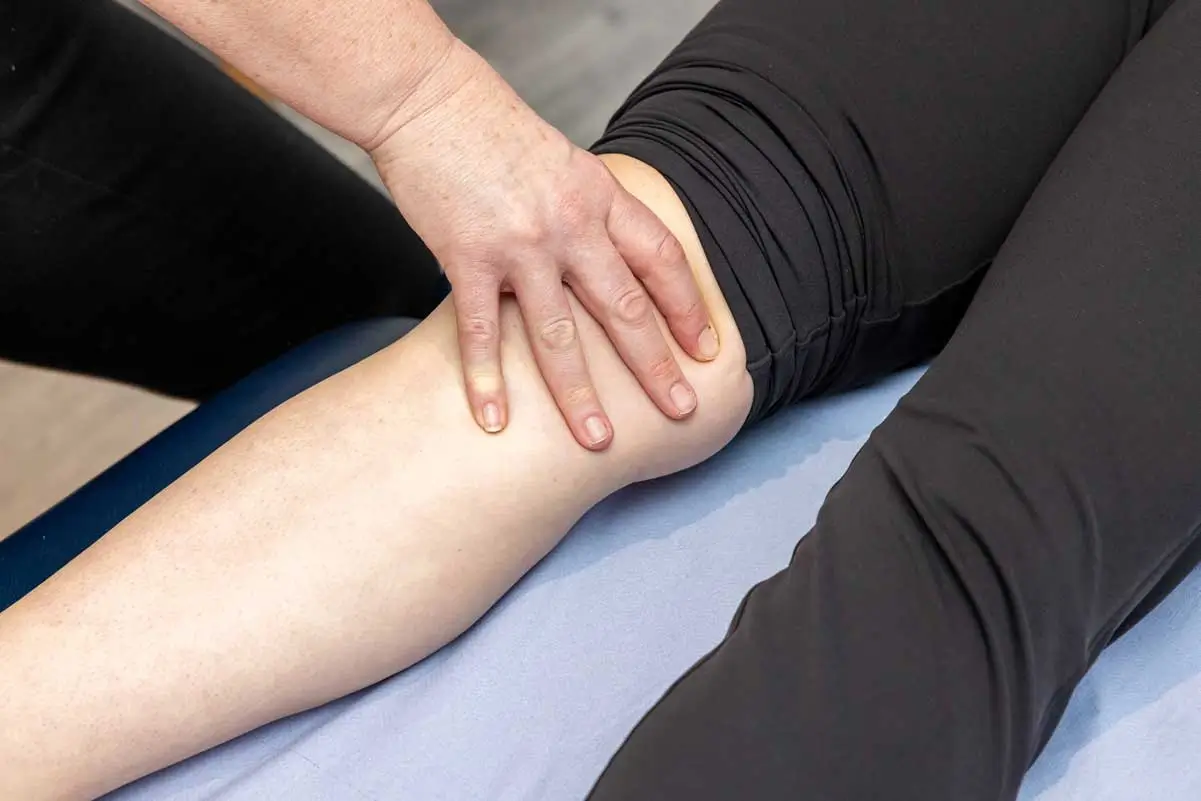
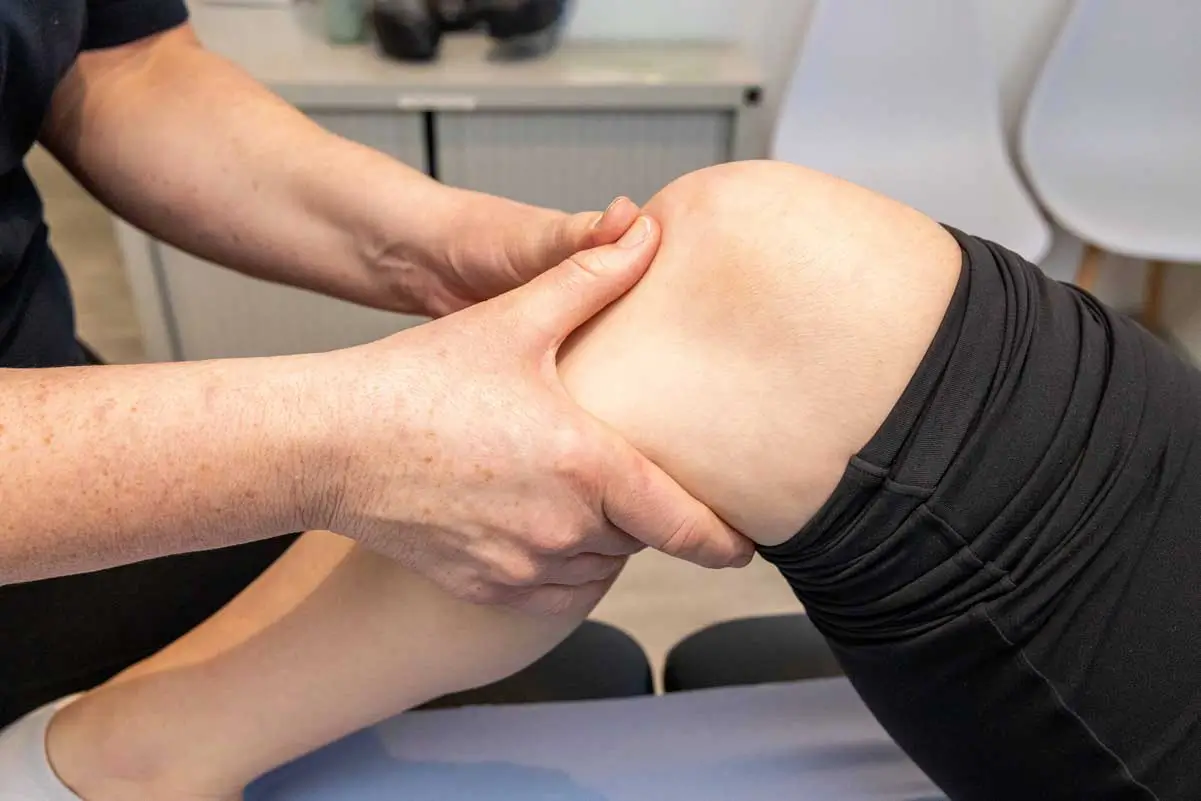
What is Knee Pain
Knee pain can significantly limit your quality of life, whether it prevents you from running in Richmond Park or simply makes climbing stairs at Richmond Station a challenge. At Richmond Physiotherapy, we provide a logical and detailed approach to diagnosing and treating knee dysfunction. We move beyond simple symptom management to address the underlying biomechanics of the joint. Based at Richmond Clinic, our clinical team offers high-authority expertise in managing everything from acute sports trauma to long-term degenerative conditions, ensuring you receive the most effective knee pain treatment in Richmond.
Signs and Symptoms
Knee issues often present with a combination of mechanical and inflammatory symptoms. You may benefit from our specialised intervention if you experience:
- Joint Instability: A sensation of the knee “giving way” or feeling untrustworthy.
- Mechanical Locking: Inability to fully straighten or bend the knee, often linked to meniscal issues.
- Persistent Swelling: “Water on the knee” that limits range of motion.
- Sharp Joint Line Pain: Discomfort specifically located along the inner or outer edge of the knee.
- Anterior Aching: Pain behind or around the kneecap (Patellofemoral pain).
- Night Pain: A deep ache in the joint that interferes with sleep, often associated with osteoarthritis.
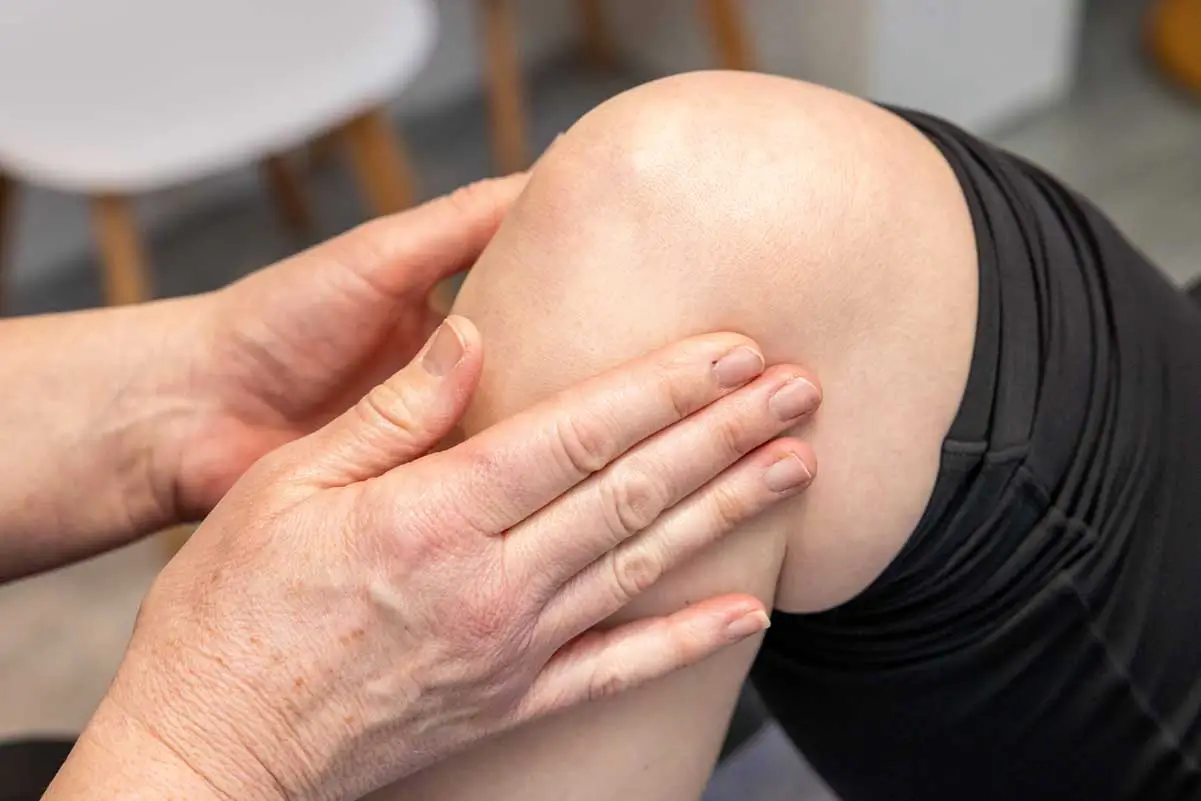
Evidence-Led Clinical Excellence
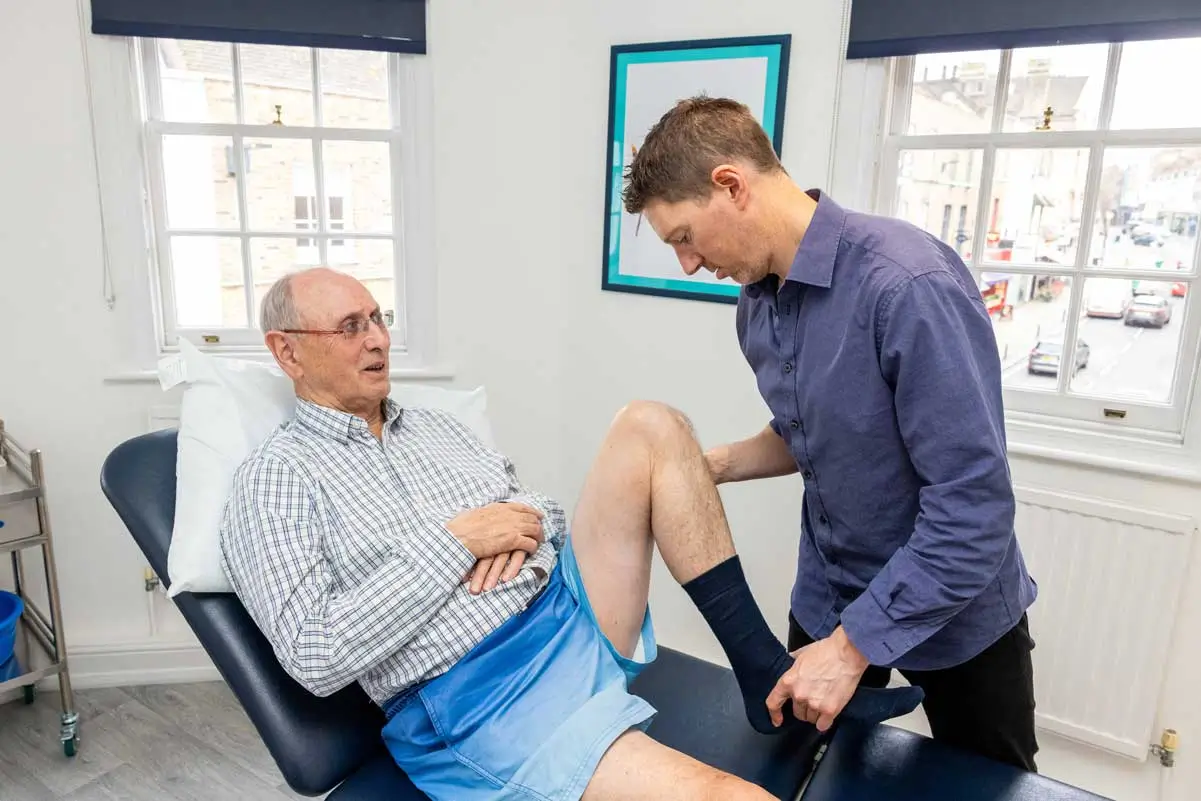
Our approach to knee health is strictly aligned with the latest clinical evidence and orthopaedic protocols. We follow high-authority guidelines that emphasise progressive loading for ligamentous injuries (like ACL or MCL tears) and structured strength training for patellofemoral pain. For those managing wear and tear, we adhere to evidence-led management for osteoarthritis, focusing on maintaining joint play and muscle support. By integrating advanced technology like VALD testing, we ensure that every patient in Richmond receives care that is safe, effective, and objectively measured.
Who We Help
We support a broad range of individuals across Richmond and South West London seeking to restore their mobility:
- Sports Enthusiasts: Managing runners knee, jumpers knee, and acute ligament sprains.
- Post-Surgical Patients: Dedicated rehabilitation following ACL reconstruction or knee replacement.
- Active Seniors: Helping individuals manage osteoarthritis to stay mobile and independent.
- Youth Athletes: Addressing growth-related knee issues like Osgood-Schlatter disease. Early diagnosis of conditions in younger athletes is essential for a fast and safe recovery.
- Manual Professionals: Assisting those whose jobs involve significant kneeling or heavy lifting.
Our Richmond Clinic
Richmond Physiotherapy is located at Lawton Gate House, 7 Hill St, Richmond, TW9 1SX. Our clinic serves as a primary hub for lower limb care for residents in Twickenham, Kew, Sheen, and Teddington. Being situated just moments from Richmond Station, we are highly accessible for patients travelling from Kingston, Barnes, or Isleworth for urgent knee pain treatment. Whether you are an athlete training in Richmond Park or a local resident looking for specialist care near St Margarets or Brentford, our Hill Street centre is perfectly positioned to support your recovery.
Pricing & Insurance
We provide a transparent fee structure for all knee assessments and treatments. We are recognised by all major insurance providers, including Bupa, AXA, Aviva and Vitality. For these providers, we offer a seamless direct billing service. Private self-funding patients are also welcome, with appointments available for initial diagnostic consultations and follow-up rehabilitation sessions. Please contact our team at 020 8332 1132 to book your session.

FAQs
How many sessions will I need for my knee pain?
Every injury is unique. Minor soft tissue strains may improve in 4 to 6 sessions, while post-operative ligament reconstructions or long-term strength deficits may require a structured programme over several months.
Do I need an MRI scan for my knee?
Not always. A thorough physical examination can often identify the source of the problem. If we suspect a significant tear or require further clarity, we can provide a rapid referral for an MRI or diagnostic ultrasound.
Can you help with knee arthritis?
Yes. While we cannot reverse arthritis, we can significantly improve your function and reduce pain by strengthening the supporting muscles and improving joint mobility.
What is VALD strength testing?
This is specialised equipment we use to objectively measure your leg strength. It helps us identify muscle imbalances and ensures you are strong enough to safely return to running or sport.
Is it safe to exercise if my knee clicks?
Often, yes. Clicking without pain is usually harmless. However, if the clicking is associated with pain, swelling, or locking, a specialist assessment is essential to rule out meniscal or cartilage issues.
What should I wear to my appointment?
Please wear or bring a pair of shorts. This allows your physiotherapist to clearly see your knee joint and assess your muscle function during the physical examination.
Glossary of Terms
- ACL: Anterior Cruciate Ligament; a major ligament responsible for knee stability.
- Meniscus: The C-shaped cartilage that acts as a shock absorber between the thigh and shin bone.
- Patellofemoral Pain: Pain at the front of the knee involving the kneecap and the groove it sits in.
- Proprioception: The body’s ability to sense the position and movement of the joint, vital for balance.