

What is Imaging Referral
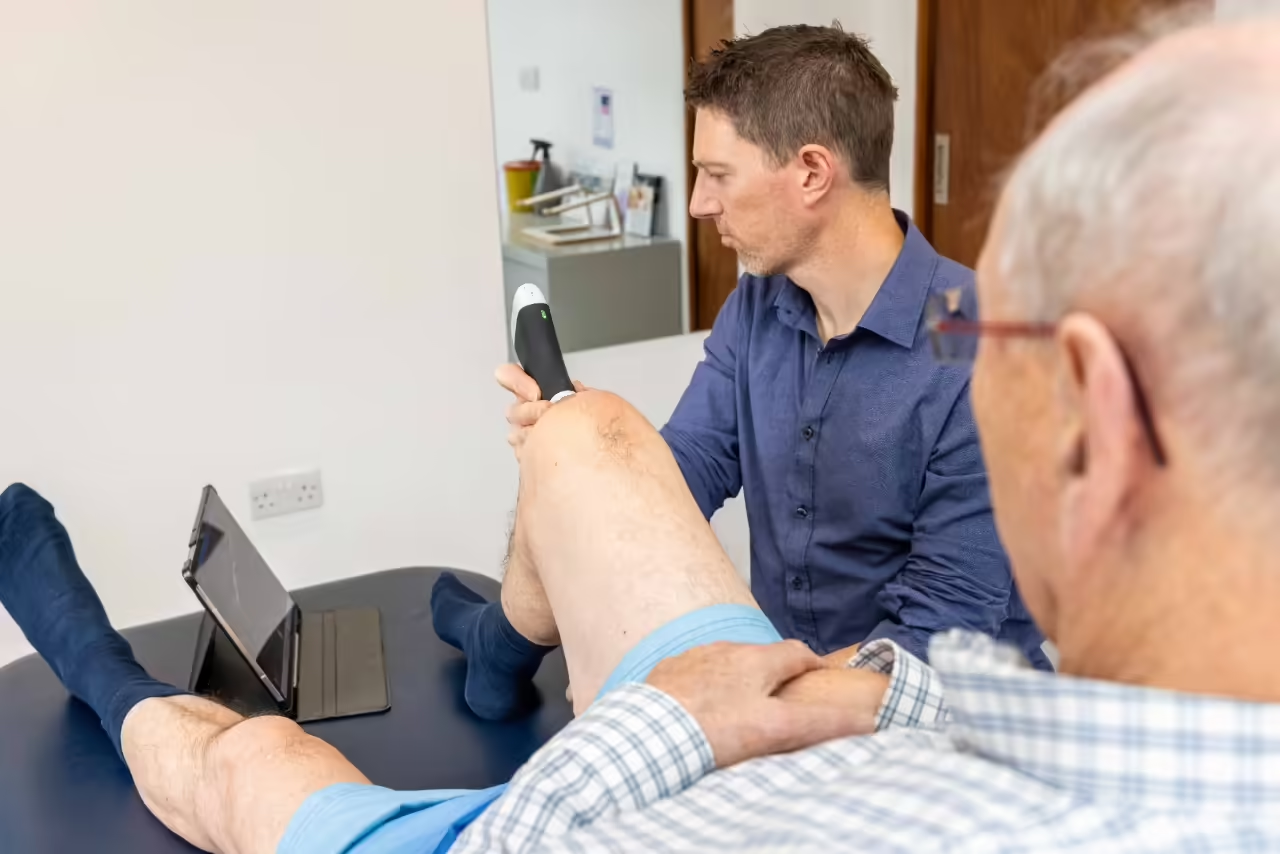
An accurate diagnosis is the essential foundation of any successful recovery. While many musculoskeletal injuries can be diagnosed through a comprehensive physical examination, there are instances where deeper clinical insight is required. At Richmond Physiotherapy, we provide a logical and detailed pathway for patients requiring advanced diagnostics. Following a thorough assessment of your injury, our highly experienced physiotherapists may recommend that you undergo an X-ray, MRI, or ultrasound scan to further aid your diagnosis. Based at Richmond Clinic, we ensure that your transition from clinical assessment to diagnostic imaging is seamless and professional.
Specialist Clinical Referral vs Self-Requested Scans
Feature
Self-Referral / Generic Request
Richmond Physiotherapy Specialist Referral
Clinical Justification
Often missing or vague
Based on a thorough physical examination
Accuracy
Risk of scanning the wrong area
Precise targeting of the suspected pathology
Speed
Variable wait times
Rapid access to trusted London scanning units
Interpretation
Standalone report
Integrated into a bespoke treatment plan
Quality Control
Unknown facility standards
Referral to vetted, high-standard imaging centres
Who We Help
We support a broad range of individuals across Richmond and South West London who require diagnostic clarity:
Acute Sports Patients
Needing rapid MRI scans for suspected ACL or meniscal injuries sustained in Richmond Park.
Chronic Back Pain Sufferers
Requiring imaging to correlate physical symptoms with spinal anatomy.
Post-Traumatic Injury Patients
Needing X-rays to rule out bony injury after a fall or collision.
Insured Patients
Navigating the complex requirements of health insurance providers for specialist scans.
Complex Case Patients
Individuals seeking a second opinion who require updated imaging to confirm a diagnosis.
Evidence-Led Diagnostic Pathways
Our referral process is strictly aligned with modern clinical guidelines to ensure that imaging is only requested when it is safe and purposeful. We recognise that over-imaging can sometimes lead to unnecessary concern, which is why our physiotherapists use their decades of combined experience to determine the exact type of scan required. By following high-authority diagnostic frameworks, we ensure you are referred to trusted scanning units in the London area that meet the highest medical standards. This ensures you receive timely and accurate diagnostic imaging, helping us tailor your treatment plan to your specific needs.
When Further Diagnostic Imaging is Warranted
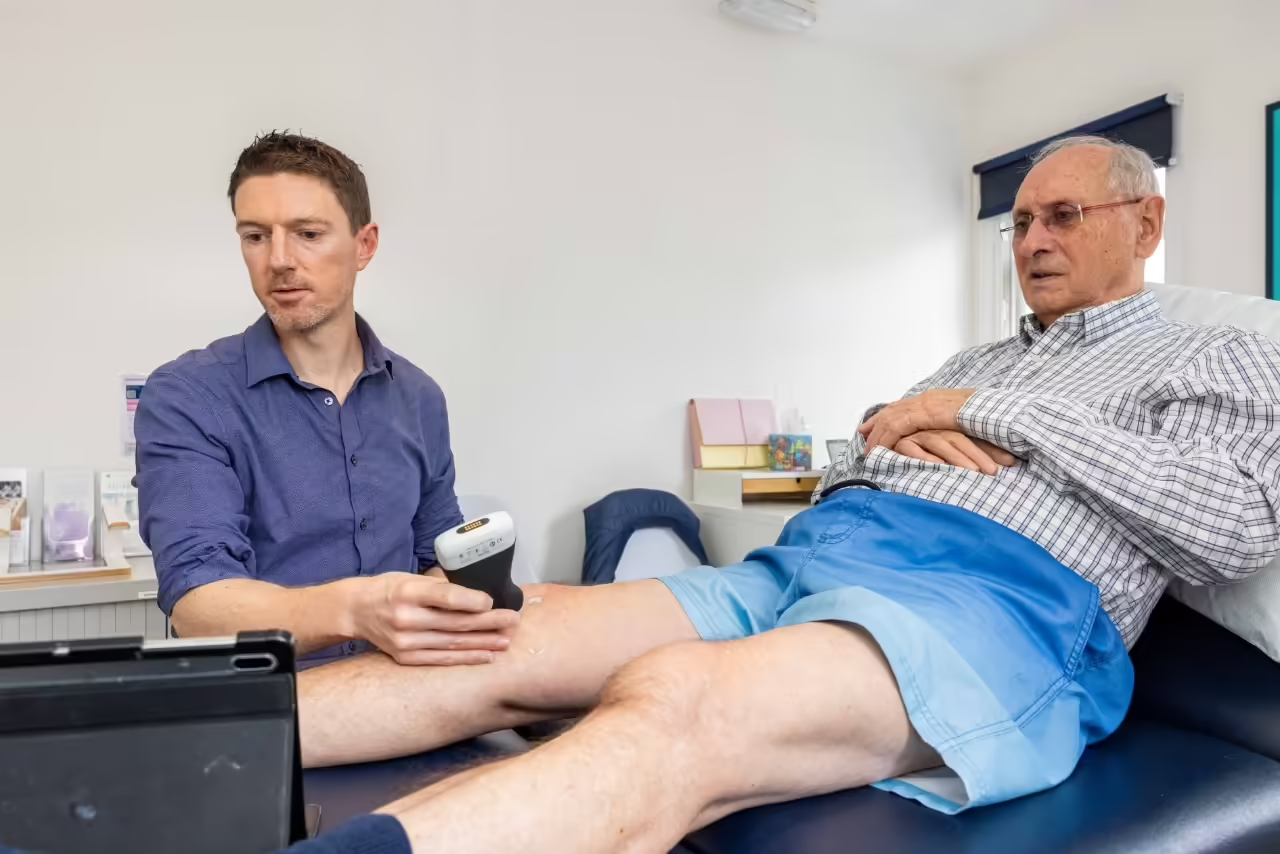
While not every injury requires a scan, specific clinical indicators may suggest that an imaging referral in Richmond is necessary to progress your care. These include:
Failure to Progress
An injury that is not responding to evidence-led treatment as expected.
Severe Trauma
Suspicion of a fracture, high-grade ligament tear, or tendon rupture following an accident.
Neurological Symptoms
Persistent numbness, tingling, or significant muscle weakness.
Unexplained Night Pain
Deep, aching pain that prevents sleep and requires further investigation.
Surgical Planning
When an operation is being considered and the surgeon requires a detailed anatomical map.
Unclear Clinical Picture
When physical tests are inconclusive and definitive imaging is required to rule out specific pathologies.
Our Richmond Clinic
Richmond Physiotherapy is located at Lawton Gate House, 7 Hill St, Richmond, TW9 1SX. Our clinic serves as a primary hub for diagnostic coordination for residents in Twickenham, Kew, Sheen, and Putney. Being situated just moments from Richmond Station, our facility is exceptionally convenient for patients travelling from Kingston, Barnes, or Isleworth for their initial assessment. Once a referral is made, we utilise our network of trusted imaging centres across South West London and Central London, ensuring that your diagnostic journey is as straightforward and reassuring as possible.
Pricing & Insurance
We provide comprehensive support through the referral process for both self-funding and insured patients.
- Self-Funders: We can provide you with a referral to competitive private imaging centres with transparent pricing.
- Insured Patients: If you are covered by health insurance (such as Bupa, AXA, Vitality or Aviva), we recommend that you liaise with them regarding their specific procedures. Your physiotherapist can assist with recommendations, but the process and choice of facility may be controlled by your insurer’s systems.
Our team is here to support you through the paperwork and clinical justification required to make the process as straightforward as possible.
FAQs
Can I book a scan without seeing a physiotherapist first?
At our clinic, a scan is only recommended following a thorough physical assessment. This ensures that the scan is clinically justified and that the radiologist knows exactly what to look for.
What is the difference between an MRI and an X-ray?
An X-ray is primarily used to look at bones and detect fractures. An MRI (Magnetic Resonance Imaging) is superior for looking at soft tissues such as ligaments, tendons, and spinal discs.
How quickly can I get a scan?
Through our private referral network in London, we can often arrange for patients to have an MRI or ultrasound scan within 24 to 48 hours of their physiotherapy assessment.
Will my physiotherapist explain the results to me?
Yes. Once we receive the radiologist’s report and the images, your physiotherapist will sit down with you to explain the findings and, most importantly, how they relate to your treatment plan.
Do I have to go to a specific hospital for my scan?
We refer to several trusted units across London. If you are self-funding, you can choose based on location or price. If you are insured, your provider will usually specify a list of approved facilities.
Is an ultrasound scan better than an MRI?
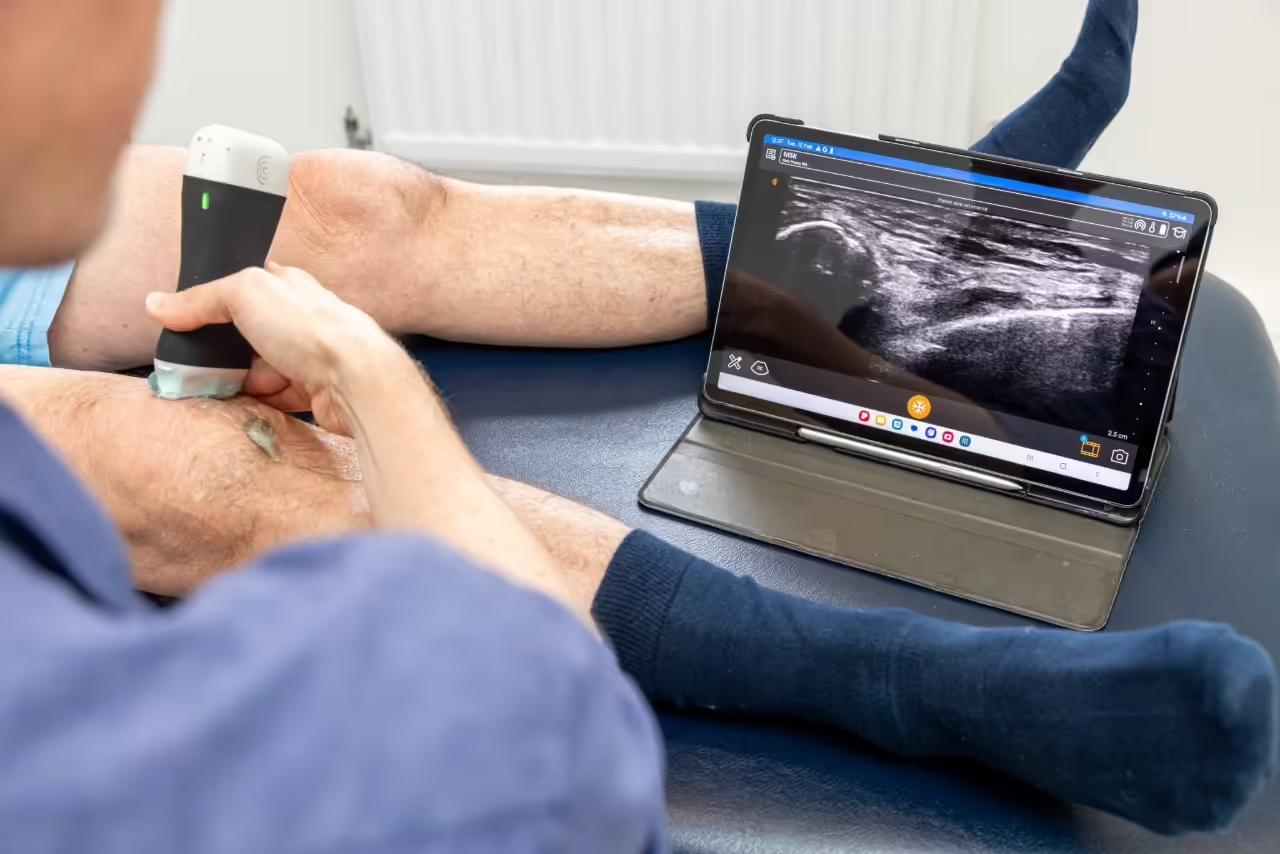
For certain structures, like tendons in the shoulder or ankle, an ultrasound can be excellent because it allows for “dynamic” imaging where we can see the tissue moving in real time.
Glossary of Terms
- MRI: Magnetic Resonance Imaging; uses strong magnetic fields to create detailed images of organs and tissues.
- Radiologist: A medical doctor who specialises in interpreting diagnostic images.
- Clinical Justification: The medical reasoning behind why a specific test or scan is necessary for a patient.