
What is General Physiotherapy
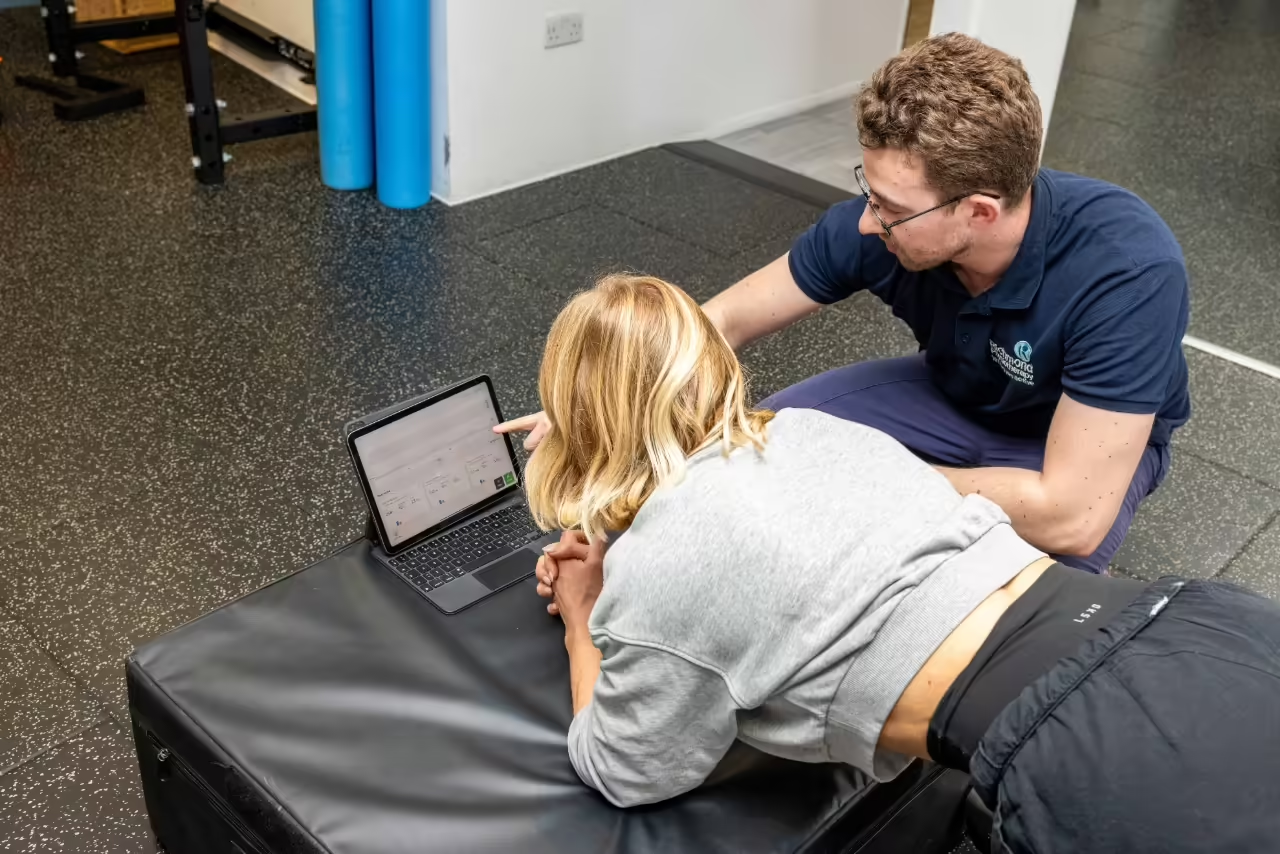
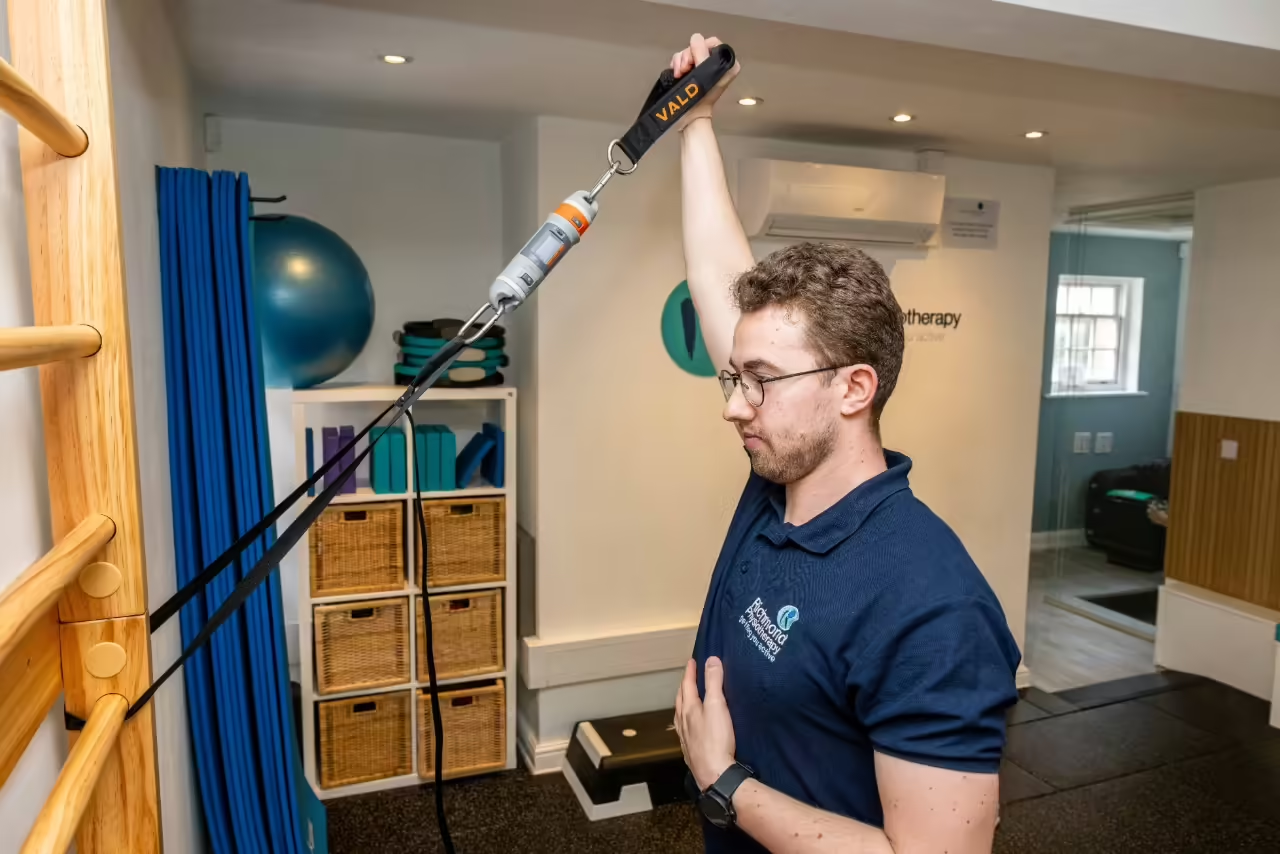
Functional movement is a central element in what it means to be healthy. At Richmond Physiotherapy, our clinicians work in partnership with their patients to develop, maintain, and restore maximum movement and functional ability throughout life. Whether movement and function are threatened by aging, injury, disease, or environmental factors, our role is to provide a logical and detailed pathway to recovery. We conduct an accurate physical examination with a view to formulating a personalised plan of treatment and predicting specific outcomes that matter to you.
Specialist Physiotherapy vs Generic Management
Feature
General Physical Therapy
Richmond Physiotherapy Specialist Care
Assessment
Basic visual check
Detailed history and accurate physical examination
Manual Therapy
Generic massage
Maitland Manual Therapy and MACP standards
Clinical Expertise
Junior generalists
Decades of combined specialist experience
Rehabilitation
Simple home sheets
Sports Therapy Assisted Rehabilitation (STAR)
Rehabilitation
Generic loading
Age-appropriate, safe developmental loading
Insurance
Variable acceptance
Recognised by Bupa, AXA, and Aviva
Signs and Symptoms
Musculoskeletal issues can manifest in diverse ways, impacting your ability to enjoy the local parks or maintain your professional routine. You may benefit from our specialised input in Richmond if you experience any of the following:
Persistent Spinal Pain
ncluding back pain, neck pain, sciatica, and cervicogenic headaches.
Shoulder Dysfunction
Such as shoulder impingement, rotator cuff injuries, or dislocations.
Lower Limb Overload
Runners knee, shin splints, Achilles tendinopathy, or plantar fasciitis.
Joint Instability
Knee ligament injuries (ACL, MCL, PCL), ankle sprains, or meniscal tears.
Post-Operative Recovery Needs
Following joint replacements, wrist fractures, or bunion surgery.
Specialised Health Concerns
Balance problems, dizziness, TMJ (jaw) issues, or pregnancy-related back pain.
Evidence-Led Clinical Excellence
Our practice is strictly aligned with the latest NICE guidelines to ensure every intervention is grounded in clinical data. We utilise advanced treatment methods, including Maitland manual therapy and MACP-standard techniques, alongside sports massage and structured rehabilitation. By adhering to these high-authority frameworks, our physiotherapists provide a safe and professional environment where progress is monitored and treatment is adjusted according to evidence-led results.
Who We Help
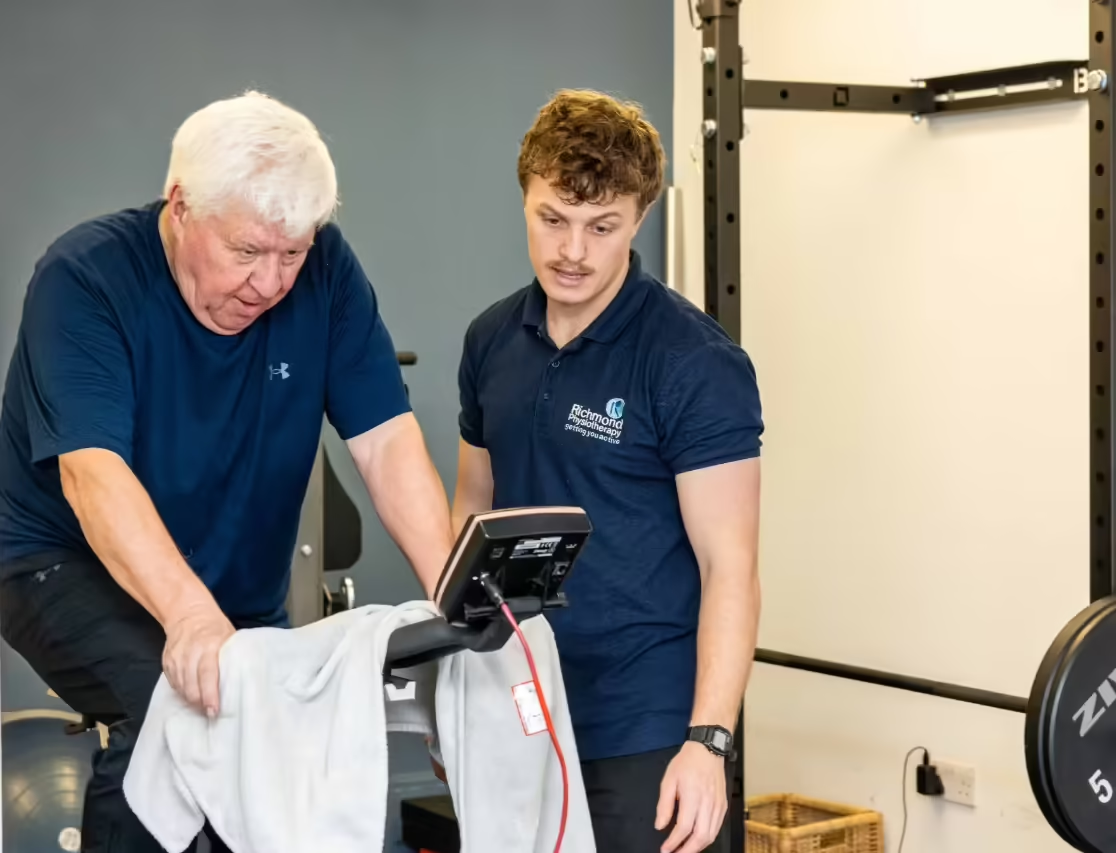
We support a broad range of individuals across Richmond and the surrounding London boroughs:
Athletes and Weekend Warriors:
Managing everything from calf tears to bone stress injuries and turf toe.
Post-Surgical Patients
Guided rehabilitation for hip, knee, or shoulder replacements and ligament repairs.
Women’s Health Patients
Specialised care for pregnancy-related issues and comprehensive postnatal checks.
Vestibular Patients
Those suffering from dizziness or balance disturbances requiring specialist retraining.
Local Professionals
Addressing the physical toll of office-based work on the neck, back, and wrists.
Our Specialist Team
Our clinical leadership ensures the highest standards of care. Stephen Perchard, Co-Director and Chartered Physiotherapist, brings 22 years of experience with a Master’s in Clinical Physiotherapy. He is joined by Co-Director Pippa Rollitt, who has 34 years of clinical expertise. Our diverse team includes specialists such as Hannah Jones, who focuses on Vestibular and TMJ physiotherapy, and Breanna Walker, our Women’s Health specialist. With decades of combined experience, our team provides a high-authority clinical resource for the Richmond community.
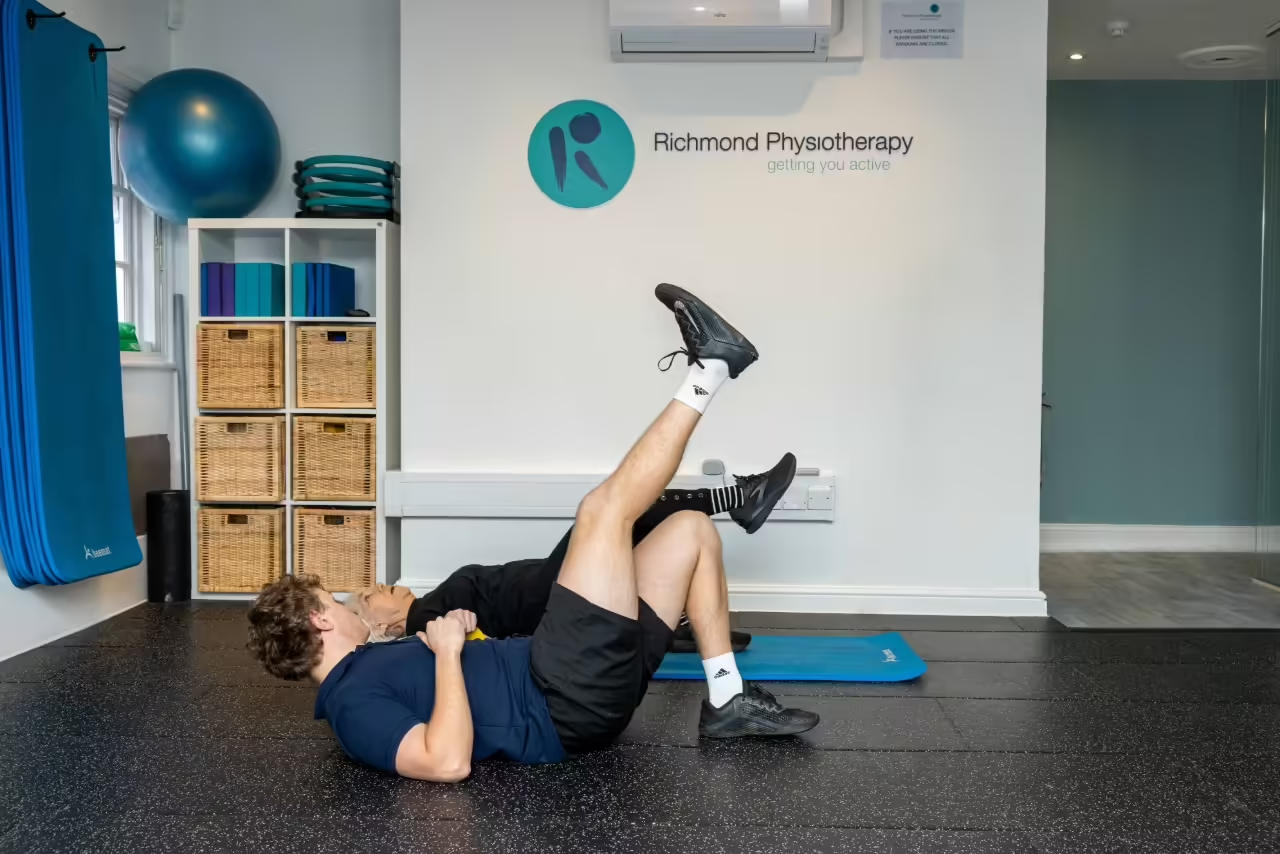
Our Richmond Clinic
Richmond Physiotherapy is located at Lawton Gate House, 7 Hill St, Richmond, TW9 1SX. We are a central destination for residents in Twickenham, Kew, Sheen, and Putney. Our clinic is conveniently situated near Richmond Station, making it easily accessible for those travelling from Kingston, Isleworth, or Teddington. Whether you are heading to Richmond Park for a run or commuting from Brentford, St Margarets, or Barnes, our Hill Street centre is perfectly positioned to support your physical health.
Pricing & Insurance
We provide a transparent fee structure for all paediatric and adolescent assessments. We are recognised by all major insurance providers, including Bupa, AXA, Vitality and Aviva. For these providers, we offer a seamless direct billing service. We understand that adolescent recovery often involves coordination with external parties; our team is dedicated to providing the necessary support to make the process straightforward for families. Please contact us at 020 8332 1132 to book an assessment.
FAQs
What should I bring to my first physiotherapy appointment?
Please bring any relevant scan results or medical reports. It is also helpful to wear comfortable clothing that allows our therapists to easily examine the affected area.
Do you offer direct billing for Bupa and AXA?
Yes, we are registered providers for both Bupa and AXA. We can handle the billing process directly with your insurer once you provide your membership and authorisation numbers.
How many sessions of physiotherapy will I need?
This depends entirely on your specific condition and history. After your initial physical examination, your therapist will provide a logical and detailed plan with predicted outcomes.
Can you help with jaw pain or dizziness?
Absolutely. We have specialist therapists, such as Hannah Jones, who are highly trained in managing TMJ dysfunction, vestibular issues, and balance problems
Is manual therapy suitable for post-operative patients?
Manual therapy is often a critical part of post-operative recovery, but the techniques used are carefully chosen to align with surgical protocols and NICE guidelines.
Glossary of Terms
- MSK: Musculoskeletal: relating to the muscles, bones, and joints.
- Maitland Manual Therapy: A specialised approach to joint and spinal mobilisation.
- TMJ: Temporomandibular Joint: the joint connecting your jaw to your skull.
- Proprioception: The body’s ability to sense its position and movement.