

What is Vestibular Therapy
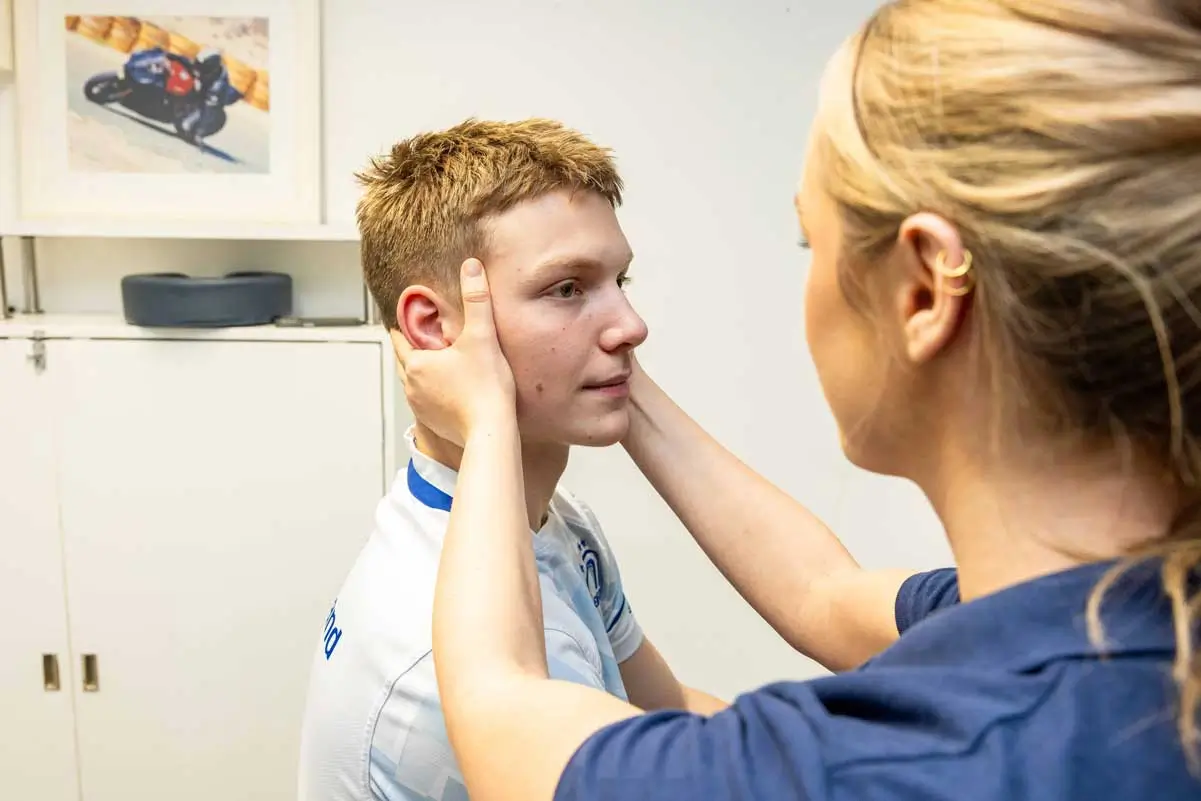
Maintaining balance is more complex than it seems, as it relies on seamless communication between your brain, inner ear, eyes, joints, and muscles. When this intricate system is disrupted, it can result in unpleasant and debilitating symptoms that significantly impact your quality of life. At Richmond Physiotherapy, we offer specialist vestibular therapy, a highly targeted form of rehabilitation designed to assess and treat balance problems. Whether your symptoms are recent or have been affecting you for a while, our logical and detailed approach helps you work toward greater stability and control.
Specialist Vestibular Care vs Generalist Management
Feature
General Physiotherapy
Richmond Specialist Vestibular Care
Assessment Focus
General muscle and joint check
Eye movement, vestibular reflex, and gait analysis
Diagnostic Depth
Visual inspection
Specific positional testing (e.g., Dix-Hallpike)
Clinician Expertise
Generalist practitioner
Specifically trained Vestibular Physiotherapist
Treatment Method
Generic stretching
Canalith repositioning & vestibular compensation
Equipment
Standard gym tools
Targeted balance and visual stabilising tools
Recognising the Signs of Vestibular Dysfunction
Vestibular dysfunction can manifest as a variety of disorientating sensations. You may benefit from our specialised vestibular therapy in Richmond if you experience any of the following:
- Vertigo: A distinct sensation of spinning or moving when you are actually still.
- Imbalance: General unsteadiness or a persistent feeling of being “off-balance.”
- Visual Disturbance: Difficulty stabilising your vision when moving your head.
- Motion Sensitivity: Feeling nauseous or dizzy during travel or in busy environments.
- Disorientation: Sensations of “brain fog” or being disconnected from your surroundings.
- Falls Risk: Frequent stumbles or near-falls during daily activities.
Recognising the Signs of Vestibular Dysfunction
Vestibular dysfunction can manifest as a variety of disorientating sensations. You may benefit from our specialised vestibular therapy in Richmond if you experience any of the following:
Vertigo
A distinct sensation of spinning or moving when you are actually still.
Imbalance
General unsteadiness or a persistent feeling of being “off-balance.”
Visual Disturbance
Difficulty stabilising your vision when moving your head.
Motion Sensitivity
Feeling nauseous or dizzy during travel or in busy environments.
Disorientation:
Sensations of “brain fog” or being disconnected from your surroundings.
Falls Risk
Frequent stumbles or near-falls during daily activities.
Evidence-Led Rehabilitation
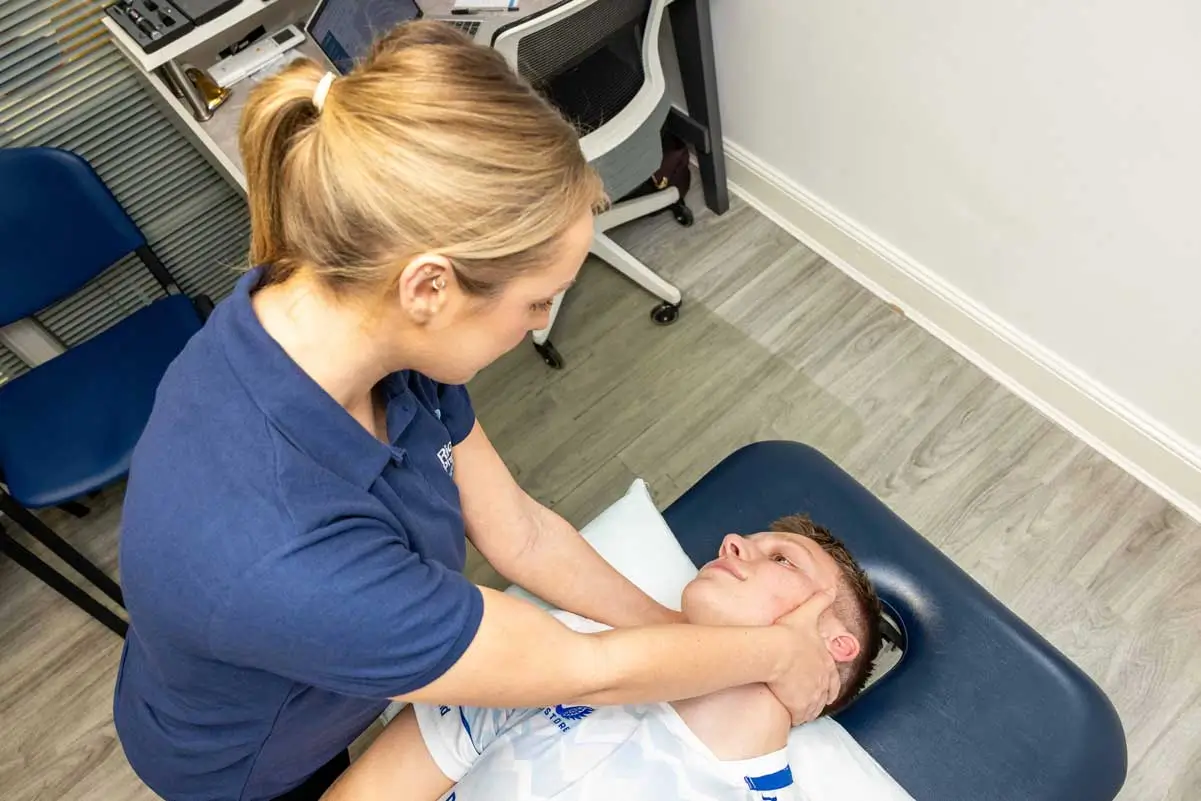
Our vestibular rehabilitation programmes are strictly grounded in evidence-based techniques designed to facilitate “vestibular compensation.” This is the process where the brain learns to adapt to altered signals from the inner ear. We treat common conditions such as Benign Paroxysmal Positional Vertigo (BPPV), Labyrinthitis, Ménière’s disease, and Vestibular Migraine. By following high-authority clinical frameworks, our clinicians at Richmond Clinic ensure that every manoeuvre and exercise is safe, purposeful, and justified by your specific diagnostic results.
Who We Help
We support a broad spectrum of individuals across Richmond and South West London seeking to restore their equilibrium:
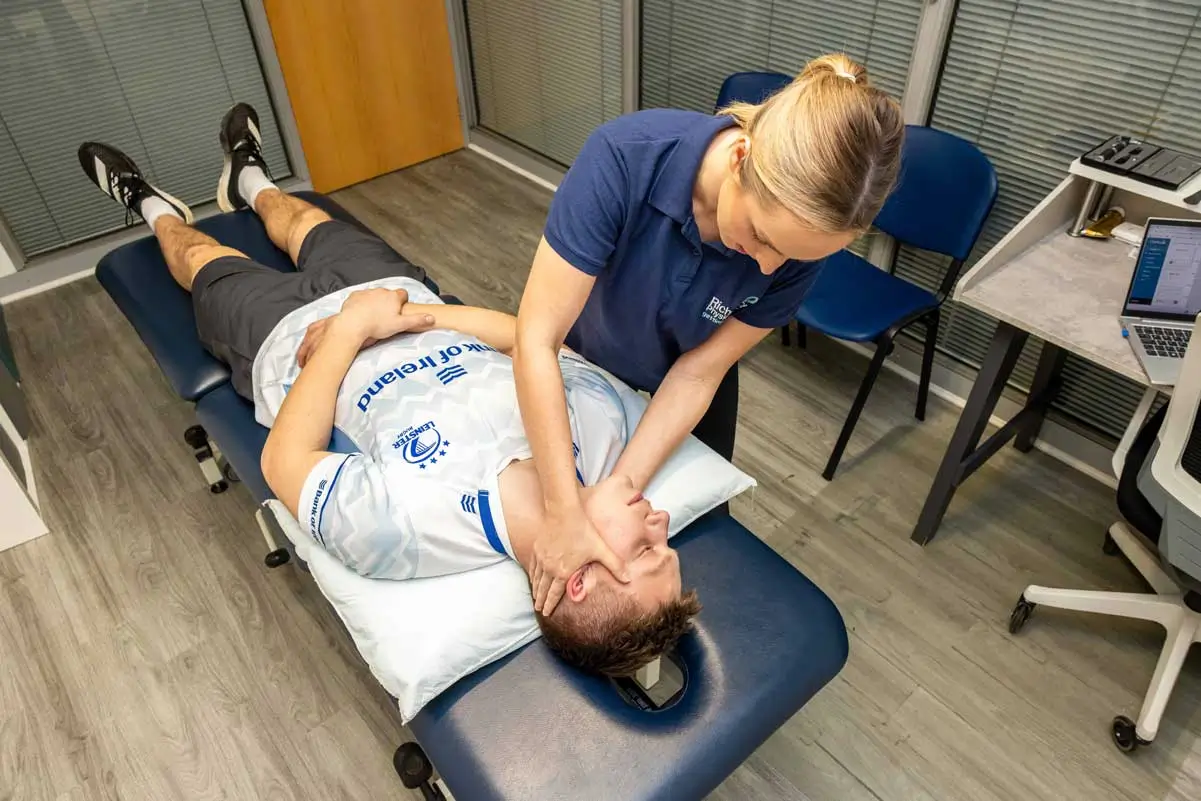
- BPPV Sufferers: Those experiencing brief, intense episodes of spinning when turning in bed or looking up.
- Post-Concussion Patients: Individuals dealing with persistent dizziness following a head injury.
- Seniors: Addressing age-related balance decline to reduce the risk of recurrent falls.
- Neurological Patients: Supporting those with MS or stroke who experience secondary balance impairment.
- Chronic Dizziness Patients: Helping those with Persistent Postural-Perceptual Dizziness (PPPD) regain confidence.
Our Vestibular Specialist
Vestibular services at Richmond Physiotherapy are delivered by Hannah Jones. Hannah is a Specialist Vestibular and Facial Physiotherapist with advanced training in managing complex balance disorders. Her expertise includes the assessment of eye movements, vestibular reflexes, and the application of canalith repositioning manoeuvres. Hannah is a member of ACPIVR (Association of Chartered Physiotherapists with an Interest in Vestibular Rehabilitation), ensuring your care is delivered at the highest professional standard.

Our Richmond Clinic
Richmond Physiotherapy is located at Lawton Gate House, 7 Hill St, Richmond, TW9 1SX. Our clinic is a central destination for vestibular therapy for residents in Twickenham, Kew, Sheen, and Teddington. Being situated just moments from Richmond Station, we are highly accessible for patients travelling from Kingston, Barnes, or Isleworth. If you are navigating the local areas of St Margarets or Brentford and struggling with unsteadiness, our specialised Hill Street centre is perfectly positioned to help you find your balance again.
Pricing & Insurance
We provide a transparent fee structure for our specialised vestibular sessions. Our initial vestibular assessment is a comprehensive 60-minute appointment to allow for detailed testing. We are recognised by all major insurance providers, including Bupa, AXA, Vitality and Aviva. We offer direct billing to ensure your focus remains on your recovery. Please have your authorisation details ready when contacting us at 020 8332 1132 to book.
FAQs
What is the vestibular system?
The vestibular system is located within your inner ear. It sends vital information to your brain about your head position and movement, working with your eyes and muscles to keep you steady.
What happens during a vestibular assessment?
We perform a detailed history followed by an examination of your eye movements, balance, and gait. We also use specific positional tests to check for displaced crystals in the inner ear.
Can vestibular therapy help with travel sickness?
Yes, vestibular rehabilitation can help reduce motion sensitivity, including travel sickness, by retraining how your brain processes movement signals.
Do the exercises cause more dizziness?
The goal of some exercises is to “provoke” a small amount of symptoms to help the brain adapt. However, your therapist will guide you on pacing to ensure these sensations are manageable and productive.
How many sessions will I need for BPPV?
BPPV often responds very quickly, sometimes resolving in just one or two sessions after a successful canalith repositioning manoeuvre.
Should I bring someone with me to the appointment?
Because some vestibular tests can temporarily induce dizziness, we recommend having someone accompany you or arranging for a taxi home following your initial assessment.
Glossary of Terms
- BPPV: Benign Paroxysmal Positional Vertigo; dizziness caused by displaced crystals in the inner ear.
- Canalith Repositioning: A series of head movements used to move displaced crystals back to their correct position.
- Compensation: The brain’s ability to re-calibrate balance using alternative sensory inputs.
- Nystagmus: Involuntary, rapid eye movements often used by therapists to diagnose vestibular issues.