What is Lower Limb Rehab
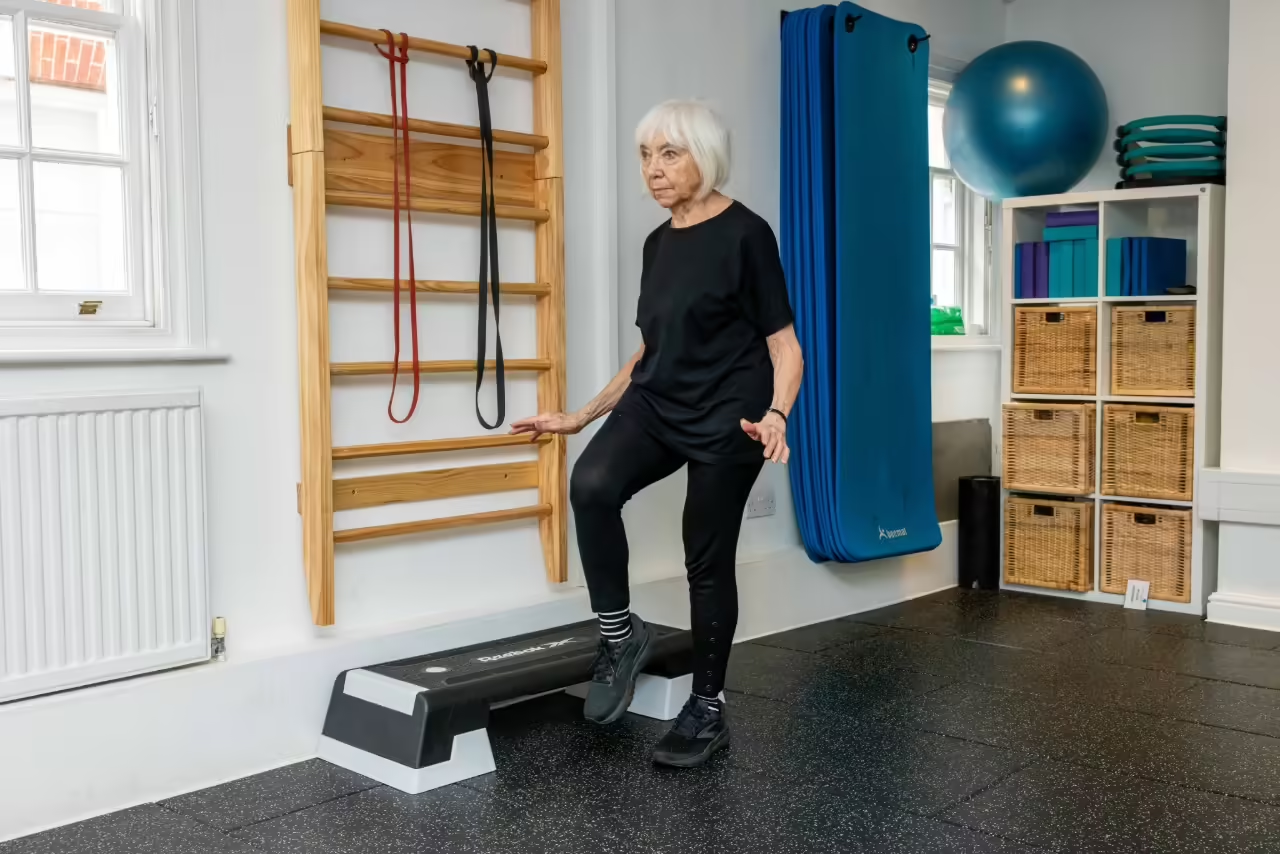
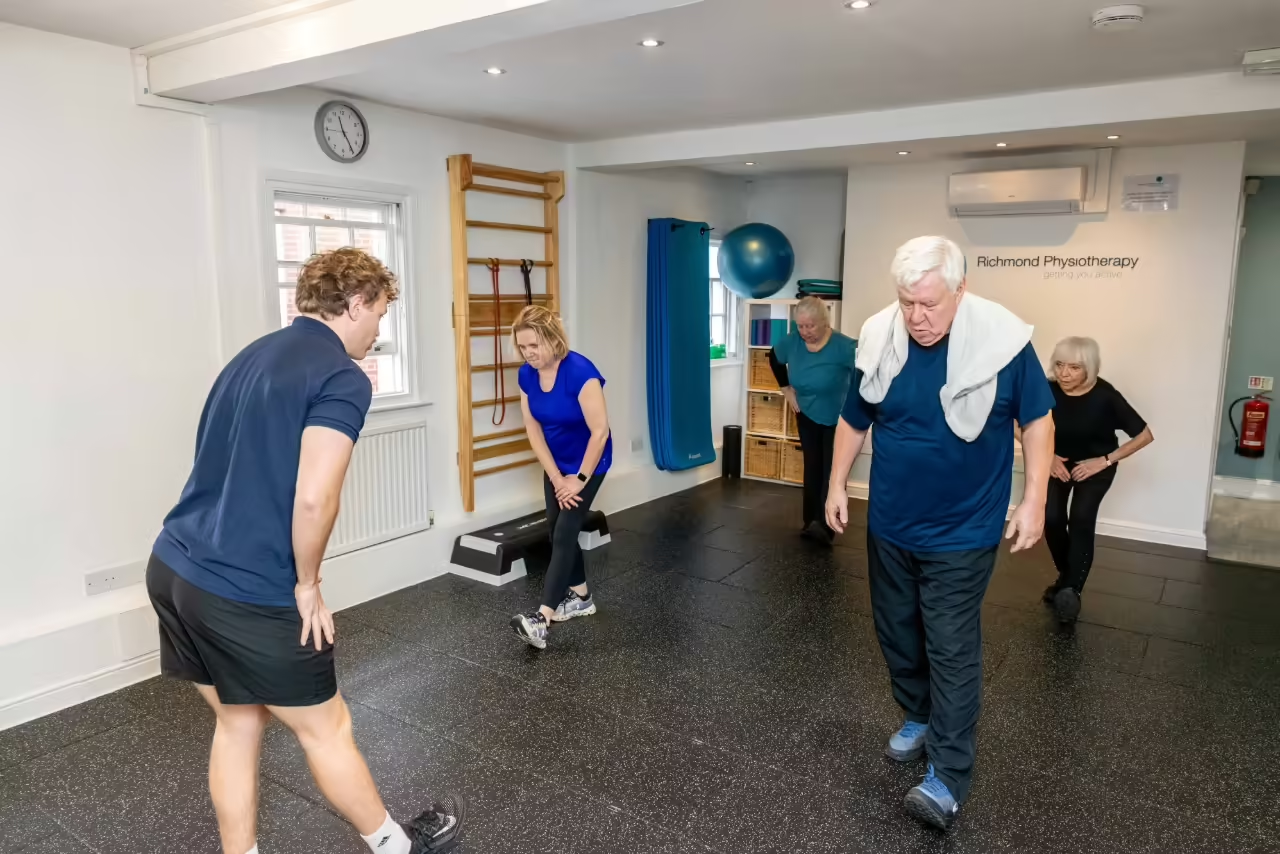
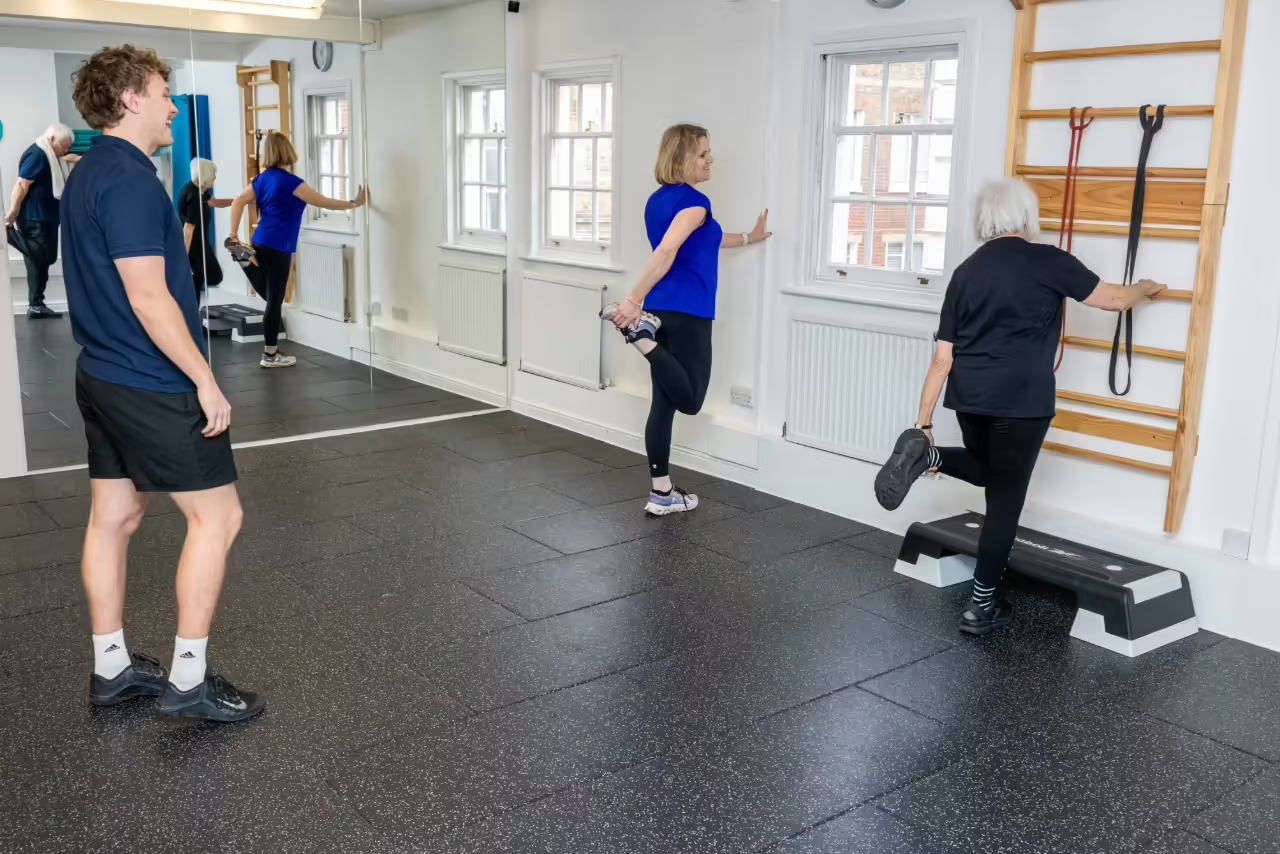
Recovering from a leg injury or surgery requires more than just rest: it necessitates a structured, progressive loading environment. At Richmond Physiotherapy, our Lower Limb Rehab service is a circuit-based class specifically designed to improve function, mobility, strength, and balance. These sessions provide a logical and detailed pathway for those who may not have access to gym facilities at home or who require professional supervision to ensure they are performing their programme effectively. Based at Richmond Clinic, we bridge the gap between initial treatment and a confident return to daily activities or sport.
Specialist Rehabilitation vs Generic Gym Exercise
Feature
Standard Gym Workout
Richmond Lower Limb Rehab Class
Supervision
Unsupervised or general PT
Led by Sports Rehabilitation Therapists
Clinical Safety
No medical vetting
Requires Physiotherapist clearance to join
Class Density
Large groups
Strictly limited to 4 participants
Focus
General aesthetics/fitness
Clinical injury recovery and motor control
Equipment
Commercial machines
Evidence-led rehab tools and circuit stations
Who is this Class for?
Hip, knee, foot, and ankle soft tissue injuries (e.g., ankle sprains, knee ligament injuries, lateral hip pain, Achilles injuries, anterior knee pain)
Recovery following post-operative joint replacement surgery (once your physiotherapist has cleared you to attend)
ACLR and other knee ligament reconstructive surgery
Lower limb fracture recovery (provided you have reached the appropriate weight-bearing milestones as set out by your physiotherapist)
Eligibility Requirements
Participants must have been assessed by a physiotherapist and received clearance to join group exercise. If you are unsure about your eligibility, please consult one of our physiotherapists before booking.
Our Rehabilitation Experts
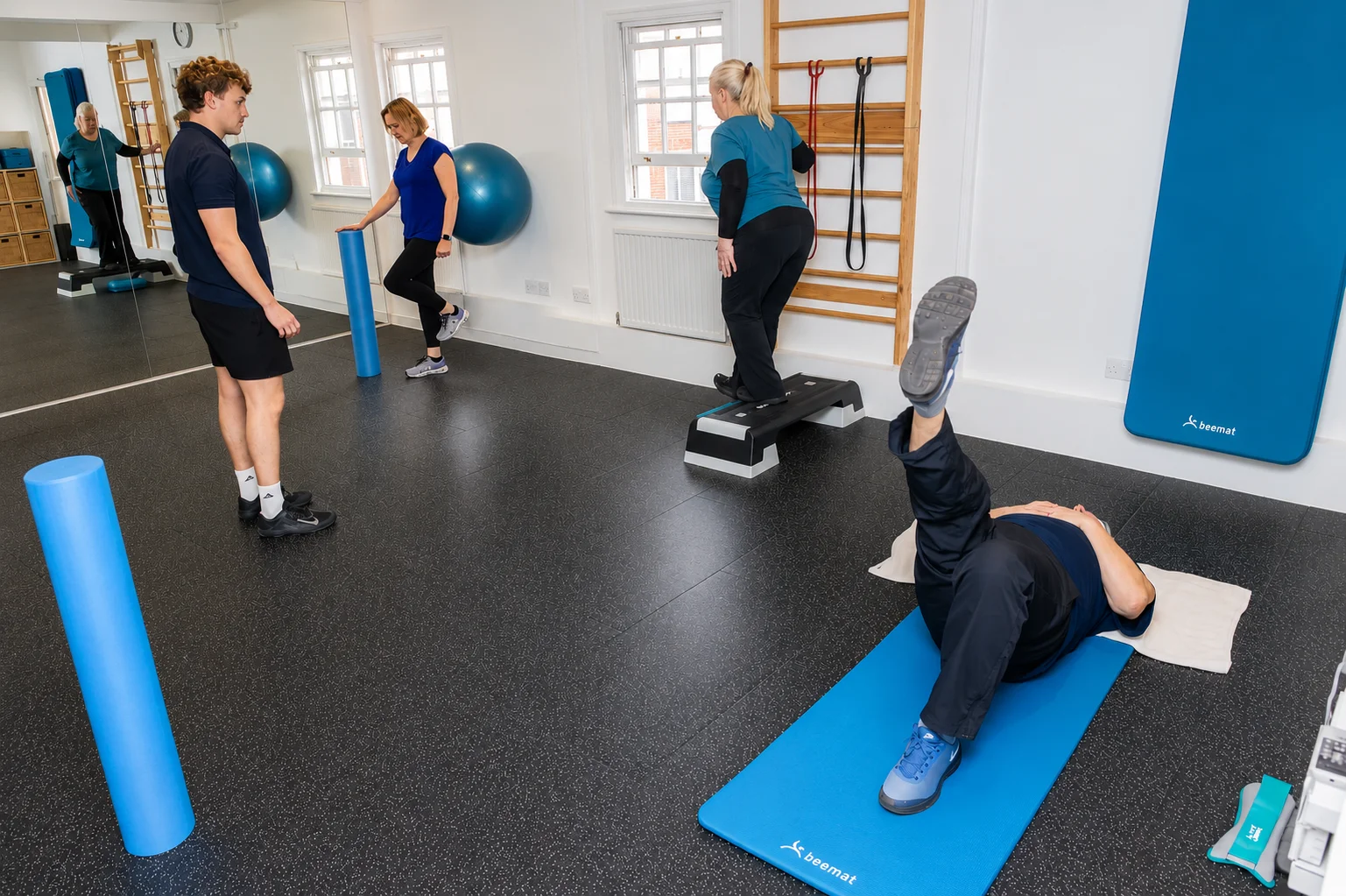
Lower limb rehabilitation classes at Richmond Physiotherapy are led by our experienced sports rehabilitation therapists, Marcus Warr and Mark Davies. Marcus is a BASRaT-registered Graduate Sports Rehabilitator with a strong focus on biomechanics and motor control. Mark brings extensive experience in sports rehab and massage, ensuring a holistic approach to movement. Working closely with our senior physiotherapy team, they provide focused guidance and encouragement to help you achieve your strength and mobility goals.
Our Richmond Clinic
Richmond Physiotherapy is located at Lawton Gate House, 7 Hill St, Richmond, TW9 1SX. Our clinical gym is a central hub for lower limb rehab for residents in Twickenham, Kew, Sheen, and Putney. Being situated just moments from Richmond Station, our facility is exceptionally convenient for those travelling from Kingston, Barnes, or Isleworth. Whether you are looking to return to running in Richmond Park or simply want to walk comfortably through St Margarets or Brentford, our Hill Street centre is perfectly positioned to support your recovery.
FAQs
What is a circuit-based rehab class?
It is a session where you move through different exercise “stations,” each targeting a specific aspect of lower limb health, such as strength, balance, or mobility, under the direct supervision of a therapist.
Can I join if I have never been to the gym?
Yes. The class is designed for all fitness levels. Our therapists adapt every exercise to your current ability and stage of recovery.
Do I need to see a physio before I start?
Yes. To ensure your safety and the effectiveness of the class, you must be assessed by a Richmond Physiotherapy clinician to ensure you have reached the necessary recovery milestones.
What should I wear?
Please wear comfortable activewear that allows you to move freely and supportive footwear, such as trainers.
How many people will be in the class?
We limit our classes to just four participants. This ensures that our sports rehabilitation therapists can provide focused, individualised guidance to everyone in the room.
Can this class help with my Achilles pain?
Absolutely. We use evidence-led loading protocols that are essential for tendon health and recovery from injuries like Achilles tendinopathy.
Glossary of Terms
- ACLR: Anterior Cruciate Ligament Reconstruction.
- Neuromuscular Control: The unconscious trained response of a muscle to a signal regarding dynamic joint stability.
- Proprioception: The body’s ability to sense its position, crucial for balance after an ankle or knee injury.
- Weight-bearing Milestones: Specific stages of recovery where a patient is permitted to put increasing amounts of weight through an injured limb.