What is Sports Massage & Performance
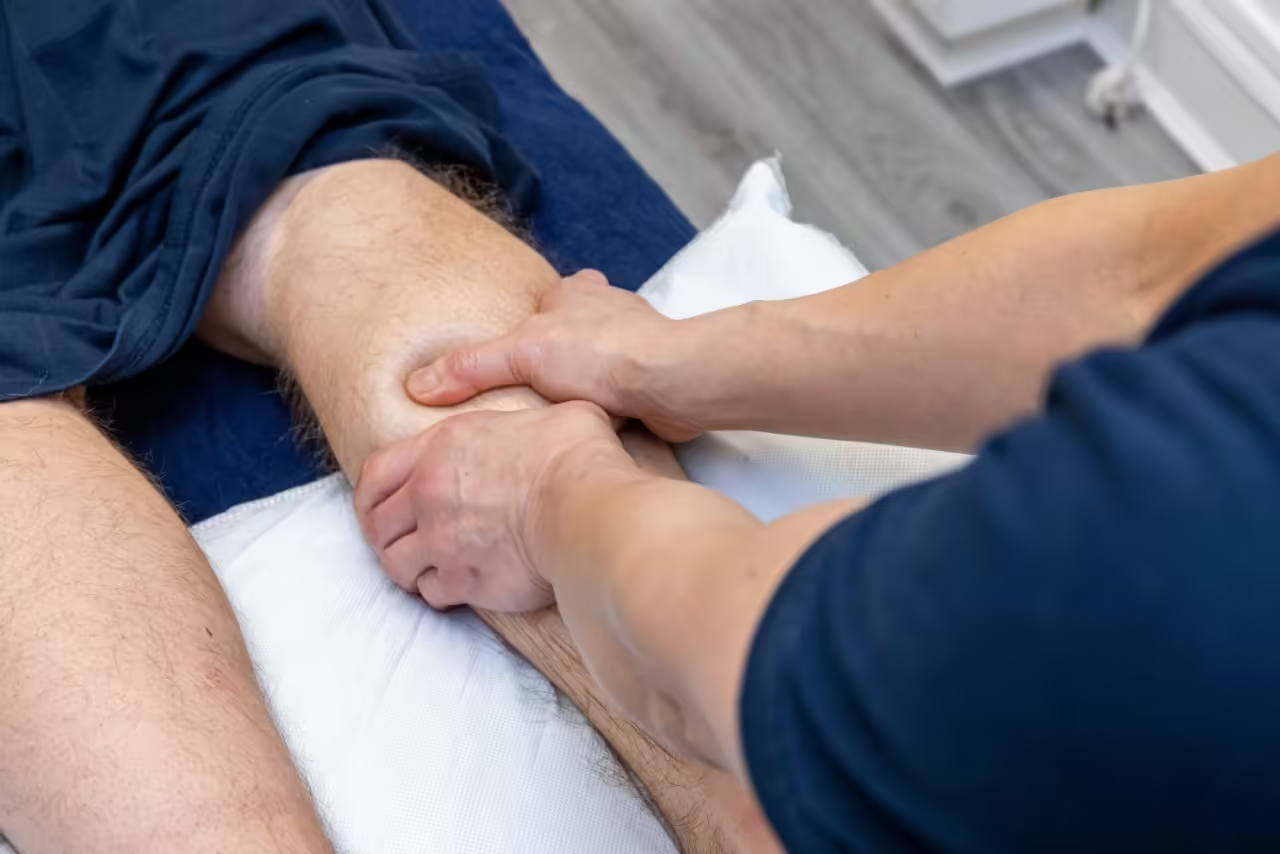
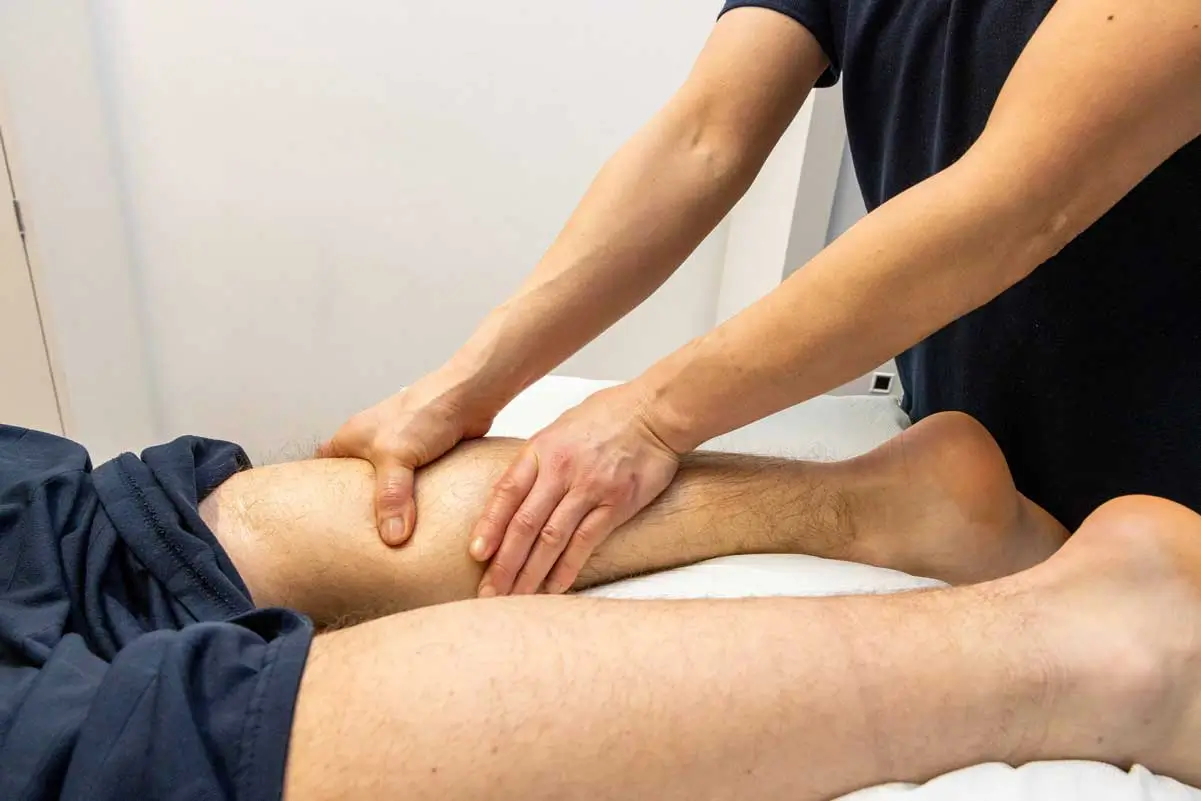
Functional movement and peak athletic output depend heavily on the health and pliability of your soft tissues. At Richmond Physiotherapy, our Sports Massage & Performance service is a specialised form of therapy focused on the management, manipulation, and rehabilitation of the body’s muscles, ligaments, and tendons. Whether you are an elite athlete, a “weekend warrior,” or someone managing the physical toll of a demanding job, our logical and detailed approach to soft tissue work helps speed up recovery and reduces the risk of future injuries. Based at Richmond Clinic, we provide the high-authority clinical care needed to keep you moving at your best.
Specialist Performance Massage vs Generic Massage
Feature
Generic Beauty/Spa Massage
Richmond Sports & Performance Massage
Primary Goal
General relaxation and pampering
Injury prevention, recovery, and rehabilitation
Technique
Light, rhythmic strokes
Strong, deep tissue manipulation and trigger point work
Clinical Link
Standalone service
Closely integrated with our physiotherapy team
Knowledge
Basic anatomy
Specialist understanding of sports biomechanics
Outcome
Temporary stress relief
Improved mobility, lymphatic flow, and muscle length
What is Sports Massage?
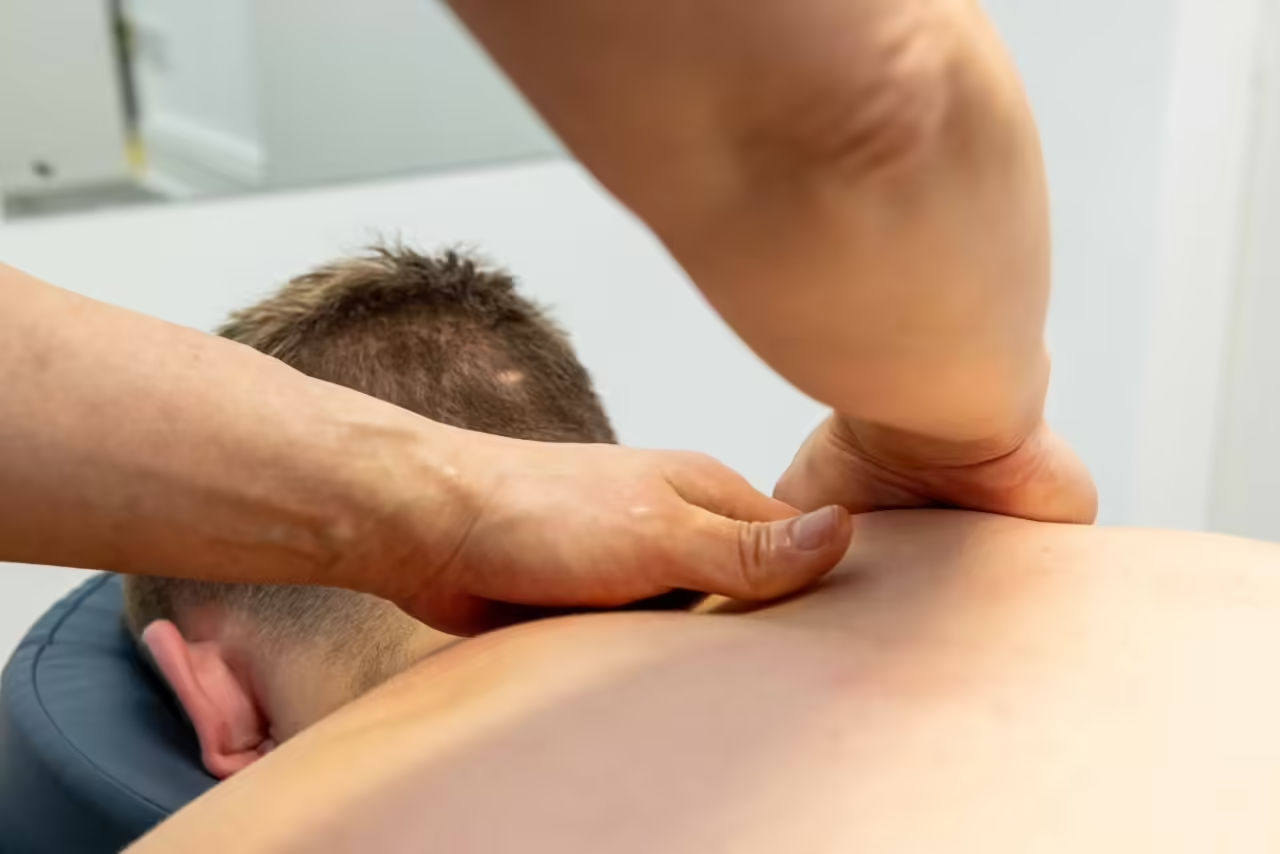
Sports massage is a specialised form of therapy focused on the management, manipulation, and rehabilitation of the body’s soft tissues, including muscles, ligaments, and tendons. It is particularly beneficial for those who engage in regular physical activity, from elite athletes to enthusiastic “weekend warriors”.
Sports massage not only helps in recovery from intense training but also supports athletes taking part in demanding events, such as Hyrox and CrossFit competitions, by helping to prepare the body for peak performance and reducing feelings of tightness and stiffness.
Benefits of Sports Massage
Sports massage offers a range of advantages that contribute to both physical and mental readiness for sporting activities:
Improved Circulation and Lymphatic Flow
The techniques used in sports massage stimulate blood flow, ensuring muscles receive more oxygen and nutrients. Enhanced lymphatic drainage also helps remove toxins and metabolic waste, reducing muscle fatigue and speeding up recovery.
Removal of Metabolic Waste
By encouraging the elimination of waste products that build up during exercise, sports massage helps alleviate soreness and prevents the accumulation of lactic acid, supporting the body’s natural recovery processes.
Nervous System Regulation
Depending on the technique, sports massage can either calm or awaken nerve endings. This means it can help relax the body after strenuous activity or invigorate it before an event, depending on your needs.
Adjusting Muscle Tone
Sports massage can help increase or decrease muscle tension, making muscles more pliable and reducing the risk of strains or injuries.
Enhancing Muscle Length
Targeted stretching and manipulation during the session can lengthen muscles, improving flexibility and range of motion.
Scar Tissue Remodelling
For those recovering from injury, sports massage can aid in breaking down and reorganising scar tissue, helping restore normal movement and function.
Mental Preparation
The process of receiving a sports massage can promote relaxation and focus, assisting athletes in mentally preparing for competition or heavy training loads.
Benefits of Sports Massage
Sports massage offers a range of advantages that contribute to both physical and mental readiness for sporting activities:
- Improved Circulation and Lymphatic Flow: The techniques used in sports massage stimulate blood flow, ensuring muscles receive more oxygen and nutrients. Enhanced lymphatic drainage also helps remove toxins and metabolic waste, reducing muscle fatigue and speeding up recovery.
- Removal of Metabolic Waste: By encouraging the elimination of waste products that build up during exercise, sports massage helps alleviate soreness and prevents the accumulation of lactic acid, supporting the body’s natural recovery processes.
- Nervous System Regulation: Depending on the technique, sports massage can either calm or awaken nerve endings. This means it can help relax the body after strenuous activity or invigorate it before an event, depending on your needs.
- Adjusting Muscle Tone: Sports massage can help increase or decrease muscle tension, making muscles more pliable and reducing the risk of strains or injuries.
- Enhancing Muscle Length: Targeted stretching and manipulation during the session can lengthen muscles, improving flexibility and range of motion.
- Scar Tissue Remodelling: For those recovering from injury, sports massage can aid in breaking down and reorganising scar tissue, helping restore normal movement and function.
- Mental Preparation: The process of receiving a sports massage can promote relaxation and focus, assisting athletes in mentally preparing for competition or heavy training loads.
What to Expect During a Session
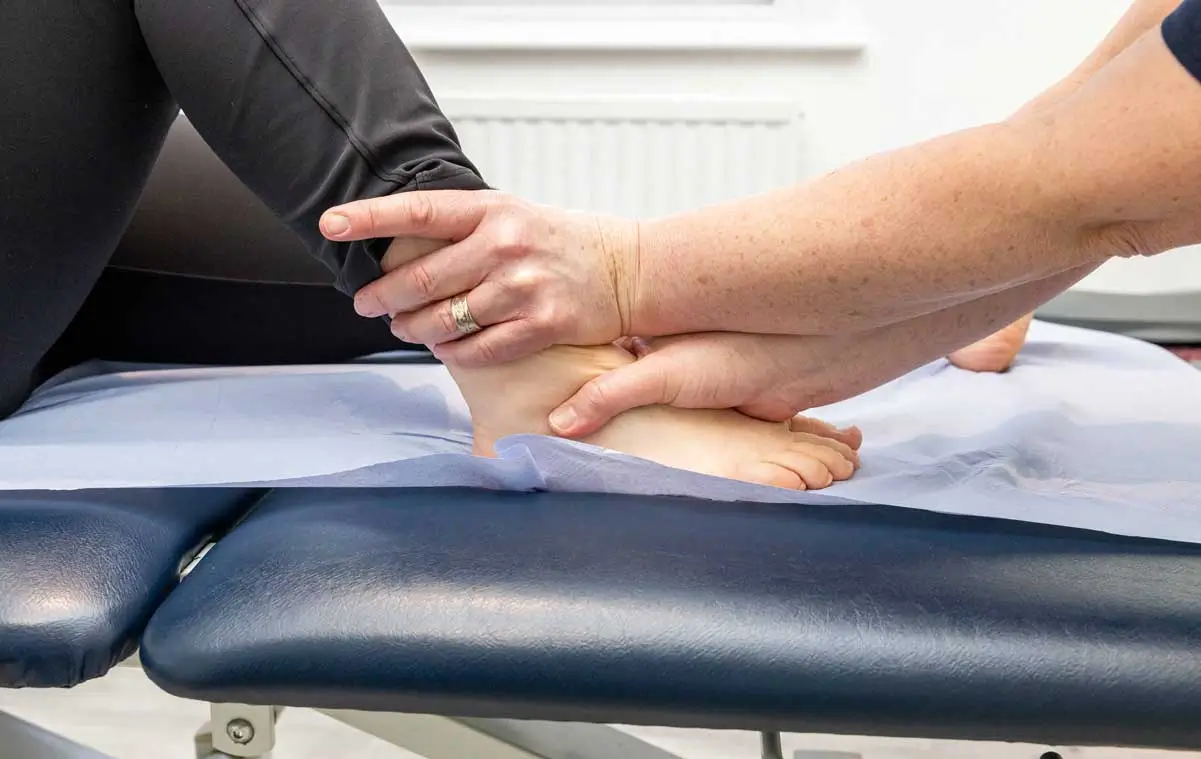
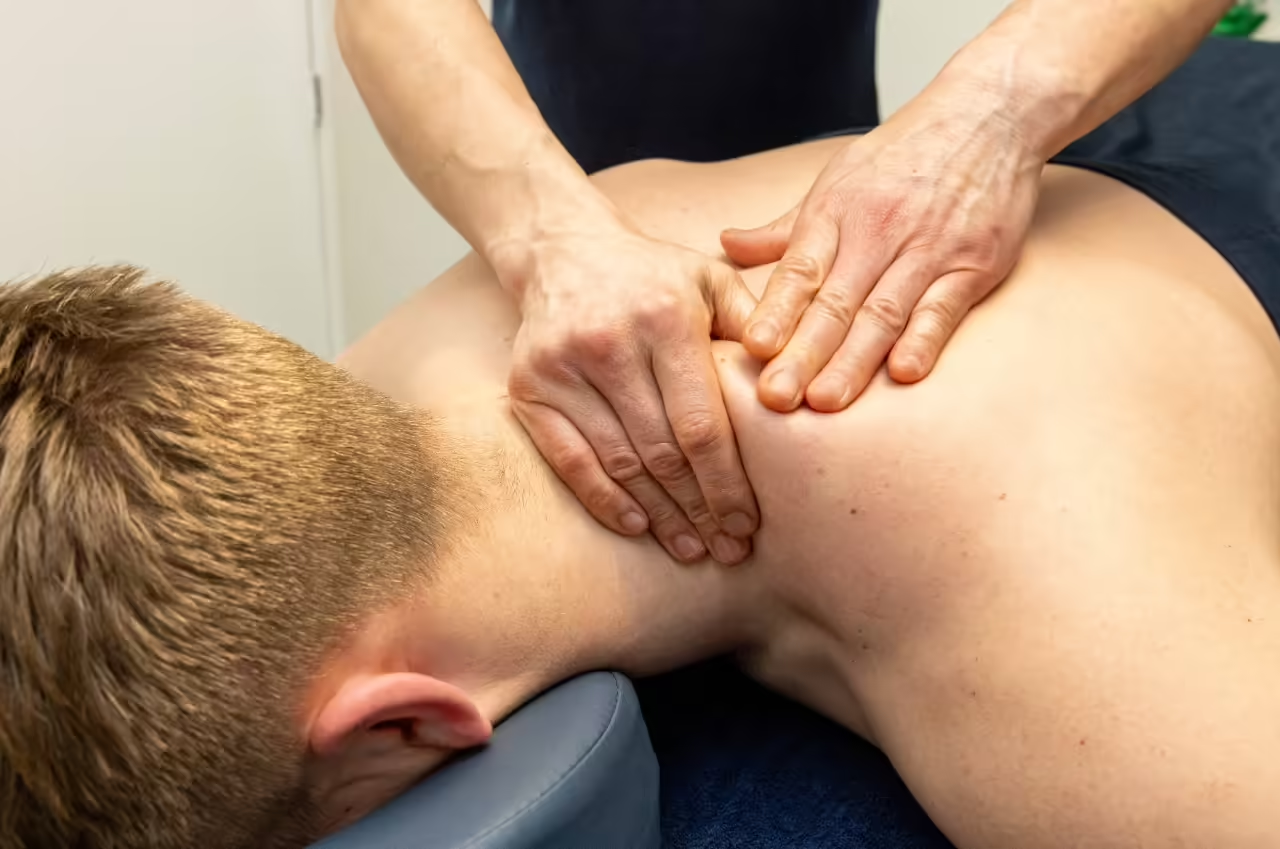
A typical sports massage session lasts at least 60 minutes, allowing the therapist to effectively treat areas across the body, especially around major joints and the spine. Depending on your needs, the massage may involve firm pressure and deep tissue techniques, which can sometimes feel intense but are highly effective. It is normal to experience sensations of pressure or slight discomfort as tight areas are addressed, but the overall aim is to leave you feeling more flexible and prepared for activity. You may feel quite tired afterwards, so it’s important to plan accordingly.
Specialist Bios
Our sports massage and performance team includes highly experienced therapists who understand the demands of the human body. Marcus Warr is a Graduate Sports Rehabilitator (GSR) with an MSc and BSc (Hons), providing a clinical edge to performance massage. He is joined by Mark Davies, a specialist in sports rehabilitation and massage, and Yoshiko Beer, who offers expert massage therapy including pregnancy-specific techniques. Together, they provide a multidisciplinary approach, often collaborating with our senior physiotherapists to ensure your soft tissue work supports your wider rehabilitation goals.
Tips for Before and After Your Massage
Before your session: Try not to eat a large meal immediately beforehand, as this can make you uncomfortable during the massage. On arrival at your initial massage session some discussion around any current injuries or reasons for seeking massage is necessary with your therapist to allow them to plan the session.
After your session: It’s common to feel tired or even a bit sore. Drink plenty of water to help flush out toxins released during the massage and aim to get a good night’s sleep to maximise recovery benefits. Having a balanced meal afterwards can also support your body’s repair processes.
Our Richmond Clinic
Richmond Physiotherapy is located at Lawton Gate House, 7 Hill St, Richmond, TW9 1SX. Our clinic serves as a central hub for sports massage for the communities of Twickenham, Kew, Sheen, and Putney. Situated just moments from Richmond Station, we are easily accessible for clients travelling from Kingston, Isleworth, or Teddington. Whether you are looking for recovery after a long run in Richmond Park or preparing for an event in Barnes or St Margarets, our Hill Street facility offers a professional clinical environment to enhance your athletic performance.
FAQs
What is the difference between sports massage and deep tissue massage?
While both use firm pressure, sports massage is specifically geared toward athletes and focuses on improving performance and preventing injury through an understanding of biomechanics and sport-specific movement.
Who should avoid sports massage?
Sports massage may not be suitable for individuals with certain medical conditions, such as acute injuries, infections, recent surgeries, or some cardiovascular issues. If you have any concerns or underlying health problems, always consult your GP or a qualified physiotherapist before booking a session.
How often should I have a sports massage?
The ideal frequency depends on your level of activity, training intensity, and personal needs. Many athletes benefit from regular sessions every 2–4 weeks, while those preparing for competition may choose more frequent treatments. Your therapist can recommend a schedule tailored to your goals.
Can I have a massage if I have an acute injury?
Sports massage is generally not suitable for acute, “fresh” injuries involving inflammation or infections. In these cases, we recommend an initial assessment with one of our physiotherapists first.
Can sports massage help with non-sporting injuries?
Yes, sports massage can benefit anyone experiencing muscle tension, stiffness, or discomfort, even if not directly related to sport. It can be useful for those with physically demanding jobs or anyone seeking improved mobility and wellbeing.
Will I feel sore the next day?
It is common to feel slightly sore or tired for 24 hours after a deep session. This is a normal part of the body’s response to deep tissue manipulation and is usually followed by a feeling of increased flexibility.
Glossary of Terms
- Soft Tissue: Includes muscles, tendons, ligaments, and the fascia that surrounds them.
- Metabolic Waste: By-products of exercise, like lactic acid, that can cause muscle fatigue.
- Myofascial Release: A manual technique used to release tension in the connective tissue (fascia).
- Hypertonicity: A state of abnormally high muscle tension or “tone.”