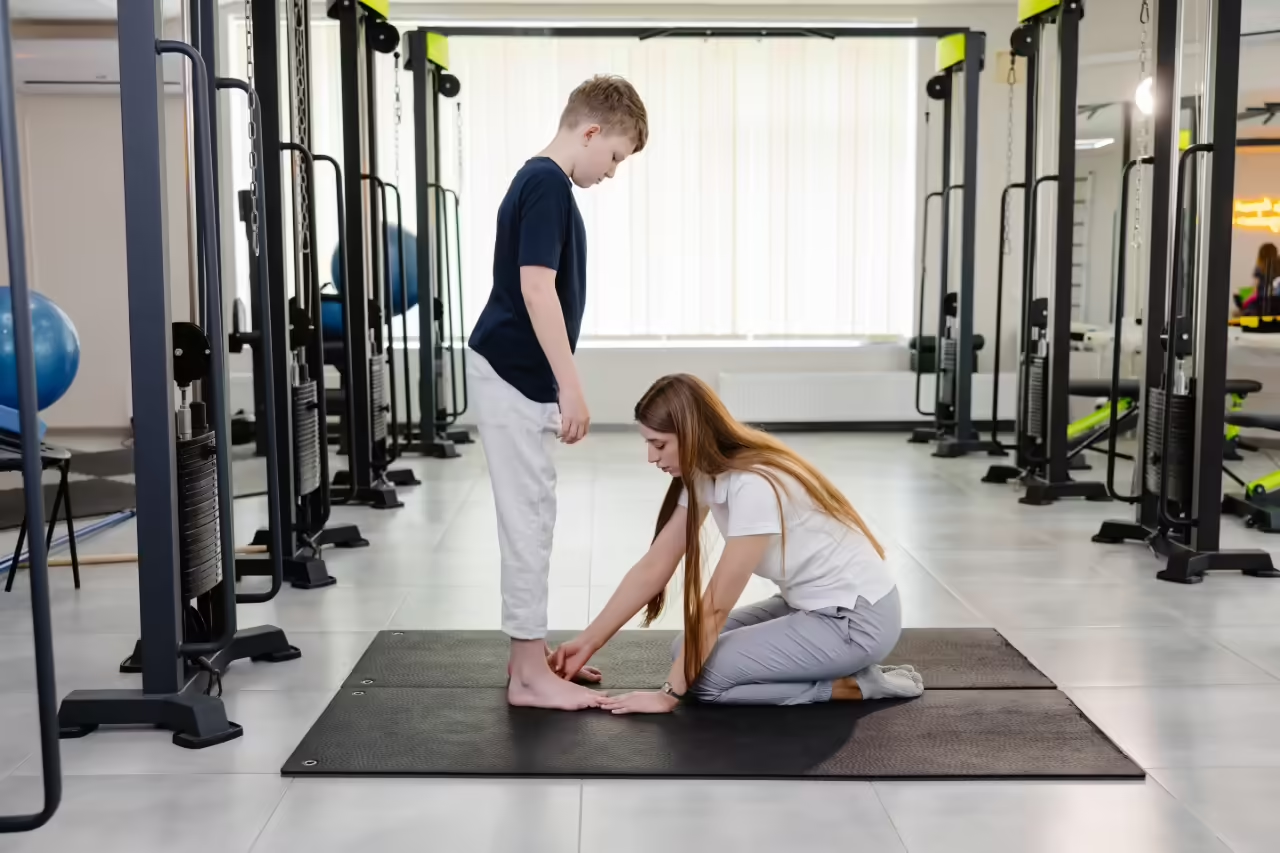
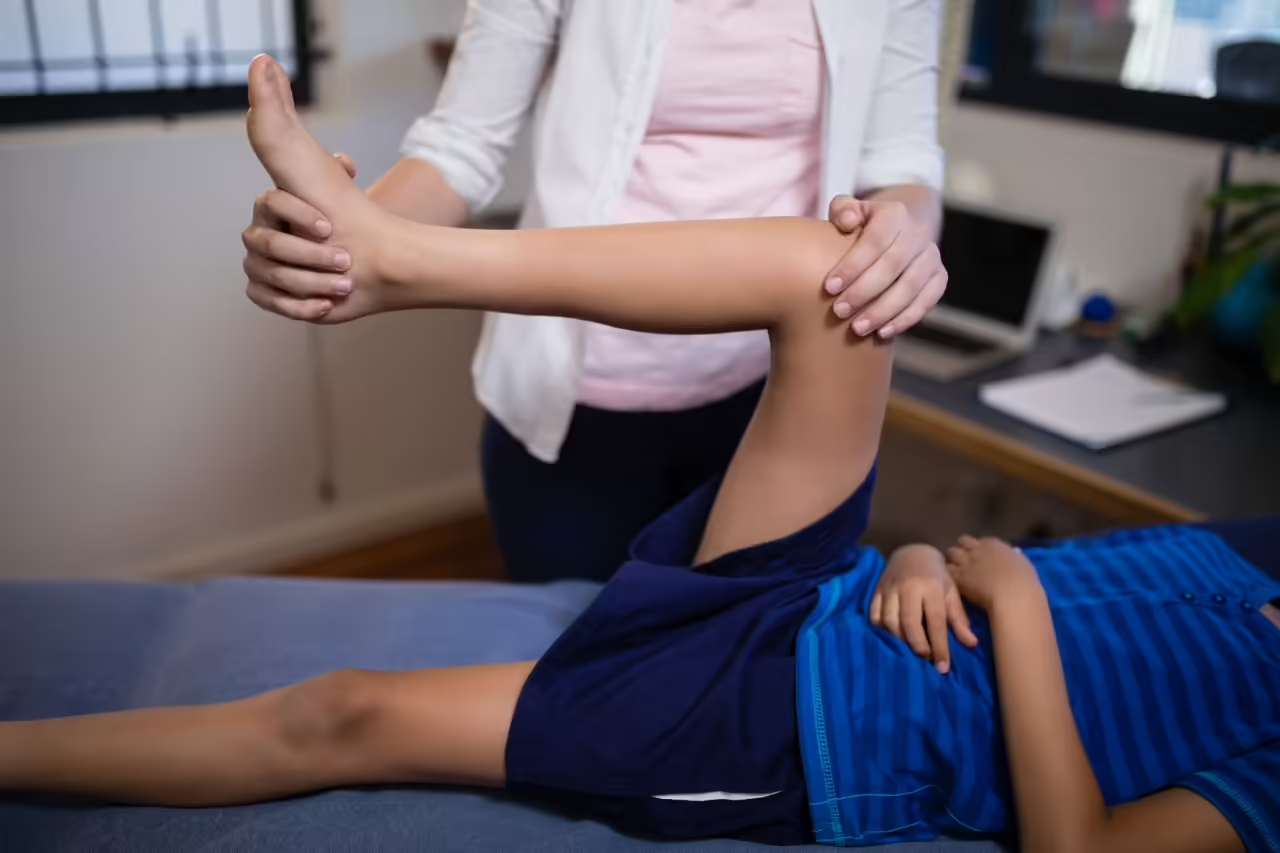
What is Adolescent Knee Injuries
Children and teenagers are not simply “small adults.” When an adolescent sustains a knee injury, the management must account for their unique physiology, specifically the active growth plates and developmental phases they are navigating. At Richmond Physiotherapy, we provide a logical and detailed approach to paediatric knee health, acknowledging that successful recovery requires a specialised understanding of the growing skeleton. Based at Richmond Clinic, our team provides the high-authority clinical care needed to help young athletes and students return to their sporting aspirations and daily school life safely.
Specialist Paediatric Care vs Generic Management
Feature
Standard Adult-Focused Care
Richmond Adolescent Knee Specialist
Growth Consideration
Often overlooked
Primary focus on growth plates & development
Liaison
Minimal external contact
Active liaison with parents, coaches, and teachers
Recovery Focus
General mobility
Academic, social, and sporting integration
Surgery Liaison
Standard referral
Close collaboration with expert paediatric surgeons
Rehabilitation
Generic loading
Age-appropriate, safe developmental loading
Signs and Symptoms
Adolescent knee pain can stem from sudden trauma or the stresses of rapid growth. You may benefit from our specialised intervention if your child experiences:
Growth-Related Aching
Persistent pain just below the kneecap, often linked to Osgood-Schlatter disease.
Joint Instability
A feeling of the knee “giving way” during PE or club sports.
Sharp Tibial Pain
Tenderness over the bony bump at the top of the shin.
Activity-Induced Swelling
Puffiness around the joint that appears after football, netball, or running.
Restricted Flexibility
Difficulty fully bending or straightening the leg during growth spurts.
Mechanical Catchin
Clicking or locking sensations that cause anxiety during movement.
Evidence-Led Management for Young Athletes
Diagnosis is the essential first step in managing adolescent knee injuries. Our team at Richmond Clinic follows high-authority clinical frameworks to differentiate between soft tissue strains and injuries involving the growth plates (apophysitis). We recognize that the demands of a teenager’s life—from school challenges to elite sporting goals—require a structured and supportive environment. Our evidence-led plans focus on managing the loading through the knee to allow for safe rehabilitation without compromising future growth, helping to alleviate the anxieties of the patient and their family.

Who We Help
We support young people across Richmond and South West London through various knee challenges:
Osgood-Schlatter Sufferers
Managing growth-related pain in active teenagers.
Youth Sports Players
Specialist rehab for ACL tears, meniscal injuries, and patellar dislocations.
Students
Coordinating with schools to manage study-rehab balance during recovery.
Parents & Guardians
Providing clear guidance and education on developmental phases.
Aspiring Athletes
Bridge-to-performance programs for those returning to competitive club sports.
Our Richmond Clinic
Richmond Physiotherapy is located at Lawton Gate House, 7 Hill St, Richmond, TW9 1SX. Our clinic serves as a primary hub for paediatric and adolescent care for families in Twickenham, Kew, Sheen, and Putney. Being situated just moments from Richmond Station, we are highly accessible for students and parents travelling from Kingston, Barnes, or Isleworth for after-school appointments. Whether your child is active in Richmond Park or represents a local school team, our Hill Street centre is perfectly positioned to support their journey back to full health.
Pricing & Insurance
We provide a transparent fee structure for all paediatric and adolescent assessments. We are recognised by all major insurance providers, including Bupa, AXA, Vitality and Aviva. For these providers, we offer a seamless direct billing service. We understand that adolescent recovery often involves coordination with external parties; our team is dedicated to providing the necessary support to make the process straightforward for families. Please contact us at 020 8332 1132 to book an assessment.

FAQs
Why shouldn't my child see a regular adult physiotherapist?
Adolescent bones have active growth plates. Management that works for an adult can sometimes be inappropriate or even harmful for a growing skeleton. Specialist paediatric knowledge ensures the treatment is safe for their developmental stage.
Can you talk to my child's sports coach?
Yes. With your consent, we can liaise with coaching and teaching staff to ensure your child’s physical load is managed correctly at school and during club training.
How do you treat Osgood-Schlatter disease?
We focus on load management, specific stretching, and strengthening of the supporting muscles. We also provide education to the child and parents on how to stay active without flaring up the symptoms.
Do adolescent knee injuries always need surgery?
Not necessarily. Many injuries, including some ligament issues, can be managed conservatively with expert physiotherapy. If surgery is required, we work closely with top knee surgeons to provide the best possible “pre-hab” and post-op care.
What should my child wear to the appointment?
Please bring a pair of shorts. This allows the physiotherapist to clearly assess the knee joint, muscle bulk, and lower limb alignment.
How many sessions will they need?
This depends on the injury. Growth-related issues may need periodic monitoring throughout a growth spurt, while acute injuries require a more intensive, structured rehabilitation block.
Glossary of Terms
- Apophysitis: Inflammation where a tendon attaches to a bone, common in growing children.
- Growth Plate: The area of growing tissue near the ends of the long bones in children and adolescents.
- Osgood-Schlatter Disease: A common cause of knee pain in growing adolescents, characterised by inflammation of the area just below the knee.
- Paediatric Physiotherapy: Specialist physical therapy focused on the needs of infants, children, and adolescents.