
What is Women's Health Physiotherapy
Women’s Health Physiotherapy is the specialised therapeutic treatment of disorders affecting the pelvis and pelvic floor throughout all stages of life. From pregnancy and postpartum recovery to the menopause transition and beyond, there is significant clinical evidence that specialist physiotherapy can alleviate symptoms that many women mistakenly believe are a “normal” part of aging or motherhood.
At Richmond Physiotherapy, we provide a logical, detailed, and highly supportive environment at Richmond Clinic. We understand that pelvic health concerns can be sensitive topics; our goal is to provide clarity, high-authority clinical expertise, and a clear pathway to regaining your confidence and physical wellbeing.
Specialist Women's Health vs General Physiotherapy
Feature
General Physiotherapy
Richmond Women's Health Specialist
Specialist Training
General MSK focus
Level 2 & 3 Pelvic Health Specialisation
Internal Assessment
Not typically offered
Expert vaginal and rectal clinical examination
Pregnancy Care
General back pain advice
Specialist PrPGP and stability management
Technology
Standard equipment
TENS, Muscle Stimulators, and Pessary fitting
Conditions Treated
Bone and joint focus
Prolapse, Incontinence, Mastitis, and GSM
Common Pelvic Health Conditions We Treat
Urinary Incontinence
Leaking urine when you cough, laugh, sneeze, or exercise (Stress Incontinence).
Urgency & Frequency
A sudden, overwhelming need to urinate or waking frequently at night (Nocturia).
Pelvic Organ Prolapse
A sensation of heaviness, “dragging,” or a bulge in the vaginal area.
Pregnancy-Related Pain
Pain in the hips, groin, or lower back (PrPGP) during daily activities.
Abdominal Muscle Separation
“Doming” of the stomach after pregnancy (DRAM).
Sexual Dysfunction
Pain during or after intercourse (Dyspareunia).
Menopausal Changes
Vaginal dryness, burning, or recurrent urinary tract issues (GSM).
Who We Help
Our specialist team supports women across every life stage:
- Antenatal Patients: We prescribe safe, effective exercise programs to reduce the risk of gestational diabetes and preeclampsia.
- Postpartum Recovery: Assisting with pelvic floor trauma, perineal tears, and return-to-exercise planning from 6 weeks after birth.
- Menopausal Women: Managing bone density loss (Osteoporosis) through strength training and addressing Genitourinary Syndrome of Menopause (GSM).
- Athletes: Helping women maintain high-level athletic performance while managing pelvic floor integrity.
- Lactation Support: Treating Mastitis using therapeutic ultrasound and providing education on breastfeeding posture.
Our Women’s Health Specialists
Our Women’s Health service is led by highly qualified specialists dedicated to this field. Breanna Walker is a Level 3 Women’s Health Specialist and Senior Musculoskeletal Physiotherapist, qualified to fit pessary devices and manage severe prolapse. Sarah Marsh is a specialist Pelvic Health and Cancer Rehabilitation Physiotherapist. They are joined by Joy Tesan, integrating APPI Pilates expertise into pelvic stability rehabilitation.
Our Richmond Clinic
Richmond Physiotherapy is located at Lawton Gate House, 7 Hill St, Richmond, TW9 1SX. Our clinic is a central hub for women’s health for residents in Richmond, Twickenham, Kew, and Sheen. Situated just moments from Richmond Station, we are easily accessible for patients across South West London seeking specialist care in a private, professional environment.
What to Expect at Your Appointment
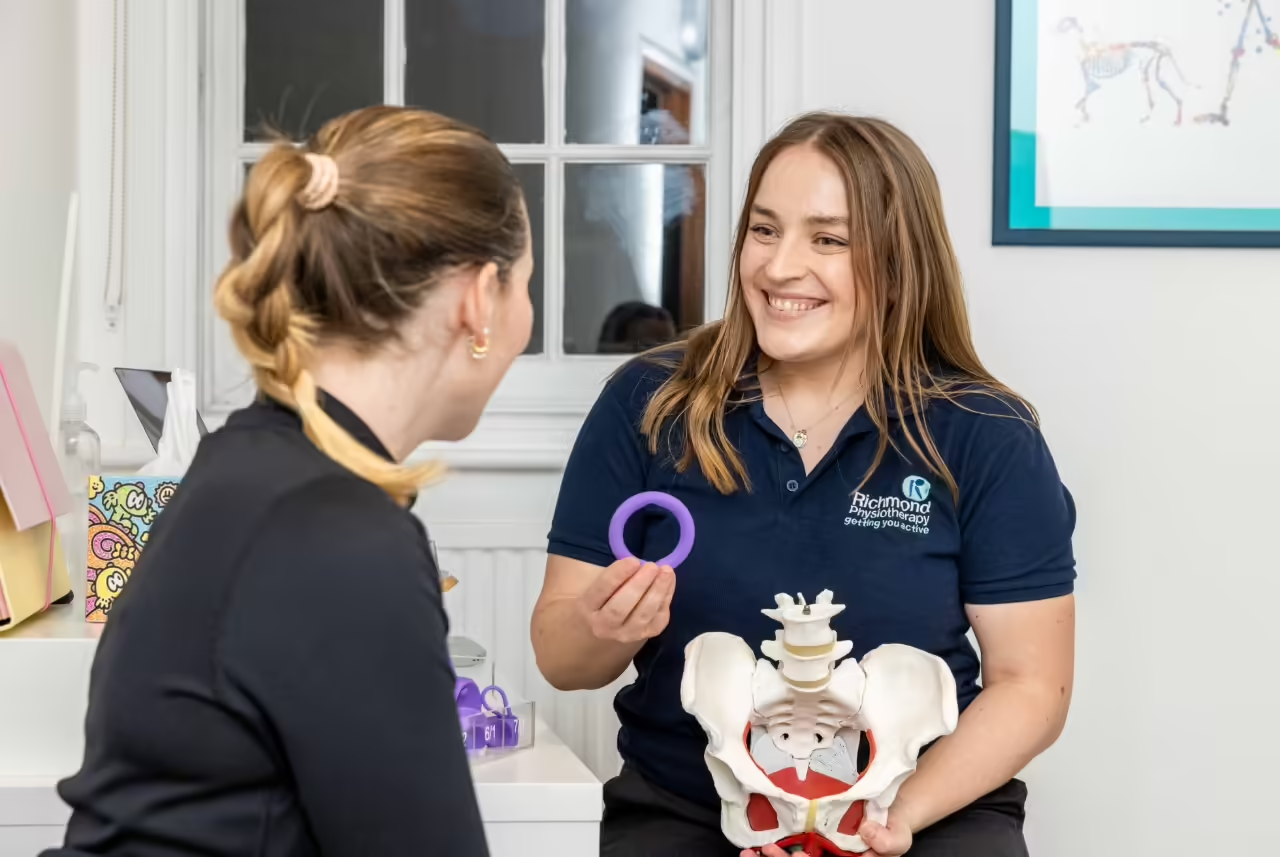
An initial Women’s Health appointment typically takes 1 hour. During this time, your therapist will take a thorough medical history of your symptoms. A physical examination may follow, which can include an internal assessment of the pelvic floor muscles to identify tone, strength, and control. Based on these findings, we develop a bespoke treatment plan involving education, lifestyle modifications, manual therapy, or specific exercise prescription.
FAQs
Is an internal examination mandatory?
While an internal examination is the most accurate way to assess pelvic floor muscle function, it is not mandatory. If you are uncomfortable or if it is clinically inappropriate (such as during certain stages of pregnancy), we can assess the supporting muscles of your abdomen and pelvis externally.
Can physiotherapy help with Mastitis?
Yes. We use therapeutic ultrasound, which employs high-frequency sound waves to increase circulation and break down blockages in the milk ducts. We also provide lymphatic drainage massage and preventative strategies.
I’ve been told leaking after a baby is normal. Is it?
Leaking is common, but it is not a normal state that you have to live with. Research shows that structured pelvic floor strengthening is effective in reversing symptoms in 80% of women.
What are pessaries?
A pessary is a medical-grade silicone device inserted into the vagina (similar to a tampon) to provide structural support for pelvic organs that have descended. Our Level 3 specialists are qualified to fit these devices to help women remain active.
How soon can I come in after giving birth?
We typically recommend a postnatal check from 3 weeks after a vaginal delivery or 8 weeks after a C-section to ensure appropriate healing has occurred before beginning intensive rehabilitation.
Glossary of Terms
- DRAM (Diastasis Recti): Separation of the abdominal muscles during or after pregnancy.
- GSM: Genitourinary Syndrome of Menopause; symptoms caused by declining oestrogen levels.
- Hypertonic: Pelvic floor muscles that are too tight or overactive, often causing pain.
- Hypotonic: Pelvic floor muscles that are weak or have low tone, often leading to incontinence.
- PrPGP: Pregnancy-related Pelvic Girdle Pain.