
What is Shoulder Pain
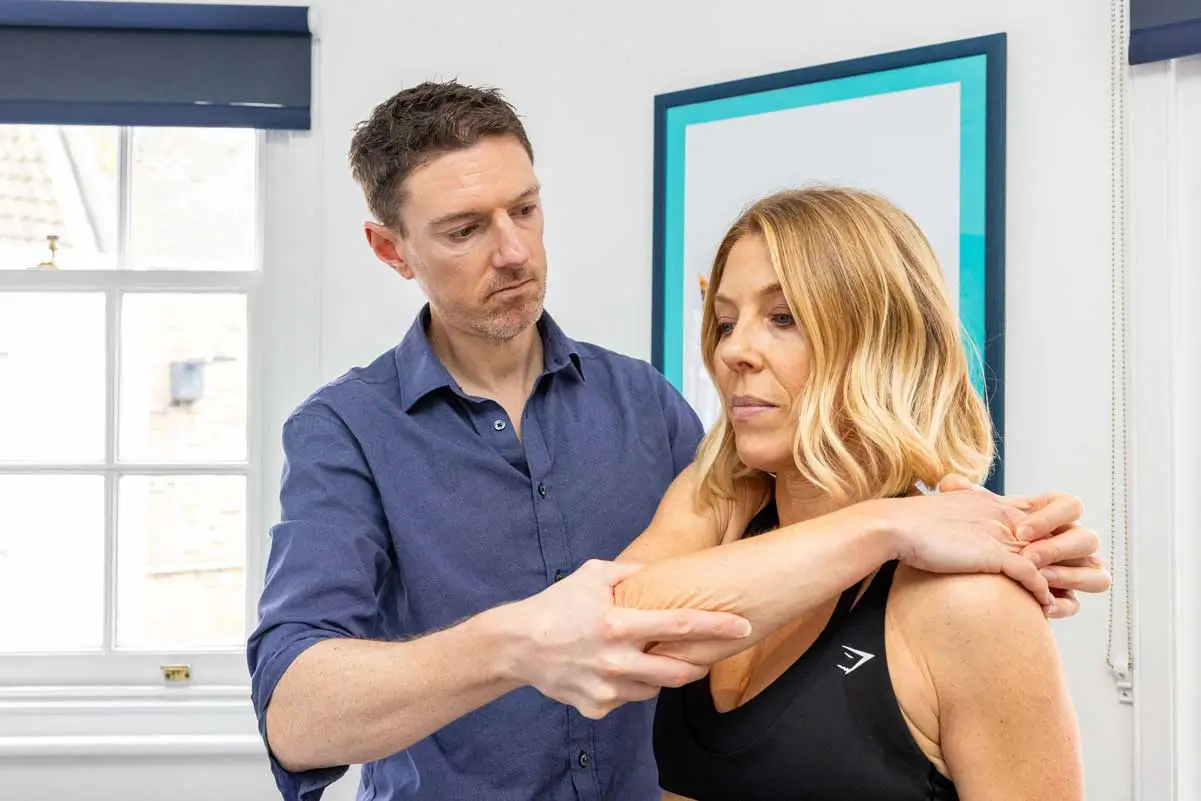
The shoulder is the most mobile joint in the human body, relying on a complex interaction of muscles, tendons, and ligaments for stability. When this delicate balance is disrupted, everyday tasks such as dressing, driving, or reaching into a cupboard can become excruciating. At Richmond Physiotherapy, we provide a logical and detailed approach to resolving upper limb dysfunction. Based at Richmond Clinic, our clinical team offers high-authority expertise in managing everything from acute sports dislocations to chronic degenerative issues, ensuring you receive the most effective shoulder pain treatment in Richmond.
Signs and Symptoms
Shoulder issues often manifest as a combination of restricted movement and sharp, catching pain. You may benefit from our specialised intervention if you experience:
- Night Pain: A deep, persistent ache that makes it impossible to sleep on the affected side.
- Painful Arc: A sharp “catch” of pain when lifting your arm out to the side between 60° and 120°.
- Significant Stiffness: Global loss of movement in all directions, often associated with Frozen Shoulder.
- Instability: A sensation that the shoulder is “loose” or might pop out of its socket.
- Weakness: Difficulty lifting even light objects or reaching behind your back.
- Radiating Pain: Discomfort that travels down the arm toward the elbow, often linked to impingement.
Evidence-Led Clinical Excellence
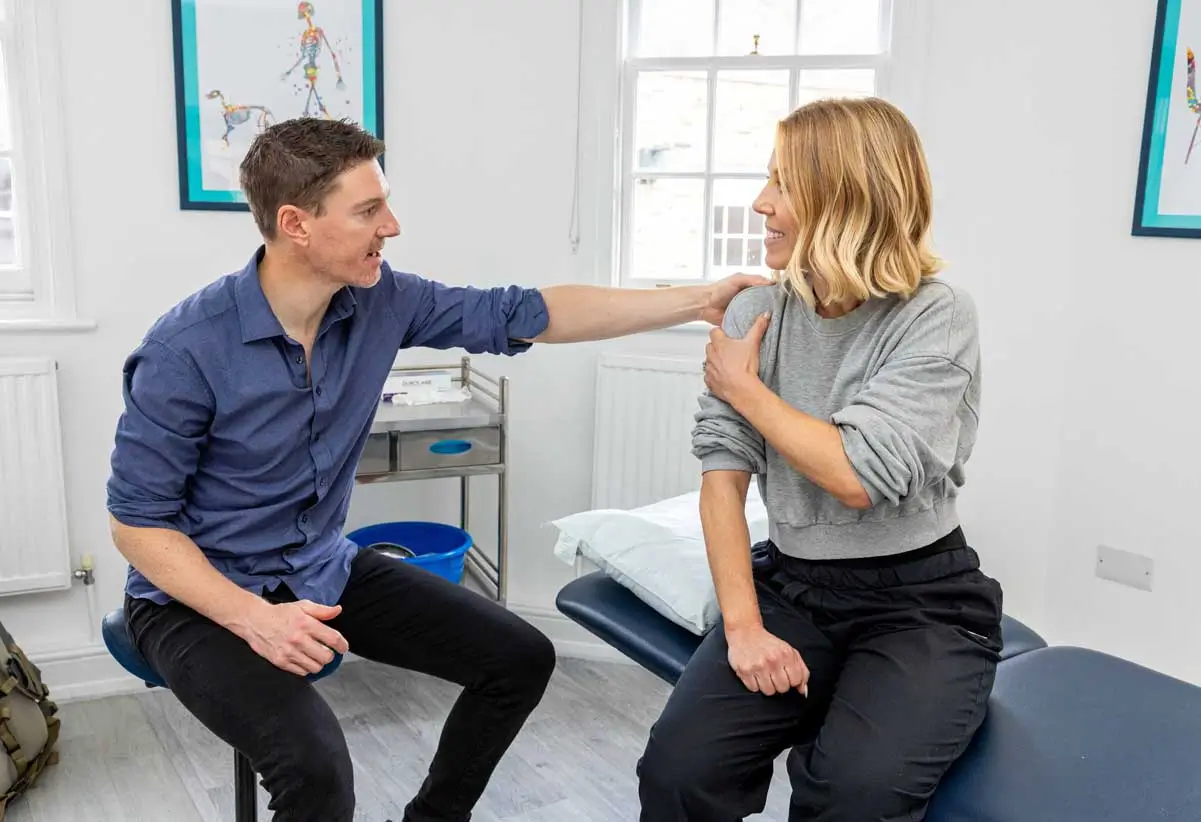
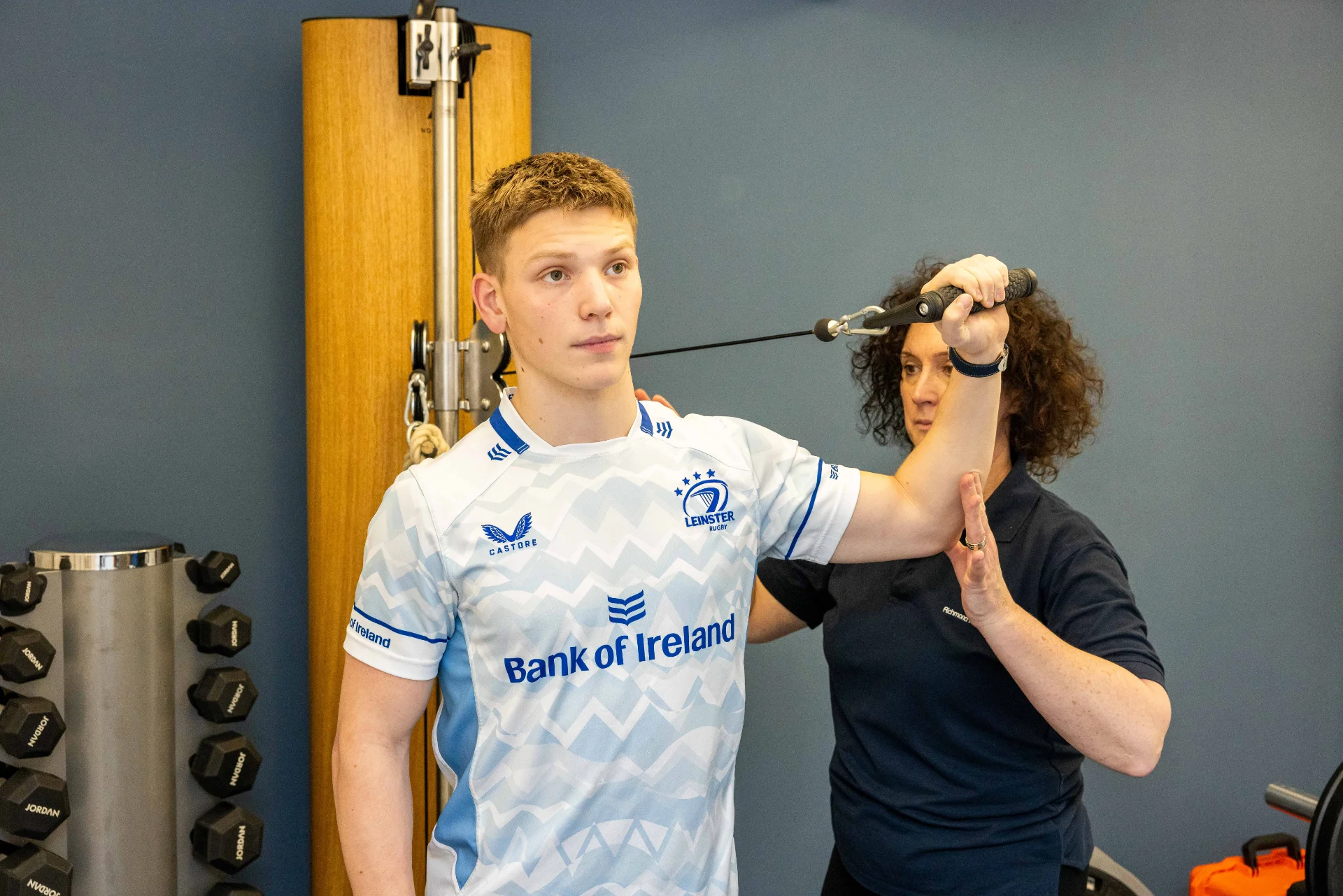
Our approach to shoulder health is strictly aligned with the latest clinical evidence and orthopaedic guidelines. We recognise that successful outcomes for conditions like rotator cuff tendinopathy or subacromial impingement require a dual approach: restoring joint mechanics through manual therapy and building resilience through progressive loading. For those with persistent inflammatory conditions, we follow high-authority protocols including the use of Shockwave Therapy or ultrasound-guided injections to facilitate a window for active rehabilitation. By following these frameworks, our clinicians at Richmond Clinic ensure your recovery is safe, effective, and evidence-led.
Who We Help
We support a broad range of individuals across Richmond and South West London seeking to restore their upper limb function:
- Racket Sport Athletes: Managing impingement and rotator cuff strain in tennis and squash players.
- Overhead Workers: Assisting tradespeople and professionals whose roles involve repetitive reaching.
- Post-Surgical Patients: Dedicated rehabilitation following rotator cuff repairs or shoulder replacements.
- Frozen Shoulder Sufferers: Providing logical pathways to reduce pain and regain lost range of motion.
- Swimmers and Gym-Goers: Addressing biomechanical imbalances to prevent recurring “swimmer’s shoulder.”
Our Richmond Clinic
Richmond Physiotherapy is located at Lawton Gate House, 7 Hill St, Richmond, TW9 1SX. Our clinic serves as a primary hub for upper limb care for residents in Twickenham, Kew, Sheen, and Teddington. Being situated just moments from Richmond Station, we are highly accessible for patients travelling from Kingston, Barnes, or Isleworth for urgent shoulder assessments. Whether you are active in the local rowing clubs on the Thames or a resident seeking specialist care near St Margarets or Brentford, our Hill Street centre is perfectly positioned to support your recovery.
Pricing & Insurance
We provide a transparent fee structure for all shoulder assessments and treatments. We are recognised by all major insurance providers, including Bupa, AXA, Aviva and Vitality. For these providers, we offer a seamless direct billing service. Private self-funding patients are also welcome, with appointments available for initial diagnostic consultations, diagnostic ultrasound, and follow-up rehabilitation. Please contact our team at 020 8332 1132 to book your session.

FAQs
How long does it take for a shoulder injury to heal?
Minor soft tissue strains may improve in 4 to 8 weeks. However, conditions like Frozen Shoulder follow a specific biological timeline and can take significantly longer, requiring a staged management plan.
Can you tell if I have torn my rotator cuff?
Yes. Through specific clinical testing and, if required, an on-site diagnostic ultrasound scan, we can identify the extent of a rotator cuff tear and advise whether physiotherapy or a surgical referral is the best course of action.
Is it normal for my shoulder to click?
Clicking without pain is common and often harmless. However, if the clicking is associated with pain or a feeling of instability, it may indicate a labral tear or impingement that requires professional assessment.
What is a Frozen Shoulder?
Also known as adhesive capsulitis, it involves the thickening and tightening of the shoulder capsule. It usually presents in three phases: freezing, frozen, and thawing. We provide specific treatments for each phase.
Can shoulder pain be caused by my neck?
Absolutely. It is common for “referred pain” from the cervical spine to be felt in the shoulder. Our assessment always includes a screening of the neck to ensure we are treating the true source of your pain.
What is Shockwave Therapy for the shoulder?
It is an evidence-led treatment used for calcific tendonitis and chronic tendinopathy. It uses high-energy sound waves to stimulate healing in the affected tendons.
Glossary of Terms
- Rotator Cuff: A group of four muscles and their tendons that provide stability to the shoulder joint.
- Impingement: When the tendons or bursa in the shoulder are compressed during arm movements.
- Glenohumeral Joint: The main “ball and socket” joint of the shoulder.
- Bursitis: Inflammation of the bursa, a small fluid-filled sac that reduces friction in the joint.