
What Are Women's Health Conditions?
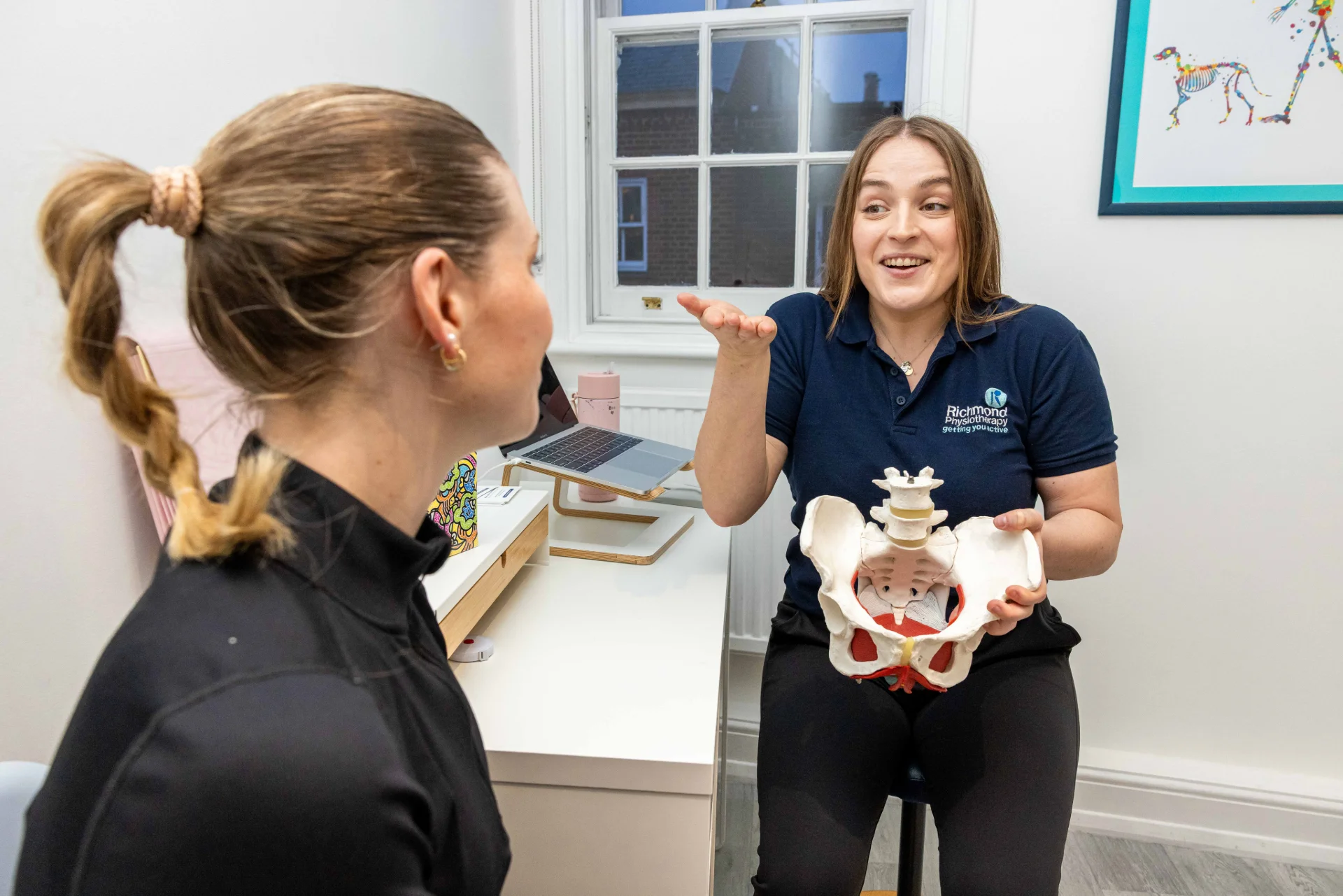
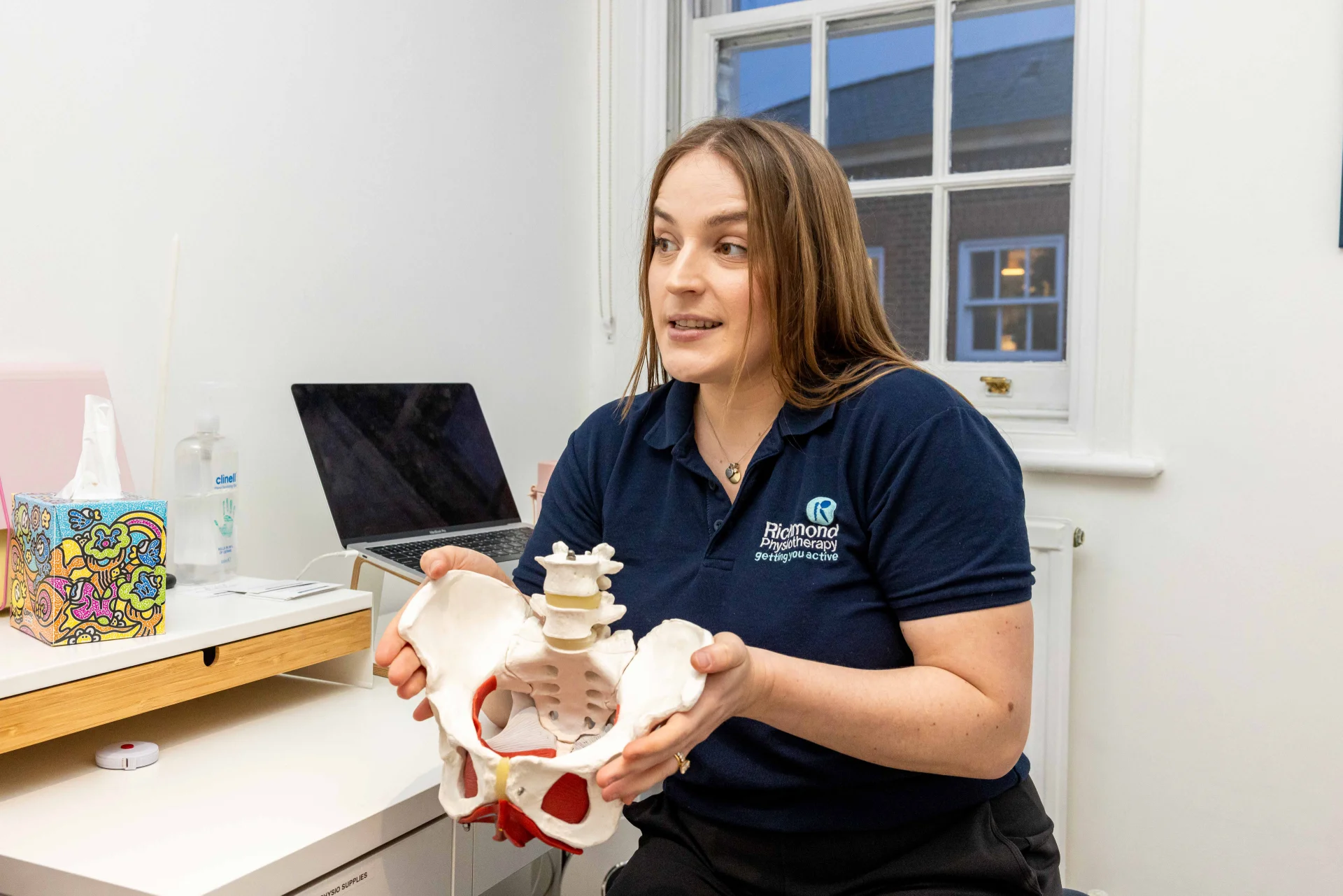
Many women experience physical challenges related to pelvic health, pregnancy, or menopause but often suffer in silence, believing these issues are an inevitable part of life. At Richmond Physiotherapy, we provide a logical and detailed clinical pathway for a vast range of Women’s Health conditions. Breanna Walker, our women’s health specialist, uses evidence-led techniques to restore function, reduce pain, and improve your quality of life. Based at Richmond Clinic, we offer a high-authority environment where your health is managed with the utmost expertise and sensitivity.
Common Conditions We Treat
Our clinical team at Richmond Clinic manages a broad spectrum of conditions affecting women throughout their lifespan:
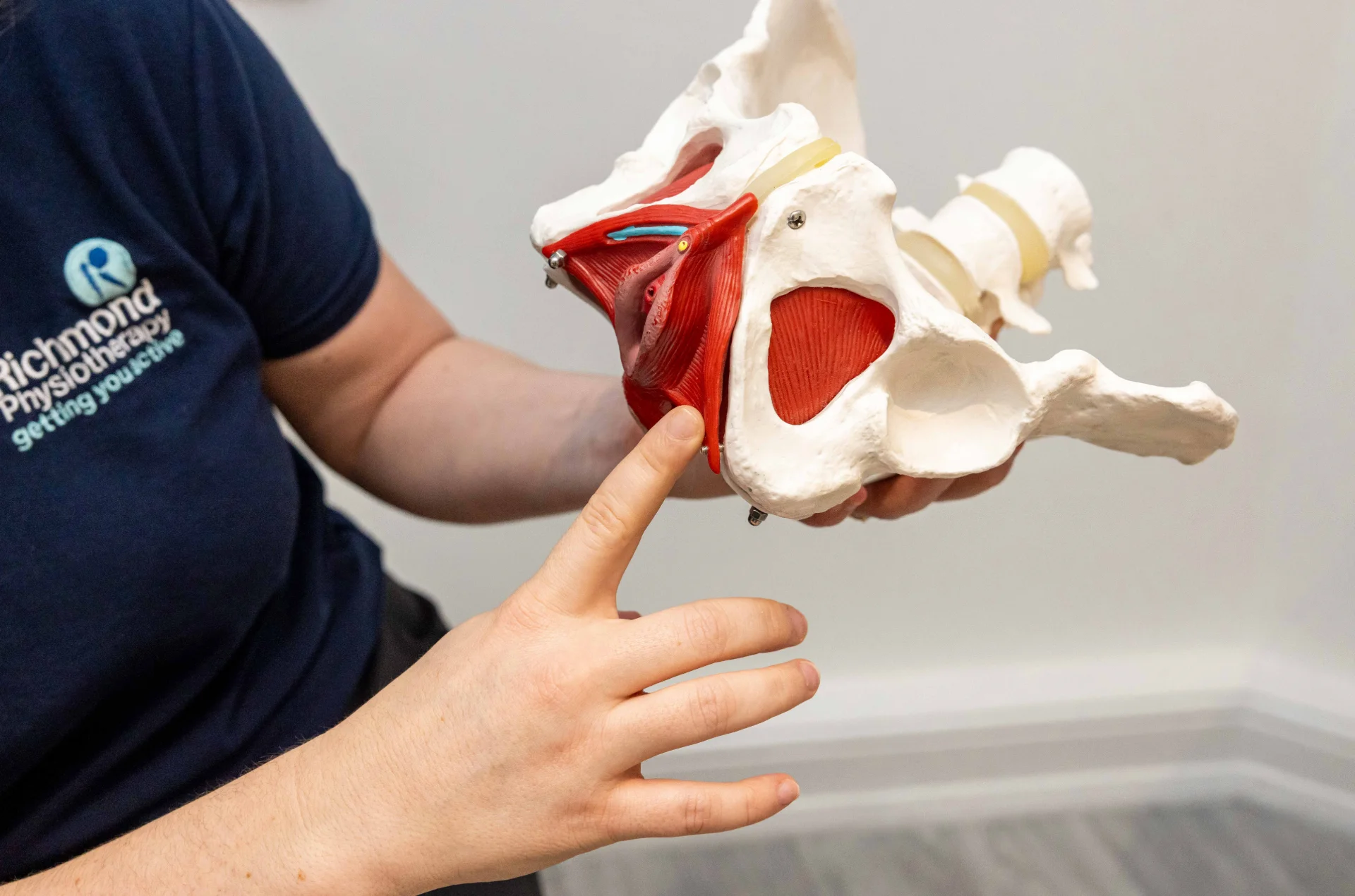
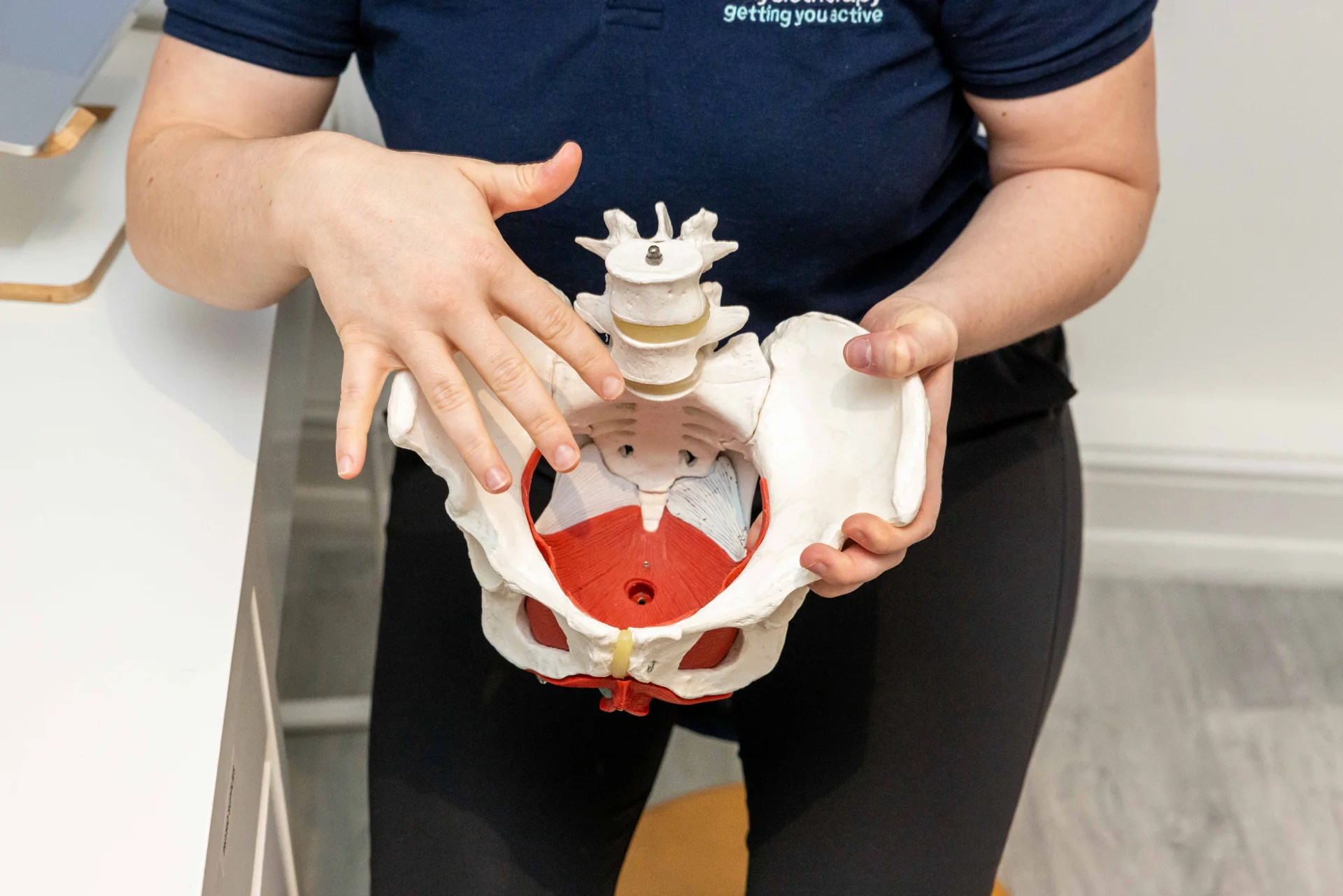
Pelvic Floor & Bladder Dysfunction
- Pelvic Floor Dysfunction: Addressing urinary incontinence, urgency, frequency, and pelvic pain through internal and external manual therapy.
- Overactive Bladder (OAB): Treating involuntary bladder contractions, nocturia, and urge incontinence.
- Stress & Urge Incontinence: Using bladder retraining, urgency suppression, and pelvic floor exercises to stop involuntary leakage.
- Urinary Retention: Identifying obstructions such as prolapse or constipation that prevent the bladder from emptying.
Pregnancy-Related Conditions
- Pelvic Girdle Pain (PrPGP): Managing pain in the hips, groin, or thighs during daily movements like climbing stairs.
- Lumbopelvic Pain: Retraining muscle function to compensate for the significant increase in pelvic joint mobility during pregnancy.
- De Quervain’s Tenosynovitis: Treating painful thumb and wrist tendon swelling exacerbated by pregnancy water weight.
- Nerve Compressions: Addressing Carpal Tunnel Syndrome, Meralgia Paraesthetica (outer thigh tingling), and Tarsal Tunnel Syndrome (ankle/foot pain).
Postpartum Recovery
- Abdominal Muscle Separation (DRAM): Preventing and rehabilitating the widening of the linea alba and abdominal “doming”.
- Perineal Tears: Providing strength programs for Grade 1-4 tears to reduce the risk of long-term incontinence.
- Lactation Support: Treating Mastitis (breast inflammation) using therapeutic ultrasound and managing breastfeeding posture.
Advanced Pelvic Health
- Pelvic Organ Prolapse (POP): Managing the descent of pelvic organs (bladder, uterus, or rectum) using pelvic floor training and medical-grade silicone pessaries.
- Sexual Pain (Dyspareunia): Using dilators, manual therapy, and education to return to pain-free intimacy.
- Pelvic Cancer Side Effects: Helping women cope with scar pain, lymphoedema, and bowel/urinary changes following cancer treatment.
Evidence-Led Rehabilitation
Our approach is strictly aligned with the latest research and clinical guidelines. For example, research indicates that the first three months postpartum are the most critical for healing abdominal separation (DRAM) as hormone levels shift. Similarly, NHS guidelines highlight pregnancy massage and specialist physiotherapy as the safest complementary therapies for managing bodily pain. By integrating advanced technology—such as TENS machines for endometriosis recovery or therapeutic ultrasound for mastitis—we ensure every patient in Richmond receives high-authority, evidence-based care.
Our Richmond Clinic
Richmond Physiotherapy is located at Lawton Gate House, 7 Hill St, Richmond, TW9 1SX. We are the primary specialist centre for Women’s Health for residents in Twickenham, Kew, Sheen, and Teddington. Our clinic is situated just moments from Richmond Station, making us highly accessible for patients travelling from Kingston or Barnes for a comprehensive 1-hour initial assessment.
Pricing & Insurance
We provide a transparent fee structure for all sports injury assessments. We are recognised by all major insurance providers, including Bupa, AXA, Aviva and Vitality. For these providers, we offer a seamless direct billing service. Private self-funding patients are also welcome, with access to our specialist Lower Limb Rehab classes and advanced diagnostic tools. Please contact our team at 020 8332 1132 to book your session.

FAQs
What is a pessary for prolapse?
A pessary is a medical-grade silicone device inserted into the vagina to support pelvic organs that have descended. Breanna Walker is specifically qualified to fit these devices to help women remain active and reduce symptoms.
How does physiotherapy help with breastfeeding?
We can provide therapeutic ultrasound to clear blocked milk ducts and reduce the inflammation associated with Mastitis. We also provide postural education to prevent neck and shoulder injuries during nursing.
What is DRAM?
DRAM stands for Diastasis Rectus Abdominis Muscle. It is the separation of the abdominal muscles during pregnancy. Our specialists help with both prevention during pregnancy and rehabilitation postpartum.
Can you help with menopause symptoms?
Yes. We treat Genitourinary Syndrome of Menopause (GSM), which includes vaginal dryness and urinary urgency, through pelvic floor training and lifestyle advice. We also provide “bone strength” programs to prevent osteoporotic fractures.
What are the signs of a pelvic floor issue?
Common signs include urinary leakage when coughing or exercising, a sudden overwhelming urge to go to the toilet, or a feeling of heaviness in the pelvic area.
Is an internal exam necessary for all conditions?
While often recommended for an accurate diagnosis of the pelvic floor, it is always performed with your consent and may not be necessary for conditions like pregnancy-related pelvic girdle pain.
Glossary of Terms
- GSM: Genitourinary Syndrome of Menopause.
- DRAM: Diastasis of the rectus abdominis muscle.
- Pessary: A silicone device used to support pelvic organ prolapse.
- Mastitis: Inflammation of the breast tissue, often during breastfeeding.
- Nocturia: Waking at night to urinate.