Lumbopelvic Pain in Pregnancy Treatment in Richmond

Lower back and pelvic pain affects a large proportion of pregnant women, and it can make everyday movement exhausting. The good news is that physiotherapy can retrain your muscles to support you through the increased mobility of pregnancy.

Our specialist helps you stay comfortable and functional, particularly through the toughest later weeks.
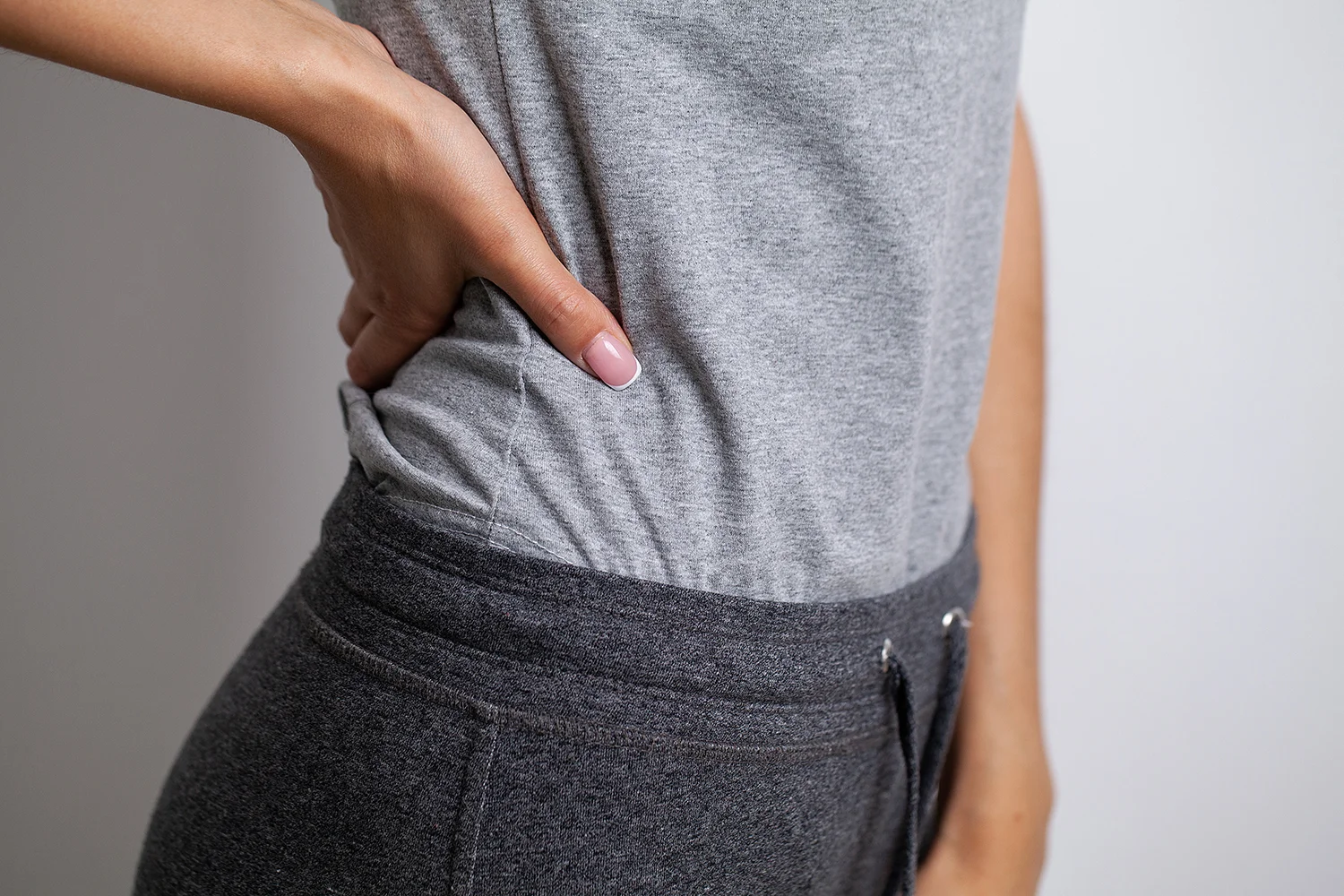
woman wearing casual clothing in a studio

What Is Lumbopelvic Pain?

Pregnancy-related lumbopelvic pain, or PrLPP, is a common complaint affecting up to 65 percent of pregnant women. It is characterised by pain across the lower back and pelvis, and is usually at its worst in the final three months of pregnancy and the first three months after birth.

Why It Happens

Research shows that pelvic joint mobility is between 32 and 66 percent greater in women with pregnancy-related lumbopelvic pain than in those without lower back or pelvic pain. In other words, the joints are moving more, and the surrounding muscles have to work much harder to keep everything stable.
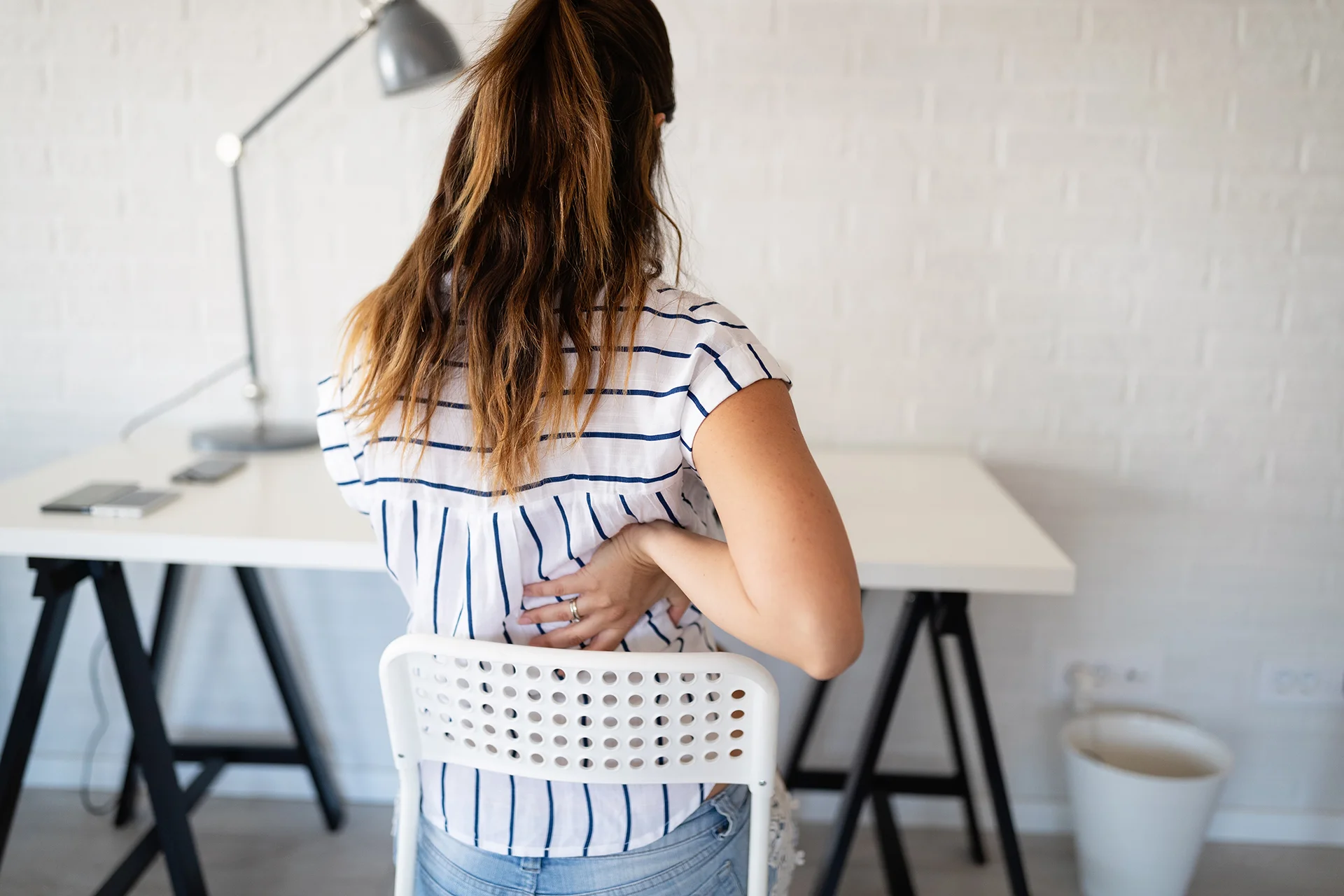
overworked woman with back pain in office with bad

How Physiotherapy Helps

A women’s health physiotherapist can retrain how your muscles function so they compensate for this reduced stability. By doing so, we offset the extra joint movement and remove much of the strain that drives the pain, helping you move through pregnancy and early recovery with far greater ease.

Where to Find Us

We support pregnant women throughout Richmond and nearby with back and pelvic pain. We are based at Lawton Gate House, 7 Hill Street, Richmond, TW9 1SX, a short walk from Richmond Station and easily reached from Twickenham, Kew, Sheen, Teddington, Kingston and Barnes.

Meet Our Women's Health Physiotherapist

Breanna Walker is our Chartered Physiotherapist and Women’s Health Specialist, with extensive experience treating lumbar spine and pelvic disorders.

She combines her Australian Physiotherapy Association Women’s Pelvic Health training with broad musculoskeletal expertise to retrain the muscles that support the lower back and pelvis during pregnancy.

Breanna is also an APPI Pilates instructor and has used reformer and matwork Pilates to get patients moving comfortably again for the past eight years. She is registered with the HCPC under PH154328.
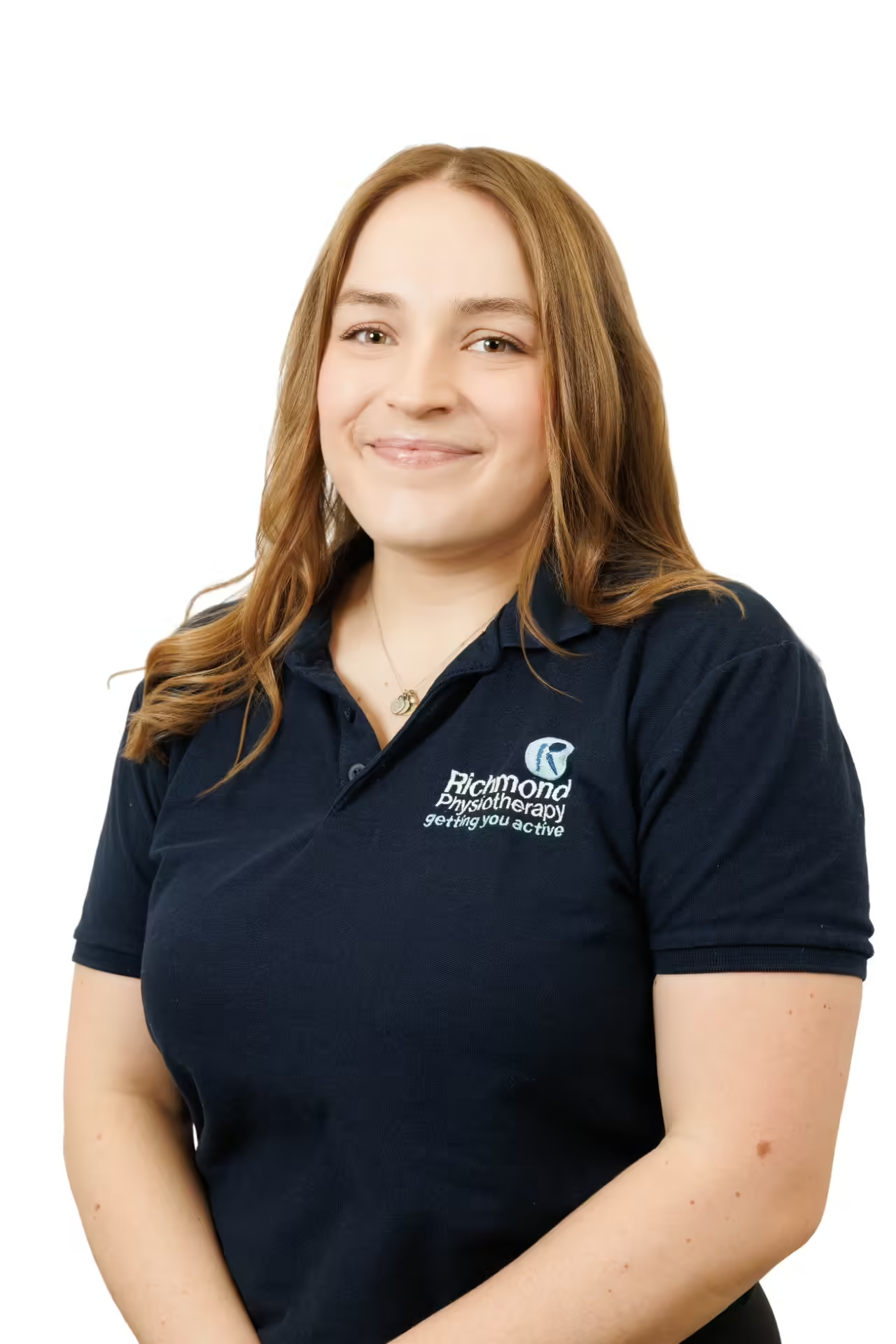
Richmond Portraits 2

Frequently Asked Questions

They overlap and can occur together. Lumbopelvic pain spans the lower back and pelvis, while pelvic girdle pain is felt more specifically in the hips, groin and thighs. We assess and treat both.
Joint mobility and load on your body are greatest in the last trimester, so the muscles have the hardest job then. Targeted retraining helps them cope.
Pain often persists into the early postpartum months, so we plan your rehabilitation to carry through that period and restore your stability.