What is Shockwave Therapy
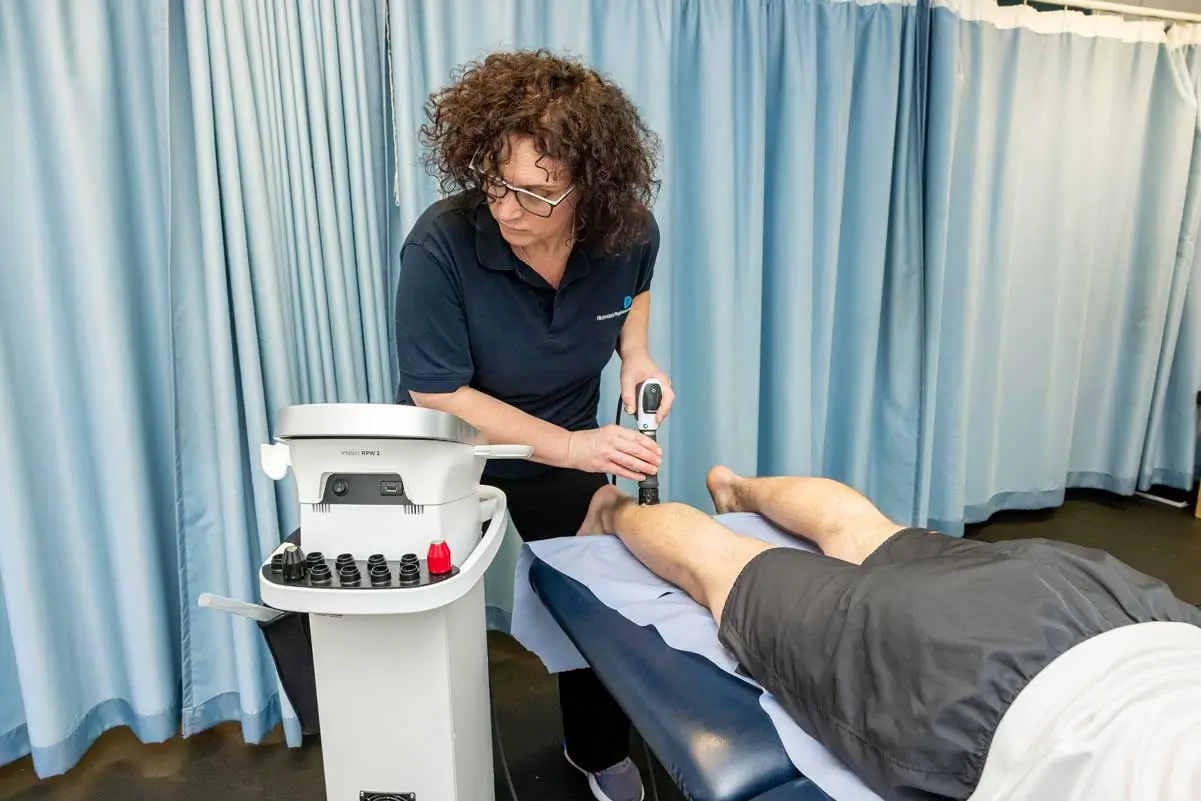
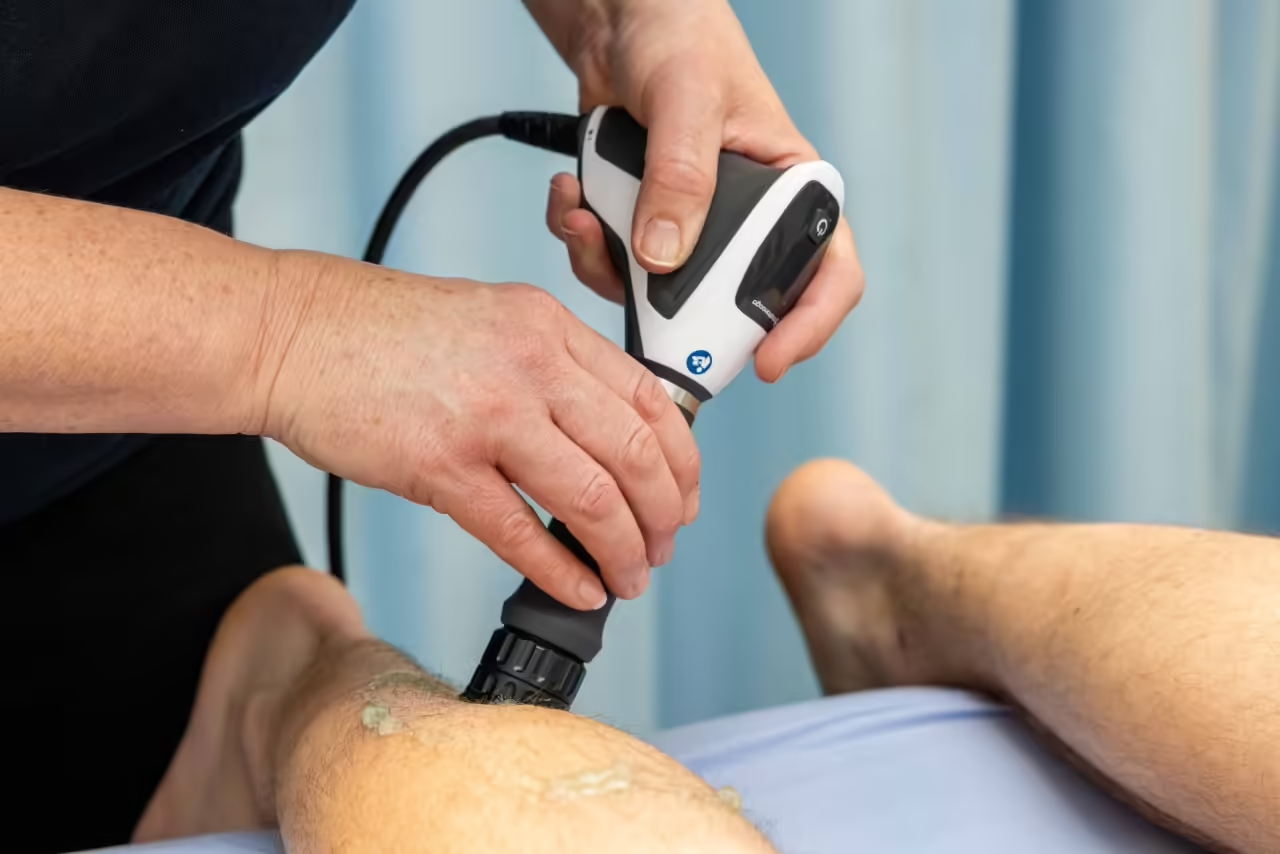
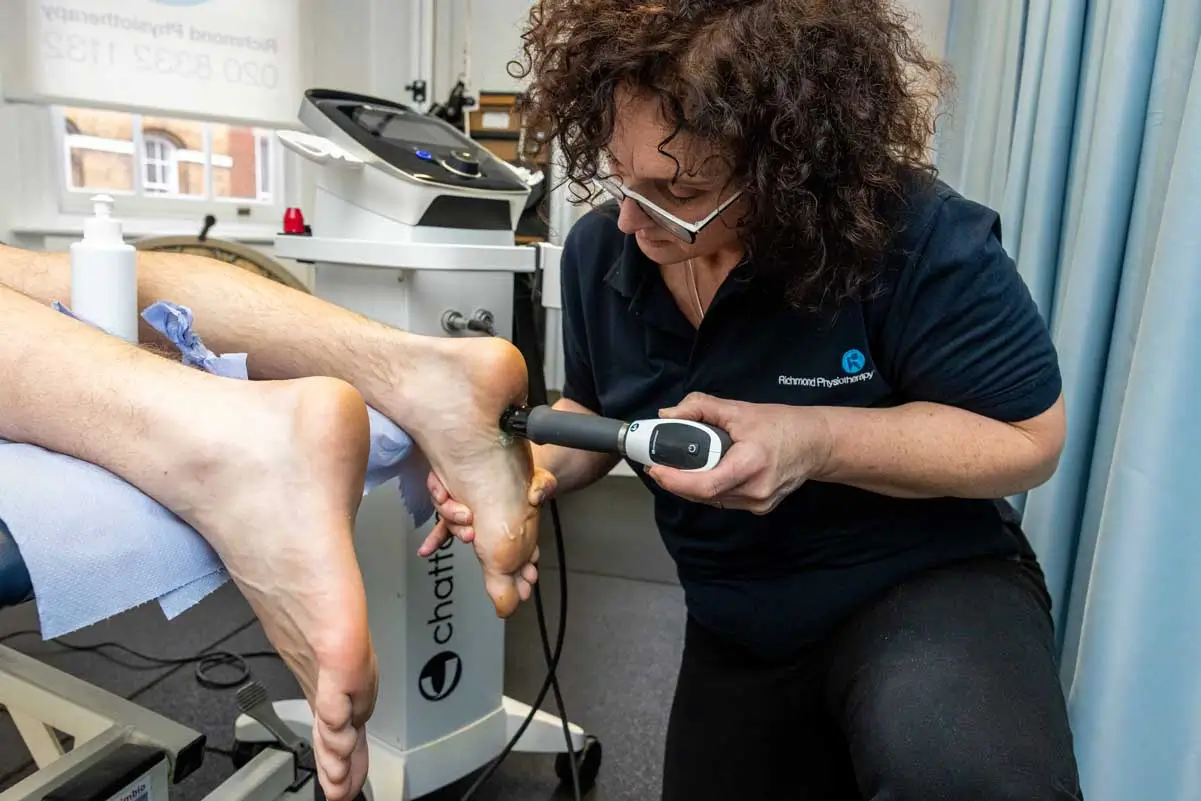
Shockwave therapy is a sophisticated, non-invasive treatment where high-energy acoustic waves are passed through the skin to relieve pain and stimulate a healing phase in injured tissue. This technology is particularly effective for chronic conditions that have failed to respond to traditional conservative management. At Richmond Physiotherapy, we provide a logical and detailed approach to Extracorporeal Shockwave Therapy (ESWT), ensuring it is integrated into a wider rehabilitation plan. Based at Lawton Gate House, our clinicians use this advanced modality to restart the body’s natural repair process in tissues that have become stuck in a cycle of chronic inflammation or degeneration.
Specialist Shockwave Integration vs Standalone Treatment
Feature
Generic Standalone Shockwave
Richmond Physiotherapy Integrated Care
Initial Assessment
Symptom-focused only
Comprehensive MSK clinical examination
Treatment Logic
Machine-led application
Combined with progressive loading programmes
Clinical Synergy
Used in isolation
Often follows manual therapy for optimal results
Evidence Standards
Variable protocols
Strictly aligned with NICE clinical guidelines
Practitioner
Variable training
Delivered by HCPC registered physios
When to Consider Specialist Shockwave Therapy
Shockwave therapy is typically indicated for recalcitrant tendon issues that have persisted for several months. You may benefit from our specialised shockwave therapy in Richmond if you experience:
Morning Heel Pain
Sharp, stabbing sensations during your first steps, common in plantar fasciitis.
Tendon Thickening
Visible or palpable swelling in the Achilles or patellar tendons.
Point Tenderness
Acute pain when pressing on the “bony” parts of the elbow or hip.
Loading Discomfort
Pain that worsens during or after running, jumping, or gripping activities.
Night Aching
Persistent, dull discomfort in the shoulder that interferes with sleep.
Failed Conservative Care
Conditions that have not improved with rest, stretching, or standard exercises.
Evidence-Led Clinical Guidelines
Our shockwave protocols are strictly aligned with the standards set by the National Institute for Health and Care Excellence (NICE). NICE has issued specific guidelines for the effectiveness of shockwave in treating four key conditions: Achilles Tendinopathy, Calcific Tendonitis of the Shoulder, Plantar Fasciitis, and Tennis Elbow. At Richmond Physiotherapy, we recognise that while the acoustic waves provide a mechanical stimulus for healing, long-term success requires a combined approach. We integrate shockwave sessions with bespoke loading programmes to ensure the newly stimulated tissue is conditioned for the demands of your daily life or sport.
Who We Help
Active Runners
Court Sport Players
Occupational Workers
Athletes with Jumper’s Knee
Chronic Pain Sufferers
Our Richmond Clinic
Richmond Physiotherapy is located at Lawton Gate House, 7 Hill St, Richmond, TW9 1SX. We are a central destination for shockwave therapy for residents in Twickenham, Kew, Sheen, and Putney. Our clinic is situated just moments from Richmond Station, making us highly accessible for those travelling from Kingston, Barnes, or Isleworth. Whether you are looking for recovery support after a run in Richmond Park or seeking specialist care near St Margarets or Brentford, our Hill Street facility provides the advanced technology required for your recovery.
Pricing & Insurance
- Individual Treatment Sessions: £110.
- Block of 3 Treatment Sessions: £300. To achieve the best clinical outcomes, sessions must be given in succession with a maximum of 10 days between each—optimally once a week. Some insurance companies, including Bupa, AXA, Vitality and Aviva, may cover shockwave therapy; we recommend checking with your provider for specific authorisation. Self-funding patients are welcome and can book directly following an initial physiotherapy assessment.
FAQs
What does shockwave therapy feel like?
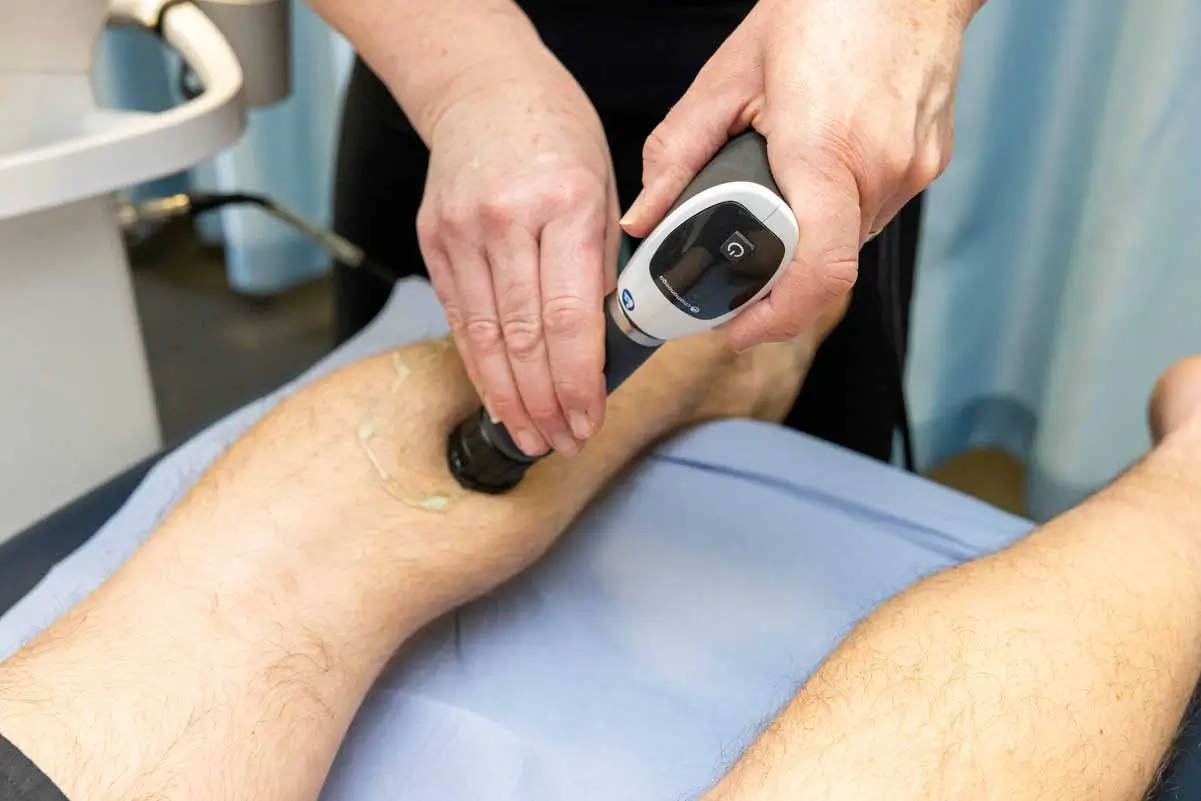
During treatment, you will hear a “ticking” sound as the waves are produced. Most patients report some discomfort, but the waves cause a temporary anaesthetic effect within the first few seconds, allowing us to reach therapeutically beneficial levels comfortably.
How many sessions will I need?
The number of sessions depends on the severity of the condition, though there should be a noticeable difference in pain levels after three treatments. Most clinical protocols recommend a course of three to five sessions.
Is it safe?
Yes, NICE states that shockwave therapy is safe. Minor side effects can include temporary reddening of the skin or slight bruising in the area being treated, which typically resolves quickly.
Can I exercise after a shockwave session?
Because of the temporary anaesthetic effect, you may feel better immediately. However, it is vital not to over-exercise the treated area for 48 hours to allow the healing phase to progress undisturbed.
How long does a session take?
The shockwave application itself is very quick, usually taking between 10 and 15 minutes, making it an efficient addition to your physiotherapy appointment.
Do I need a scan before having shockwave?
Not always. A clinical assessment by one of our physiotherapists can usually determine if shockwave is appropriate. However, if calcific tendonitis is suspected, a prior scan can be helpful.
Glossary of Terms
- ESWT: Extracorporeal Shockwave Therapy; medical treatment using acoustic waves.
- Tendinopathy: A broad term describing tendon pain and dysfunction.
- Plantar Fasciitis: Inflammation of the thick band of tissue that runs across the bottom of the foot.
- Progressive Loading: A rehabilitation method involving the gradual increase of weight or stress on a tendon.